
Can You Have CO2 Laser for Acne Scars in Summer?
A Brisbane dermatologist on why you don't need to wait for winter
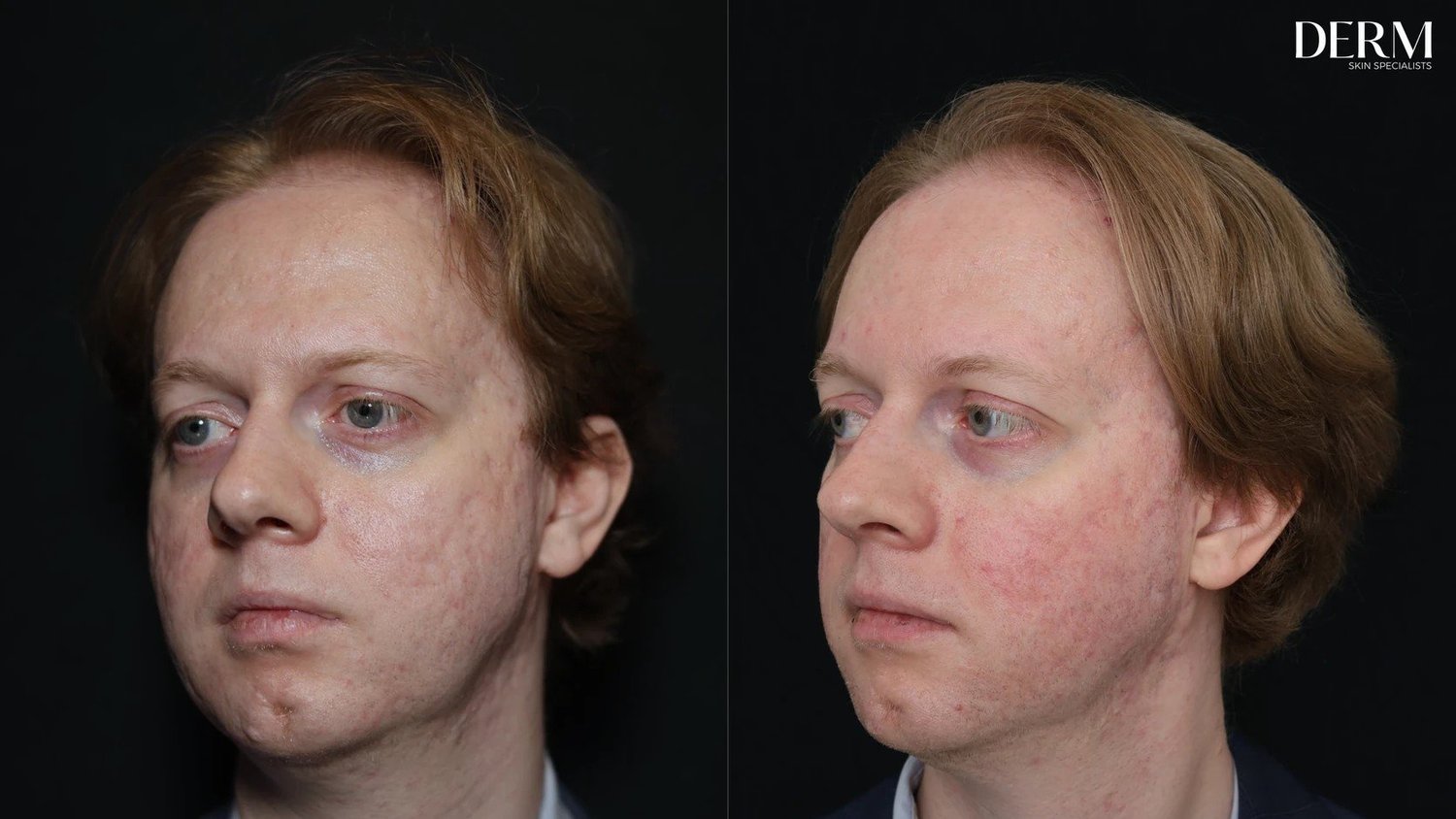
If you've looked into CO2 laser for acne scars, you've probably been told to wait until winter. Plenty of clinics call autumn and winter "laser season", and it's one of the most common things we hear: "I'll come back in June."
For most people, that wait isn't necessary. I perform CO2 laser all year round, including through a Brisbane summer.
Where the "winter only" idea comes from
After CO2 laser, healing skin is more sensitive to UV for several weeks. Sun on fresh skin raises the risk of pigment changes, so the traditional advice was to treat only when the sun is weaker.
But this is Queensland. The UV index is high for most of the year, so winter sun is no free pass. What protects your skin isn't the month on the calendar. It's what you do during recovery.
Why summer treatment works
In the first week after CO2, you're staying home regardless. Your skin is red, swollen and peeling, and most people don't want to go out anyway. Whether it's July or January, you're indoors recovering.
Once you've healed, sun protection is what matters: SPF 50+, a broad-brimmed hat and staying out of the midday sun. Brisbane people already know the drill.
Waiting six months for no real benefit just means six more months living with scars you want treated.
What recovery looks like
Days 1–3: redness, swelling and a sunburn-like feeling. The skin weeps slightly, then starts to crust.
Days 4–7: peeling and flaking as new skin comes through. Most people stay home this week.
Weeks 2–6: pinkness fades gradually, and makeup can usually go back on after the first week. Strict sun protection matters most in this window.
Months 1–6: collagen keeps remodelling, so results keep improving well after the skin looks healed.
You'll go home with a full aftercare plan, and we'll see you for review.
Who needs more care
CO2 isn't right for everyone, in any season. We take extra care, or may recommend a different treatment, if you:
have olive, brown or darker skin, where pigment changes are more likely
get cold sores (we'll usually prescribe preventive medication)
have active acne, or have recently taken isotretinoin
can't commit to staying in and protecting your skin while it heals
Risks include prolonged redness, pigment changes, infection and, rarely, scarring. We'll go through these with you at your consultation.
Other options for acne scars
CO2 is one tool among several. Depending on your scars and skin, we might recommend:
Subcision to release the bands that pull rolling scars down
TCA CROSS for deep, narrow icepick scars
RF microneedling to tighten and remodel with less downtime
Pico laser for lower-downtime resurfacing that suits more skin types
Most people get the best result from a combination, planned around their scar types.
Frequently asked questions
Is sunscreen enough after CO2 laser in summer?
For the first week, you'll be staying indoors while the skin heals. After that, SPF 50+ reapplied through the day, a broad-brimmed hat and avoiding midday sun are what protect your result. We'll tell you exactly when it's safe to head back out.
How long do I need to stay out of the sun after CO2 laser?
Stay inside for the first week while your skin peels and heals. Strict sun protection matters most for the following four to six weeks.
Can I go to the beach after CO2 laser?
Not until your skin has fully healed and we've given you the all-clear, and even then with full sun protection.
How much downtime is there?
Plan on about a week at home. Pinkness can linger for a few weeks after that, but most people are back at work after the first week.
Is summer CO2 safe for darker skin?
Darker skin carries a higher risk of pigment changes after any resurfacing, in any season. We'll assess your skin type and may adjust the treatment, prepare your skin beforehand or recommend a different option.
How many CO2 sessions will I need?
It depends on your scars. Some people need one session, others a short series, often combined with other treatments. We'll give you a plan at your assessment.
Book an acne scar assessment with Dr Mitch Robinson
Learn more: CO2 laser for acne scars · Types of acne scars · All acne scar treatments