
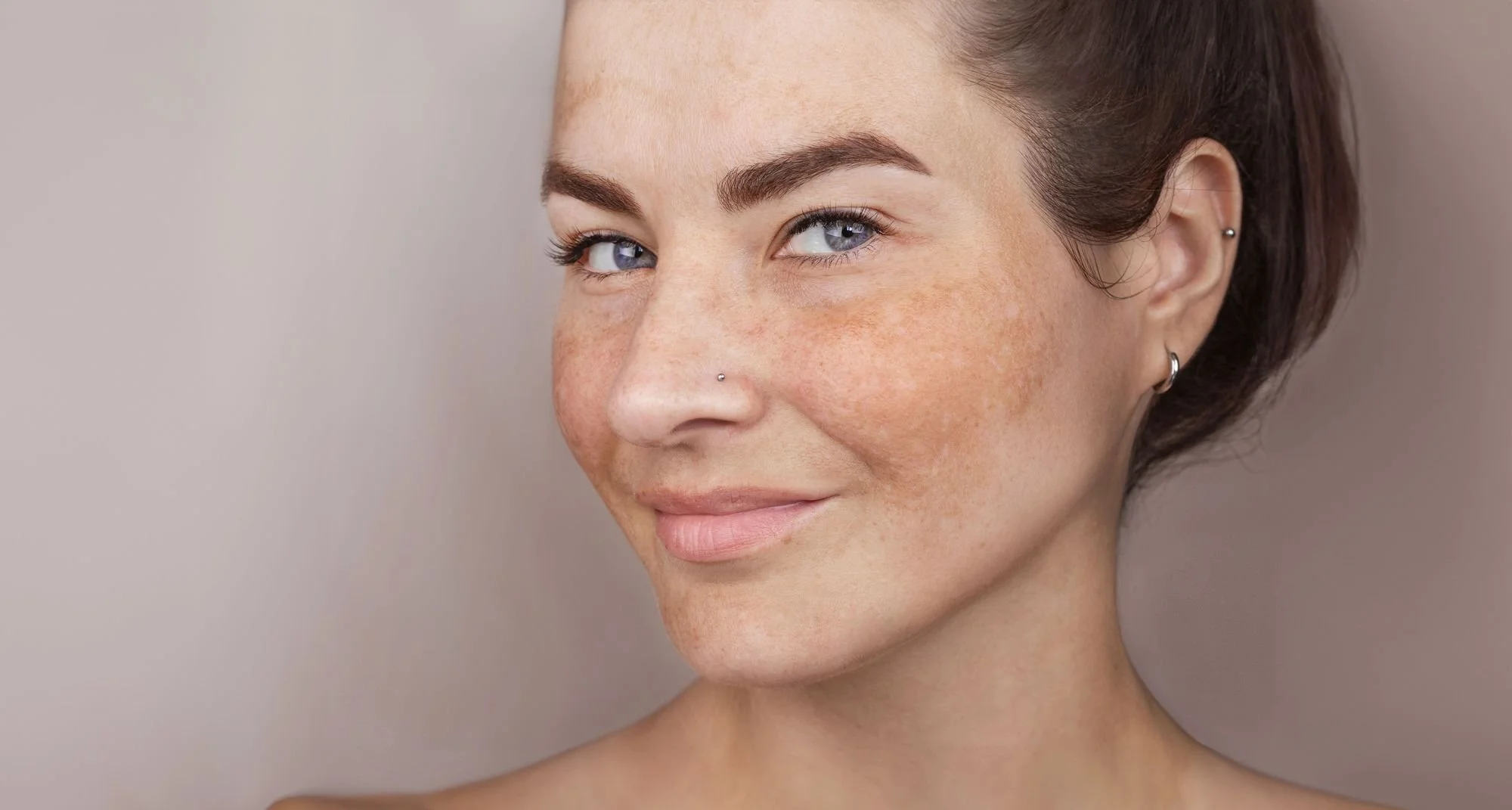
Pigment & Melasma Treatments at
Derm Skin Specialists Brisbane
At a glance

Treatment
PicoSure Pro for deeper or higher-risk pigment. LaseMD for more superficial pigment in suitable skin types

Downtime
PicoSure Pro usually 24-48 hours LaseMD usually 4-5 days

Costs
7 - 14 dayPicoSure Pro from $548 per session. Lase MD from $990 per sessions

Approach
Diagnose first, then treat conservatively for long-term stability

Concern
Melasma and pigmentation

Course
PicoSure Pro often 3-6 sessions, around 4 weeks apart. LaseMD often 2-3 sessions, around 6 weeks apart
Dr Mitch’s Take
Pigmentation isn’t one diagnosis. It’s a group of different problems that can look similar on the surface but behave very differently once you start intervening.
Where things usually go wrong is misdiagnosis. When pigment is misclassified, treatments end up mismatched to the condition, the skin type, or the depth of pigment, and outcomes suffer. I’ve been referred patients for management of “pigment” that has ultimately turned out to be melanoma, which is why I don’t treat pigmentation blindly.
Skin phototype matters just as much as the pigment itself. An approach that works well in one skin type can be completely inappropriate in another. A large part of my training and ongoing work has involved managing pigmentation in Asian and mixed skin types, including time spent working with and learning from centres in South Korea, Vietnam, Singapore, and Thailand, where pigment is managed cautiously and with a strong emphasis on long-term stability.
In my practice, I’ll often use PicoSure Pro or LaseMD, but only when they’re appropriate. I tend to use Pico more for deeper or more complex pigment, particularly in Asian or higher-risk skin types. LaseMD is something I reserve for more superficial pigment in lighter skin types, where I’m confident the skin will tolerate fractional treatment without destabilising pigment.
These devices are tools, not solutions on their own. I use them as part of a broader plan that also includes topical management and strict light protection.
The aim isn’t to chase pigment aggressively. It’s to get the skin into remission, then keep it there with a plan that’s realistic and sustainable over time.
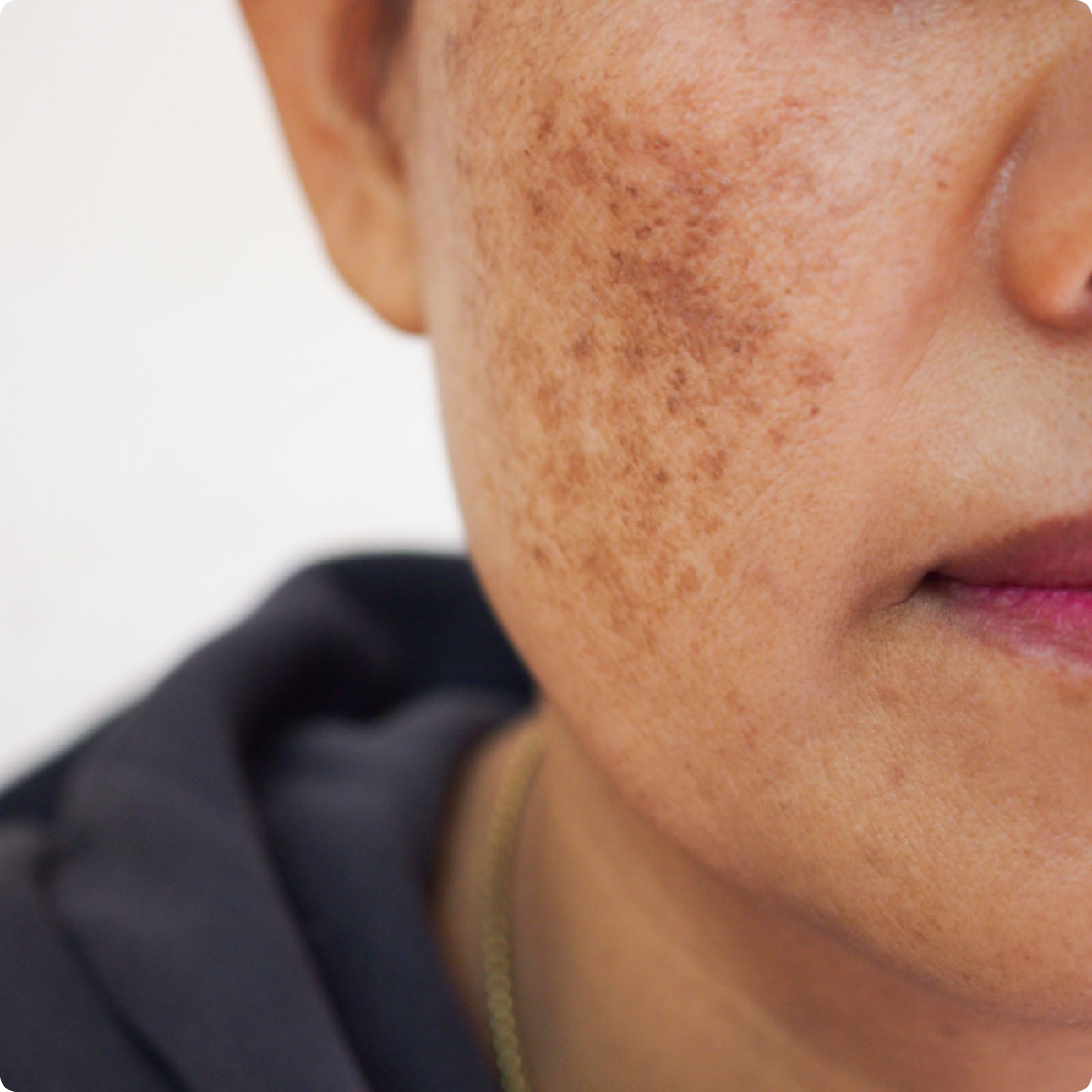
Understanding Pigmentation
Pigmentation simply refers to increased colour in the skin, but the reason it appears, and how it behaves, can vary widely.
In practice, this can include melasma, sun spots, solar dyschromia, post-inflammatory pigmentation, and genetically determined pigment such as Hori’s naevus or naevus of Ota.
Some pigment sits higher in the skin and behaves fairly predictably. Other pigment sits deeper, or is genetically determined, and that’s where things become less forgiving. This is often the point where over-treatment causes more trouble than benefit.
Skin phototype also plays a major role. The same intervention can be well tolerated in one patient and problematic in another, which is why pigment needs to be assessed in context rather than treated based on appearance alone.
Pigmentation is also influenced by ongoing triggers. Light exposure, including visible light, inflammation, hormonal factors, and disruption of the skin barrier all contribute to persistence and relapse. Managing pigment properly means understanding what you’re dealing with, where it sits, and what continues to drive it.
What the journey looks like at
Derm Skin Specialists
01
Expert Assessment & Planning
An initial consultation with a dermatologist to confirm the diagnosis, assess skin type, and determine the type and depth of pigmentation. This is followed by ongoing review to assess treatment response and refine the plan as needed.

02
Skin Preparation & Protection
A dedicated preparation phase focusing on appropriate topical strategies, strict sun and visible light protection, and measures to reduce skin reactivity, helping to optimise results and minimise complications.
03
Targeted Treatment & Long-Term Maintenance
Carefully selected laser or light-based treatments when appropriate, using different devices based on pigmentation depth and type. Treatments are delivered gradually, typically four to six sessions spaced about four weeks apart. This is combined with long-term maintenance planning to keep pigmentation in remission and reduce the risk of relapse.
Treatment Pathways
Management follows a clear, stepwise approach, based on the type of pigmentation and the patient’s skin phototype.
-
Controlling light exposure is critical for all forms of pigmentation. We start with practical sun protection and visible light protection. Without this step, other interventions tend to underperform and relapse is common.
-
Once light exposure is controlled, we introduce topical strategies to reduce pigment production and improve skin stability. This may include:
Combination prescription formulations, such as Kligman-type preparations
Tranexamic acid–based topicals
Vitamin C and antioxidant support
In selected cases, oral tranexamic acid may be considered, which is why medical assessment and supervision matters.
-
If procedural treatment is indicated, laser options are selected based on pigment depth, skin type, and reactivity. This may include:
Pico laser
LaseMD
Devices are chosen to match the pigment being treated, and treatments are introduced gradually rather than aggressively.
Laser options
for pigment
-
Pico laser, PicoSure Pro
At Derm Skin Specialists, deeper or more complex pigmentation is most commonly managed using the PicoSure Pro picosecond laser.
This laser delivers very short pulses of energy that break pigment into fine fragments with minimal heat spread. This makes it particularly useful in pigment patterns where excess thermal injury increases the risk of rebound or post-inflammatory pigmentation.
PicoSure Pro is most often used for deeper or stubborn pigment, melasma, and mixed pigment patterns, particularly in medium-to-darker skin phototypes, including many Asian skin types.
With PicoSure Pro, downtime is typically minimal, usually some redness and mild swelling that settles within a day or so. In rare cases, post-inflammatory hyperpigmentation can occur, which is why treatment settings are selected cautiously. Most side effects are mild and temporary.
Treatment is delivered as a planned course rather than a single session. Most patients require between three and six sessions, spaced several weeks apart, depending on pigment behaviour and skin response.
-
It is most commonly used in lighter skin phototypes, particularly for sun-related pigment patterns such as solar dyschromia, where controlled fractional resurfacing is appropriate. LaseMD is only used when I’m confident the skin will tolerate fractional treatment without destabilising pigment.
LaseMD is a semi-ablative fractional laser used selectively when pigment is more superficial and the risk of post-inflammatory hyperpigmentation is low.
Treatment is usually delivered over one to three sessions, spaced according to skin response.
-
LaseMD
From $990 per sessionPico Laser
3 Sessions from $1790
6 Sessions from $3290
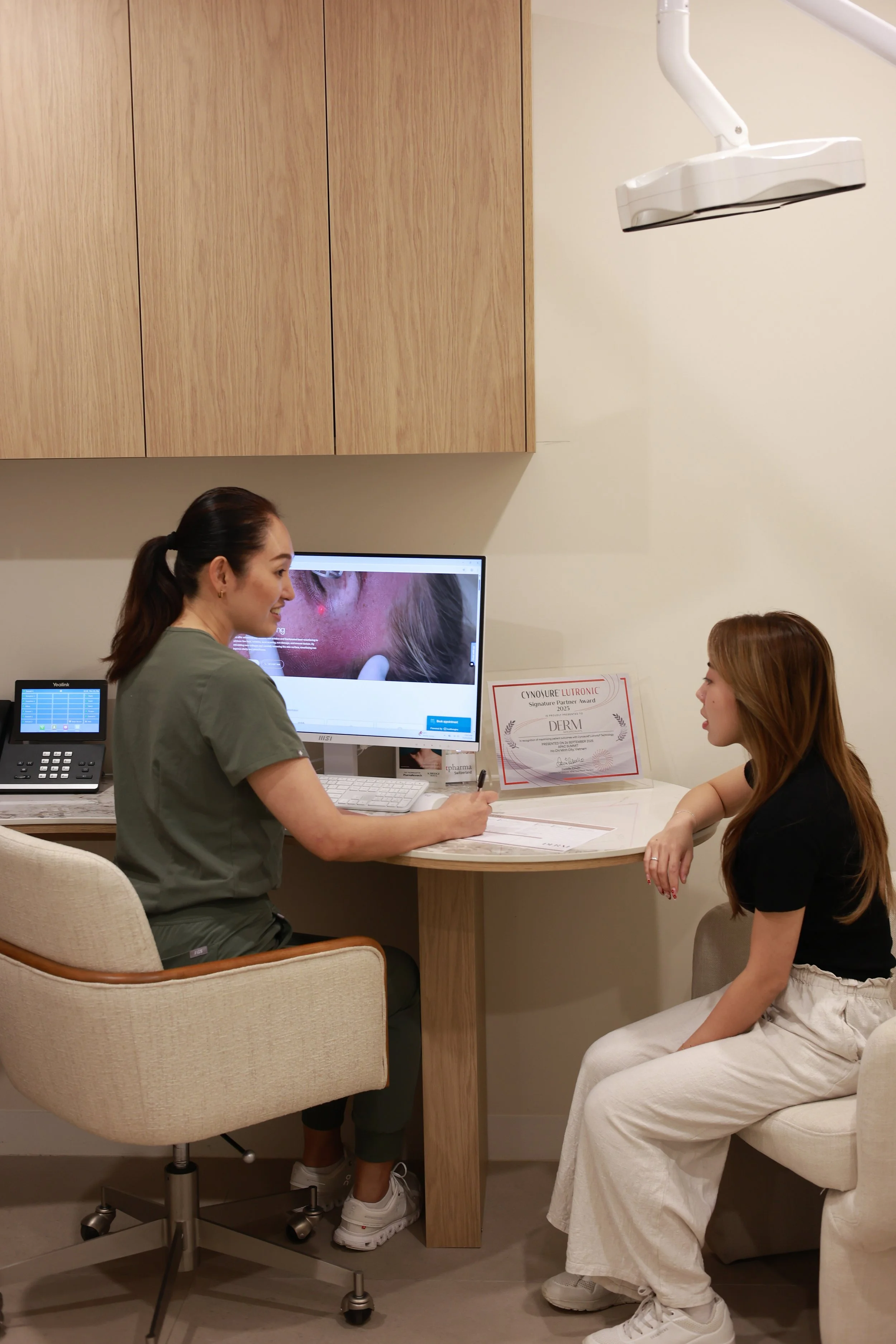
Not sure where to start?
The best starting point is a dermatology consultation. That’s where we confirm the acne pattern, scarring risk, and the most appropriate pathway.
If your main goal is treatment planning and understanding device, a complimentary nurse-led consult can help you get oriented, and we'll tell you if a dermatologist assessment is necessary to move forward and explain the next steps.