
LaseMD Laser Brisbane | Derm Skin Specialists
LaseMD Laser Brisbane
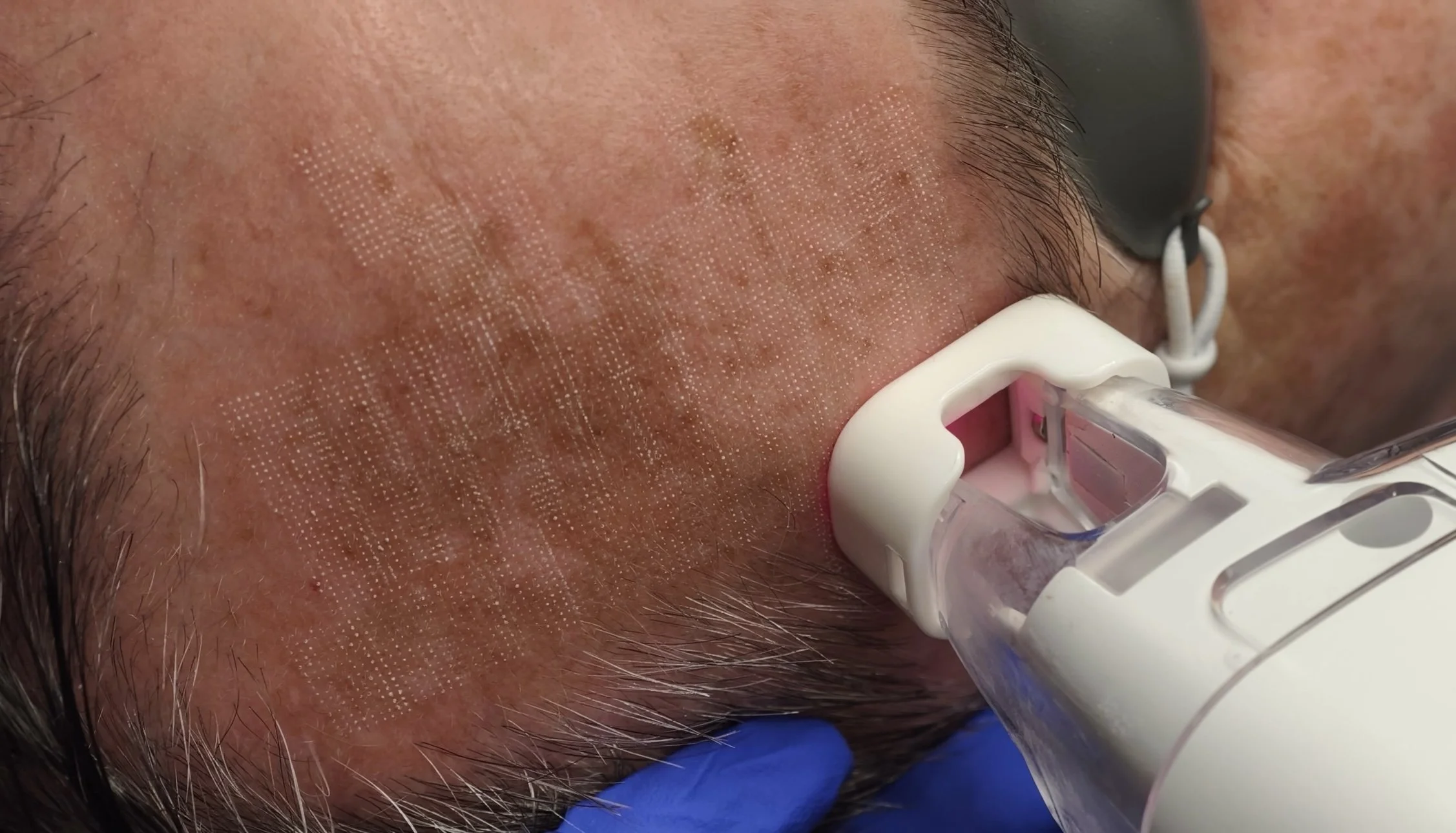
LaseMD is a non-ablative fractional laser used at Derm Skin Specialists to help improve skin tone, texture and pigmentation, with minimal downtime. Treatment is assessed and delivered under the guidance of our specialist dermatology team, with settings tailored to your skin type and concern.
Complimentary cosmetic consultations are available with our nurses

Downtime
2–4 days (LaseMD Ultra)
Costs
Nurse-led: Pricing here
Dr Mitch: Price on assessment


Treatment
LaseMD Ultra

number of sessions
2–6 sessions, spaced roughly
3–6 weeks apart
Before & After’s
Medical disclaimer
This page is general information only and not medical advice. All treatments and procedures carry risks and potential complications. Suitability, expected outcomes, recovery, and costs vary between individuals and are confirmed after clinical assessment. No specific result can be guaranteed.
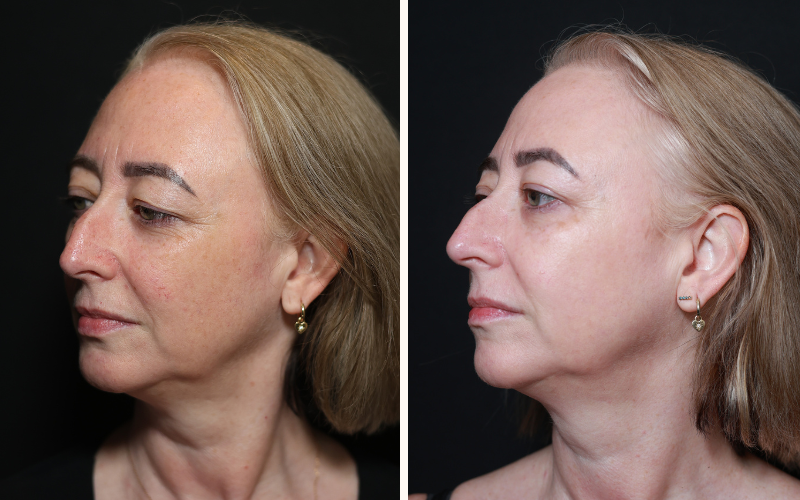
Lase MD x1 | Derma V x 1 | Results within 8 weeks
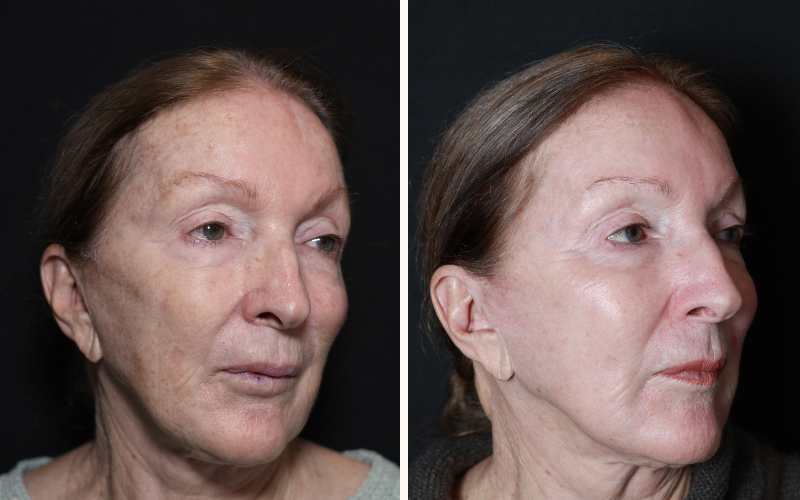
Lase MD | 2 Sessions | 6 Weeks Apart
What LaseMD May Help With
Following assessment, LaseMD may be recommended for concerns including:
Pigmentation and sun spots
Melasma (as part of a broader management plan)
Uneven skin tone and dullness
Fine lines and early textural changes
Enlarged pores
Post-inflammatory redness or marks left by acne
LaseMD is one part of our laser suite, alongside CO2 resurfacing, PicoSure Pro and DermaV. Your dermatologist will recommend the most clinically appropriate option, or combination, for your presentation.
No referral required
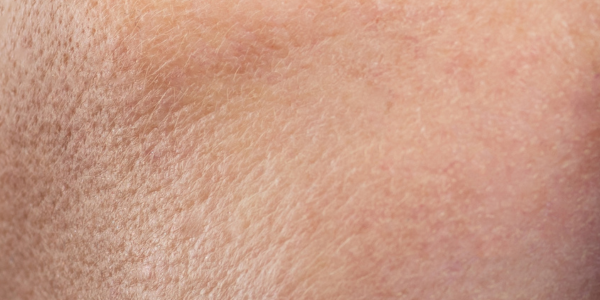
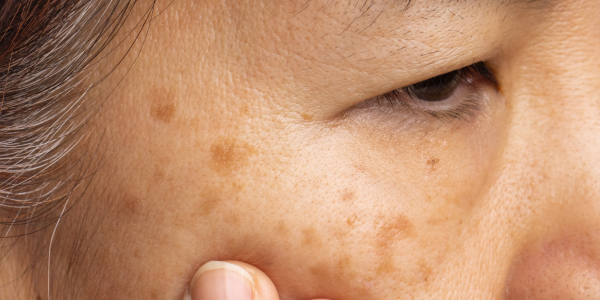
Uneven skin tone and dullness
Melasma
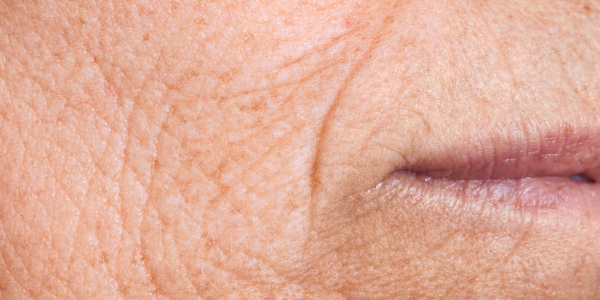
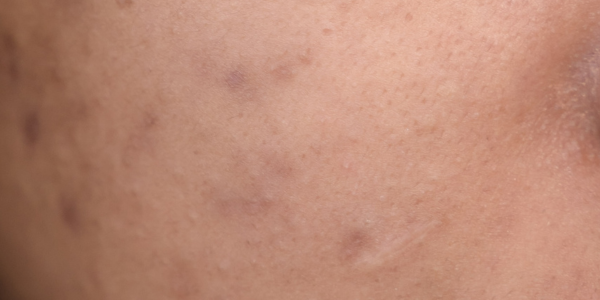
Fine lines and early textural changes
Post-inflammatory redness
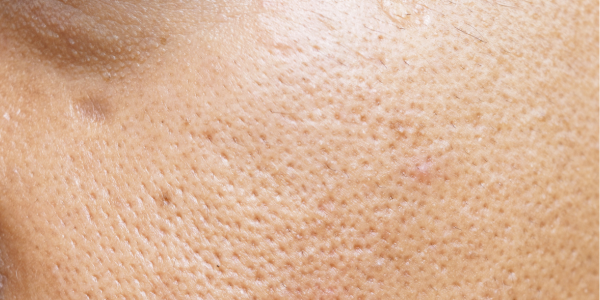
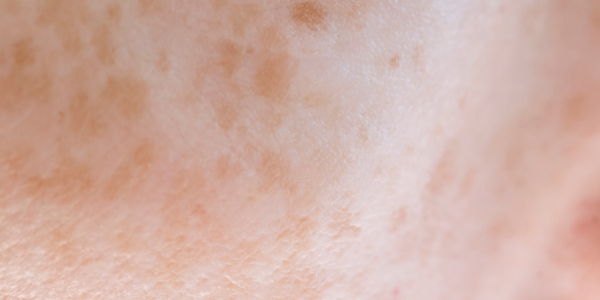
Pigmentation and sun spots
Enlarged Pores
-
LaseMD uses a 1927nm wavelength to create controlled micro-channels in the outer layers of the skin. Unlike ablative lasers such as CO2, LaseMD works without removing the skin's surface, which generally allows for a more comfortable treatment and shorter recovery period.
The micro-channels created during treatment may help:
Stimulate the skin's natural cell turnover and collagen response
Break down excess pigment in the upper skin layers
Improve the penetration of medical-grade topical serums applied after treatment
Treatment intensity is adjustable, so your dermatologist or nurse can tailor settings from a gentle, low-downtime approach to a more targeted treatment, depending on your skin and goals.
-
Consultation first. Every laser treatment at Derm Skin Specialists begins with a clinical assessment to confirm suitability and rule out any underlying conditions that should be addressed first. You may opt for a complimentary consultation and treatment with our nurses, or choose a consultation and treatment with our dermatologist.
Numbing. A numbing gel is applied to your treatment area for about an hour. You will be able to comfortably sit in our numbing booths while this takes place.
During treatment. A handpiece is passed over the treatment area to deliver the laser energy. Topical numbing may be used depending on the settings selected. Sessions are generally quick.
Downtime. LaseMD is designed to involve minimal disruption to your routine. Some redness, warmth or mild sensitivity in the days following treatment is common and generally settles quickly, though this can vary depending on the intensity of treatment and individual skin response.
Number of sessions. A course of treatments is often recommended for cumulative improvement, with the exact number depending on your skin and the concern being treated. This will be discussed at your consultation.
-
LaseMD is generally suitable across a range of skin types. However, suitability depends on your individual skin, medical history and current concerns, which is why every treatment is preceded by a consultation with our dermatology or nurse team. This helps ensure LaseMD — or an alternative laser or therapy — is the right fit for you.
Book your consultation here or learn more about pigmentation and melasma
About LaseMD
You can choose a consultation with our nurses or our dermatologist
LaseMD | Skin Rejuvenation & Solar Resurfacing in Brisbane
LaseMD Heavy
Our New Technique | CO2 Like Results | Less Downtime
At Derm Skin Specialists, we've pioneered a new approach to skin resurfacing using the LaseMD Semi-Ablative laser, delivering CO2-like improvements in tone, pigment, and texture, without the extensive recovery traditionally associated with CO2 lasers.
Where CO2 treatments typically mean one to two weeks of significant inflammation and healing, LaseMD Heavy has patients back to their routine in just 5–7 days.
The secret lies in the laser's unique wavelength. Joule for joule, it penetrates slightly deeper into the skin, creating greater thermal spread and, in turn, more noticeable, longer-lasting results.
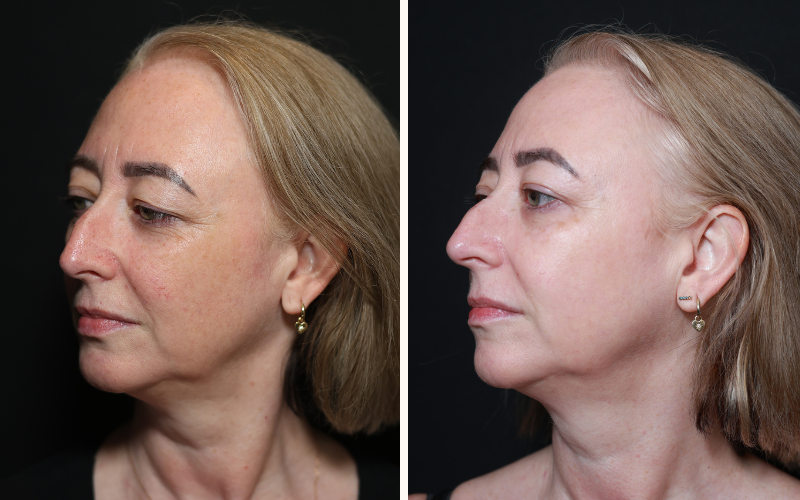
Lase MD x1 | Derma V x 1 | Results within 8 weeks
What to expect
Before
Avoid active skincare, sun exposure, and self-tanning for at least 1 week
Arrive 60 minutes early for application of topical anaesthetic
Baseline photos and consent are completed on the day
During
The procedure is well tolerated with topical anaesthetic alone; oral or inhaled analgesia can be provided if required
Treatment typically takes 20–45 minutes, depending on the area
Cooling air is used throughout for comfort
Immediately After
The skin appears mildly red and warm, similar to a light sunburn
A soothing serum or skin booster may be applied immediately post-treatment to enhance recovery and results
You can expect mild tightness or dryness for 1–2 days
Recovery and follow-up
Mild flaking or roughness may occur over 3–5 days as old cells shed
Itchiness or dryness can occur as the skin renews
Most patients return to normal activities within 2-4 days
A series of 3–4 sessions spaced 4–6 weeks apart achieves optimal results, with ongoing collagen remodelling over time
Not sure where to start?
With several laser options available — and every skin different — it's not always obvious which treatment is the right fit. That's exactly what our complimentary nurse-led cosmetic consultation is for.
In this appointment, our experienced nursing team will:
Assess your skin and discuss your concerns
Talk through suitable options, including laser and other dermal therapies
Let you know if a review with one of our dermatologists is recommended
There's no obligation, and it's a helpful first step if you're weighing up LaseMD against other options in our laser suite.
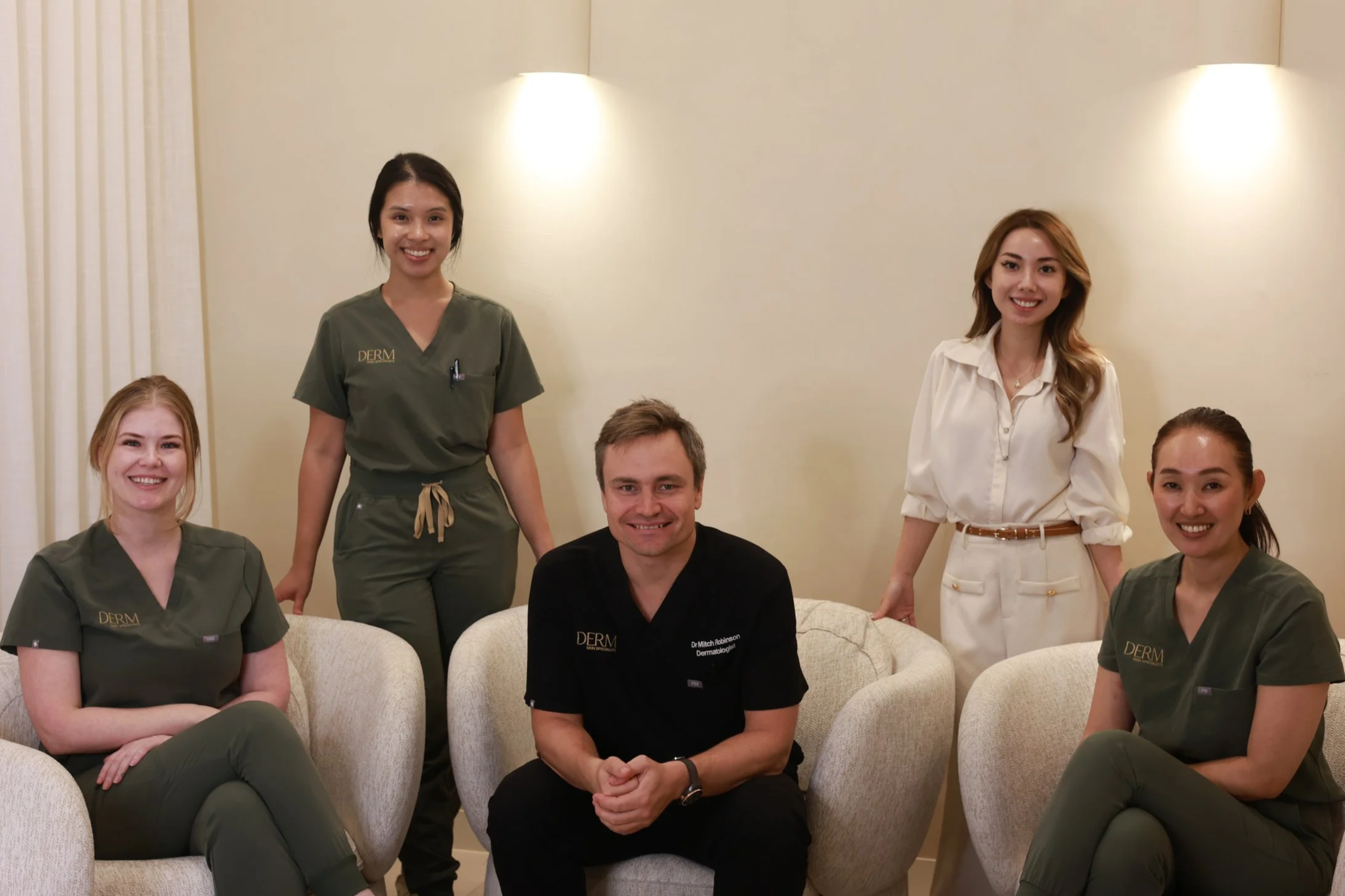
Our Most Commonly Asked Questions
Medical disclaimer
This page is general information only. Suitability, expected outcomes and Medicare eligibility depends on individual assessment.
-
LaseMD Ultra can be tailored to many skin types.
-
Results are usually long-lasting, but skin continues to age. Maintenance care, sun protection, and occasional touch-ups help preserve improvement.
-
No. Individual results vary and depend on skin type, concern treated, and healing response
-
Most patients describe treatment as tolerable, with comfort measures used depending on the treatment intensity.
-
The number of sessions varies depending on the condition being treated, treatment intensity and individual skin response. Most patients do well with 2-4 sessions, 3-6 weeks apart.
-
Laser resurfacing may be considered as part of an acne scar management plan following dermatologist assessment.
-
LaseMD can treat surface level pigmentation such as sun damage, but a different approach may be best for deeper pigmentation such as melasma.
-
Most patients describe LaseMD as tolerable, with sensations ranging from mild warmth to a prickling feeling depending on the intensity used. Numbing cream may be offered for higher-intensity settings.
-
LaseMD is non-ablative, meaning it doesn't remove the outer layer of skin, generally resulting in less downtime than ablative treatments like CO2 resurfacing. CO2 laser is typically reserved for deeper resurfacing and scar revision. Your dermatologist can advise which is more appropriate for your concern.
-
Most patients return to normal activities quickly, though some redness may be visible for a short period after treatment. Your care team will advise on aftercare specific to your treatment plan.
-
Laser treatments for cosmetic concerns are generally not covered by Medicare. Where a treatment is being used for a medical indication, this will be discussed and clarified at consultation.
Want to ask a question?
Send us a quick message.