
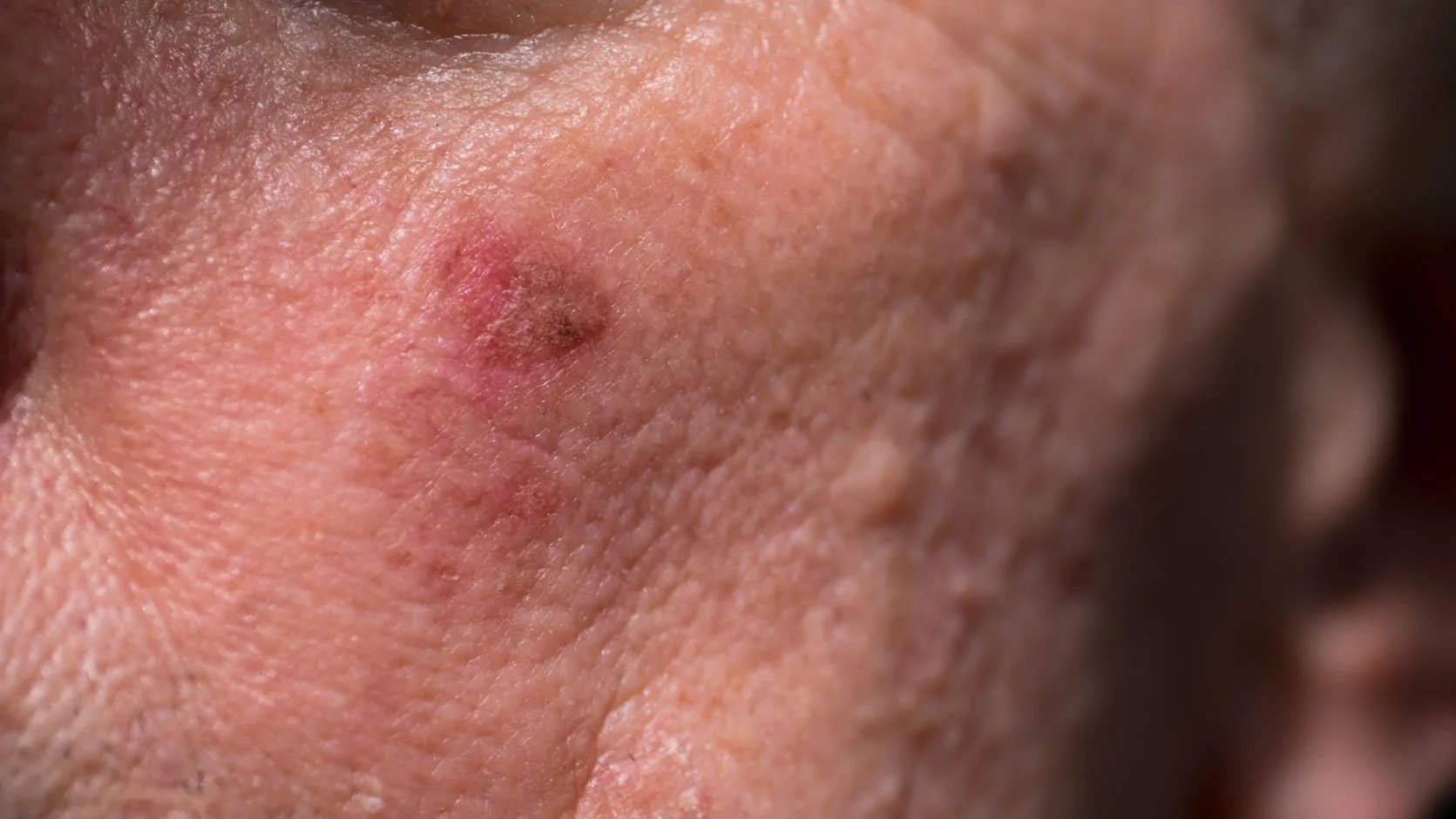
Sun Damage and Actinic Keratoses Field Therapy
Understanding sun damage and actinic keratoses
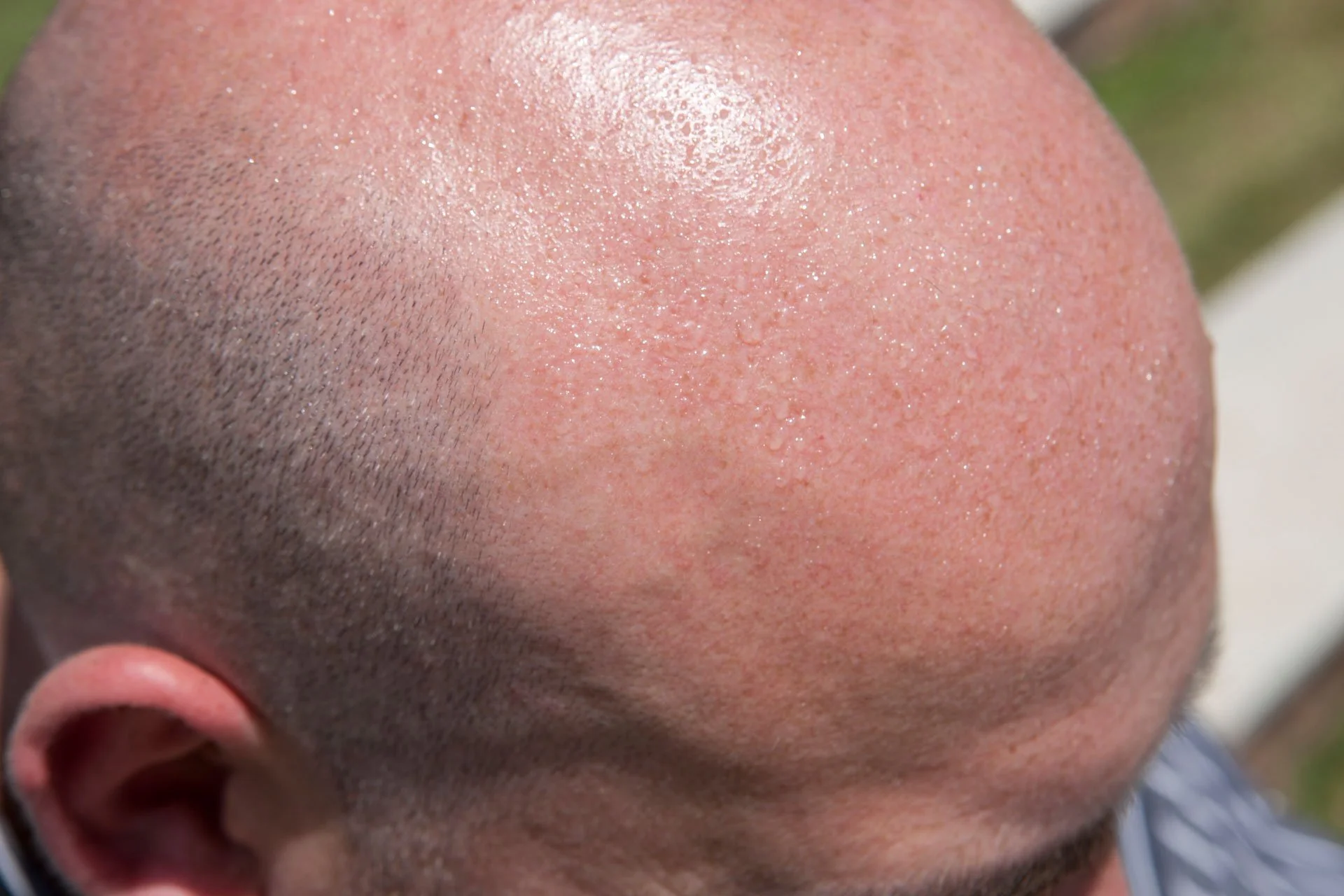
Sun damage is not just pigmentation. It often shows up as persistent roughness, scale, redness, and patches that keep returning in the same areas such as the forehead, cheeks, nose, scalp, ears, and forearms.
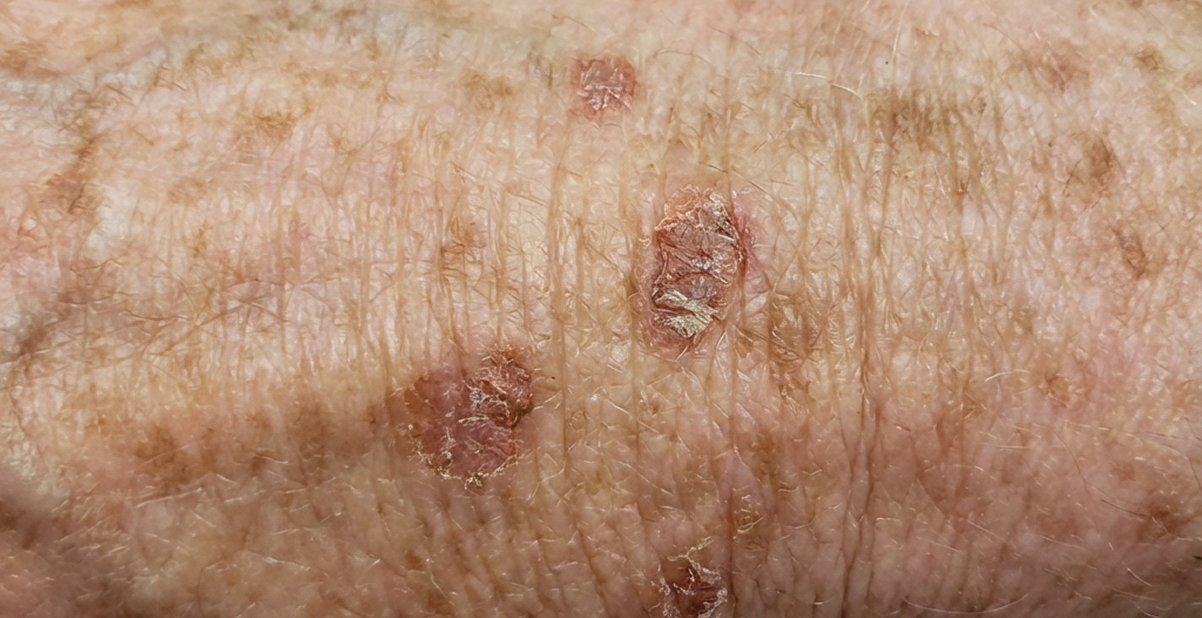
Actinic keratoses are common in sun-exposed sites. Some remain stable, and some progress. The problem is you can’t reliably tell which ones will change just by looking, which is why dermoscopic assessment matters, and why biopsy is sometimes needed before deciding on field therapy.
Field change means the surrounding skin has accumulated damage too, even if only a few lesions are obvious. Treating the field is about reducing lesion burden now and reducing the churn of new lesions in that area over time.
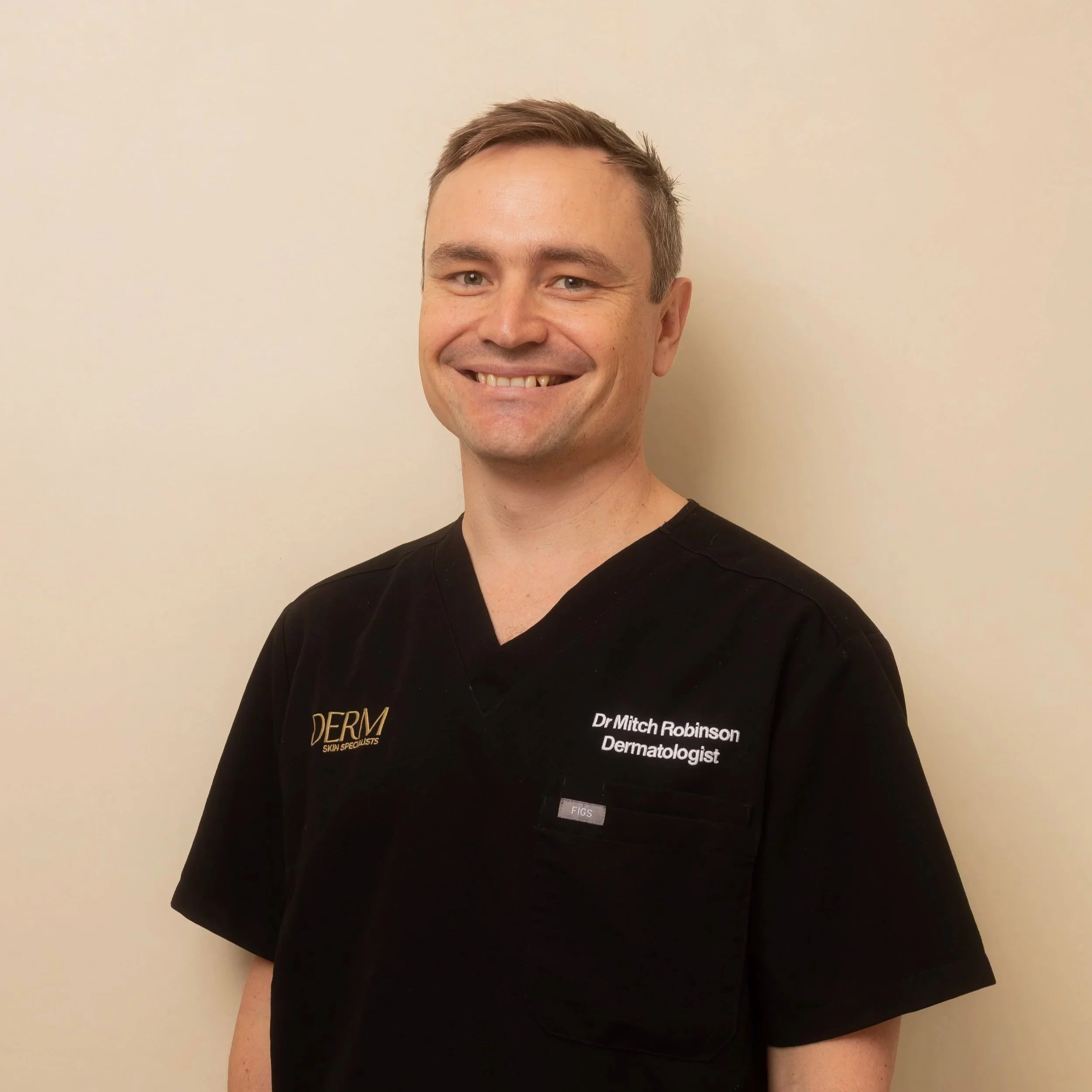
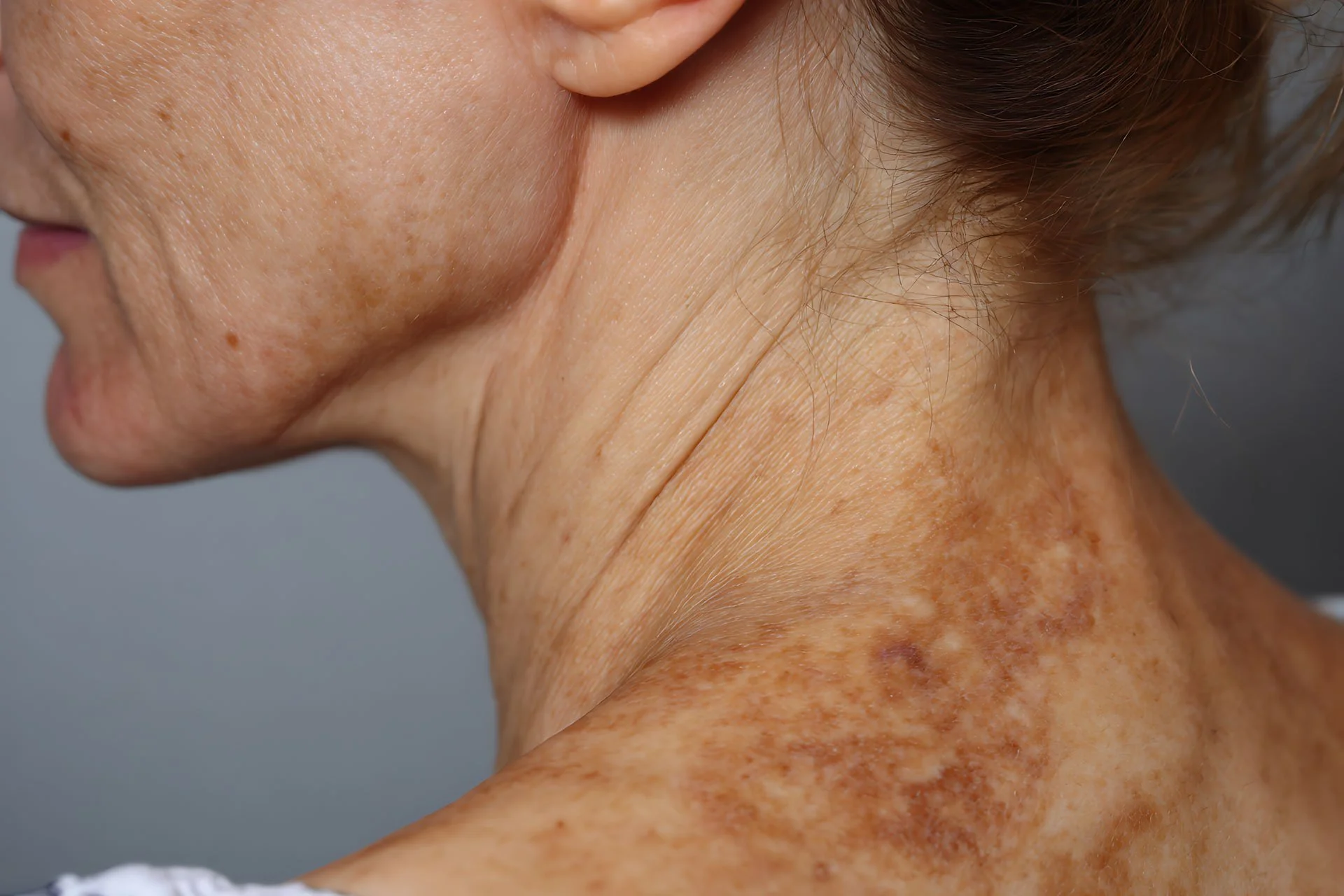
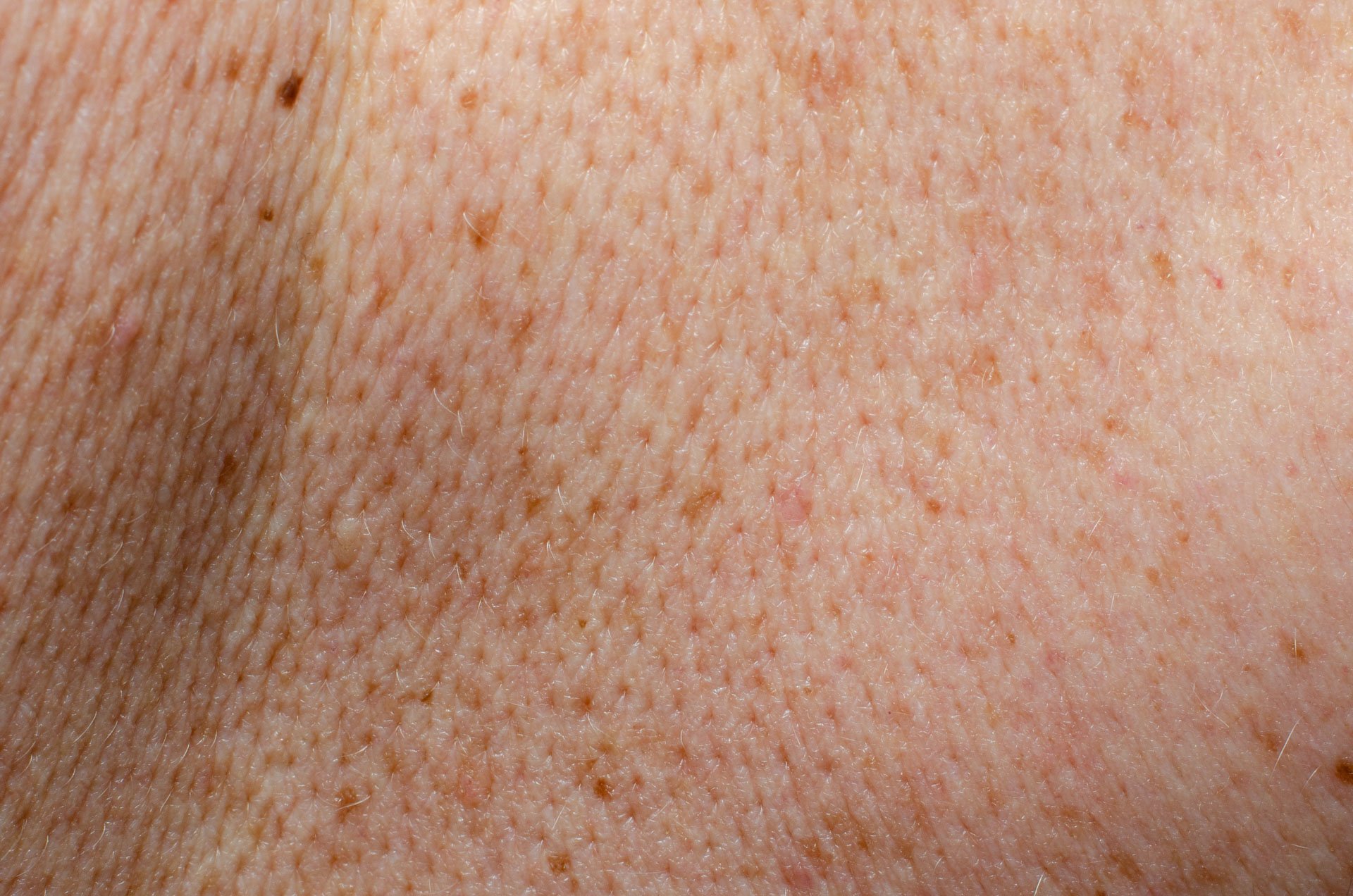
Solar dyschromia is a related pattern. It refers to uneven colour and mottled sun-related pigment that often sits alongside field change. For many patients, the best plan addresses both the medical risk side and the visible sun damage side, without over-treating the skin.
Dr Mitch’s Take
Most people think skin cancer is a single spot you cut out. In reality, a lot of the work is field work. Sun-damaged skin can behave like a “field” of unstable cells, not a single lesion, which is why freezing one spot at a time often becomes an endless cycle.
At DERM Skin Specialists, I’m looking for two things. The obvious lesions you can see, and the background field change that keeps generating new rough patches over time. When field change is present, the goal is to settle the background damage and reduce how often new lesions keep appearing in the same zone.
For the right patient, LaseMD is my go-to field option. LaseMD is a controlled resurfacing laser treatment done in the clinic, and the session itself takes around 15 minutes. For many patients, it’s a practical alternative to a prescription cream course that needs daily application over four to six weeks and can cause a prolonged, visible reaction.
It’s not “cosmetic resurfacing”. It’s a structured field strategy aimed at stabilising sun-damaged skin over the longer term, with a shorter and more predictable downtime window for many patients.
At a glance

Treatment
LaseMD field therapy, a controlled resurfacing laser done clinic

Downtime
Usually 4-5 days of redness and flaking

Costs
From $1,495 per session

Approach
Confirm diagnosis, treat any spots first, then stabilise the wider field

Concern
Sun damage, actinic keratoses, field change, solar dyschromia

Course
2 Sessions, usually 6 weeks apart
What the journey looks like
We start with a dermatologist assessment to confirm what is true actinic keratosis field change versus something that needs biopsy or a different plan. If there are isolated lesions that need direct treatment, we deal with those first.
If the pattern fits field change, we then plan field therapy. For many patients, that means LaseMD delivered as a short course, followed by a review and a maintenance plan.
I separate sun damage into two buckets: lesions and field.
If there are individual lesions that need direct treatment, we may use cryotherapy, biopsy, curettage and cryotherapy, or surgery depending on the diagnosis and the site.
When the issue is broader field change, LaseMD can be used to treat the background sun damage in a controlled, staged way. LaseMD is a fractional 1927 nm thulium laser that creates microscopic channels in the superficial skin. This targets sun-damaged field change without the weeks-long reaction that many patients experience with prescription cream field therapy.
In my practice, LaseMD field therapy is commonly delivered as two sessions spaced around six weeks apart. Downtime is usually four to five days of redness and flaking, then it settles.
Prescription cream field therapy still has an important role. For some patients, field therapy is best done with a dermatologist-prescribed cream course applied at home over several weeks. It works by treating the whole sun-damaged area, not just individual spots. The trade-off is that the reaction can be intense, visible, and hard to fit around work and social life. Where that is unlikely to be tolerated or practical, LaseMD is often the better match.
How we manage sun damage at
Derm Skin Specialists
LaseMD field therapy at
Derm Skin Specialists
LaseMD is used for patients with broader sun damage and field change, especially when the pattern is recurring roughness in the same zone rather than a single isolated spot.

Typical Course
2 sessions, around 6 weeks apart

Costs
$1,495 per session

Downtime
4-5 days of redness & flaking

Appointment Length
Approx 15 minutes
What results to expect
Field therapy is not a one-day fix. The aim is a calmer, more stable field over time, with fewer rough lesions appearing in the treated area.
LaseMD tends to improve the field gradually over weeks to months. You may still need targeted spot treatments for individual lesions, even with good field control. That’s normal. The win is reducing the background “factory” that keeps generating them.
Medical disclaimer
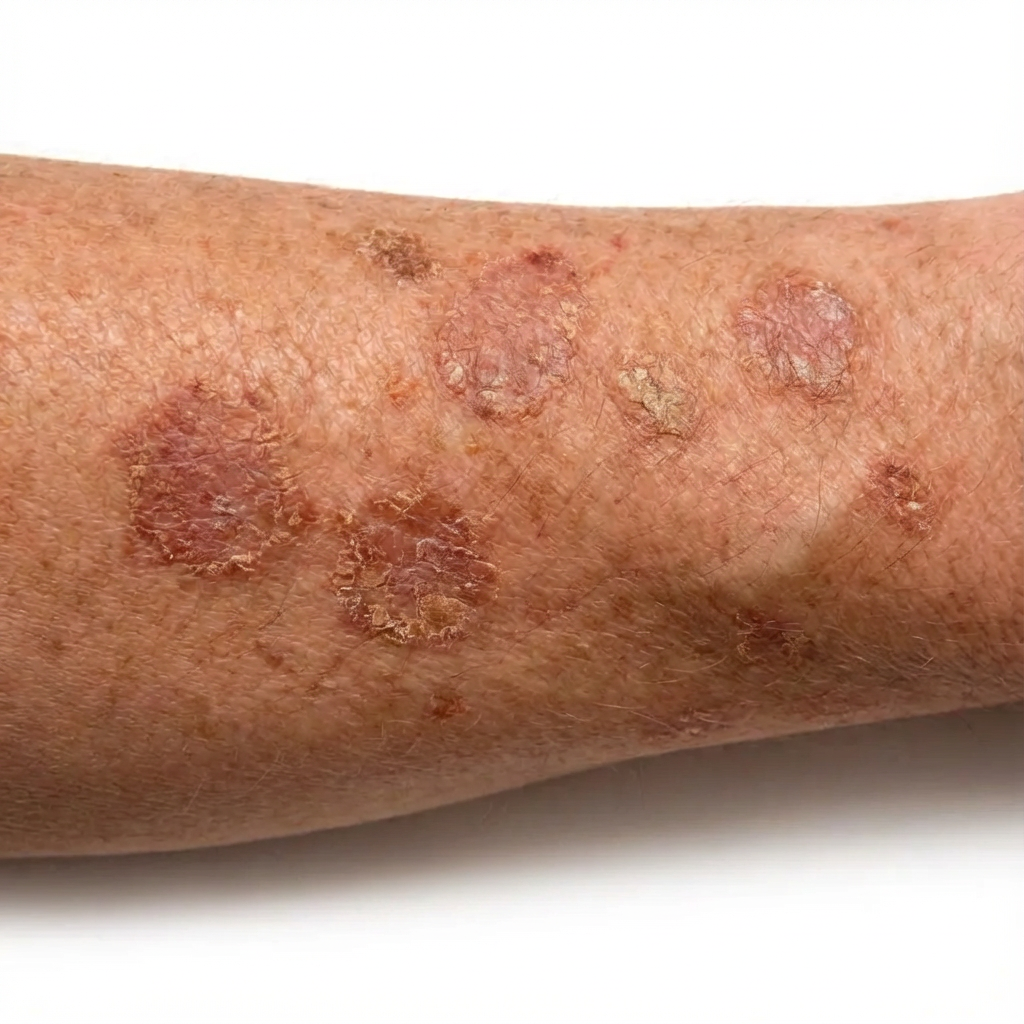
Before and after images are for general information only. Results may vary between individuals and are not guaranteed. Images show outcomes for one patient only and may not reflect typical results. Any procedure or treatment should be considered only after a clinical assessment, by a qualified health practitioner.
Not sure where to start?
If you keep getting rough patches frozen, or you’ve been told you have sun damage or actinic keratoses, start with a dermatology consultation at DERM Skin Specialists. We’ll confirm what needs spot treatment, what is true field change, and whether LaseMD field therapy is the right next step.
Our Most Commonly Asked Questions
Medical disclaimer
This page is general information only. Suitability, expected outcomes and Medicare eligibility depends on individual assessment.
-
Field therapy means treating an area of sun-damaged skin that keeps producing rough, scaly lesions, rather than treating one spot at a time. The goal is to reduce the overall lesion burden and stabilise the field.
-
Solar dyschromia is uneven pigmentation caused by chronic sun exposure. It appears as patchy areas of discolouration, often including freckles, sunspots, and general blotchiness in sun-exposed areas such as the face, neck, chest, and hands.
It develops over time due to cumulative UV damage and is considered a sign of photoaged skin. Treatment options can help improve skin tone, clarity, and overall texture.
-
No. LaseMD field therapy and a prescription cream course are not the same.
LaseMD is a laser-based treatment that creates controlled micro-channels in the skin to deliver or enhance absorption of active ingredients and stimulate skin renewal. It works in-office and targets sun damage through a procedural approach.
A prescription cream course (such as 5-fluorouracil or imiquimod) is a topical, at-home treatment that works chemically or immunologically over several weeks to treat sun-damaged cells across a broader field.
Both are field therapies for sun damage and actinic keratoses, but they differ in method, duration, and how the skin is treated.
-
If you had a strong reaction to a prescription cream course (like 5-fluorouracil or imiquimod), there are still several effective alternatives that don’t rely on that same level of prolonged inflammation.
Options often include:
Photodynamic Therapy (PDT)
A light-based treatment that targets sun-damaged cells with a shorter, more controlled inflammatory period. It’s commonly used for actinic keratoses and field sun damage.Laser-assisted PDT
Similar to PDT, but uses a laser beforehand to improve penetration of the treatment, which can enhance results in some patients.Cryotherapy
A quick, targeted treatment using liquid nitrogen to freeze individual lesions. Best for isolated spots rather than widespread sun damage.Curettage or minor procedural removal
Used for thicker or more stubborn lesions, depending on what is present.Topical alternatives or modified protocols
In some cases, different field treatments or adjusted strengths/schedules may be considered, but these are tailored carefully after a reaction.The most appropriate option depends on the severity of your reaction, your skin type, and how widespread the sun damage is. A consultation is needed to choose a safer and more tolerable plan moving forward.
-
For sun damage, most people need a course of 3–6 LaseMD sessions, typically spaced about 3–6 weeks apart for best results.
Some mild cases may see improvement after 1–2 treatments, but a full series gives more consistent correction of pigmentation, texture, and overall skin quality. Maintenance treatments may be recommended 1–2 times per year depending on your skin and sun exposure history.
-
Downtime after LaseMD is usually minimal.
Most patients experience redness and warmth for 24–48 hours, similar to a mild sunburn. Some light flaking or dryness can occur over the following few days as the skin renews.
Makeup can usually be worn after 24 hours, and most people return to normal activities straight away. Sun protection is essential while the skin is healing.
-
Field therapy can reduce the risk of skin cancer, but it does not guarantee prevention.
Treatments like Photodynamic Therapy (PDT), LaseMD field therapy, and prescription creams target sun-damaged cells across a broader area of skin, including early or precancerous changes that may not yet be visible. By treating this “field” of damage, they can lower the likelihood of actinic keratoses progressing to squamous cell carcinoma.
However, ongoing sun exposure and individual skin risk factors still play a major role. Regular skin checks, sun protection, and maintenance treatments are important for long-term skin cancer prevention.
-
Yes, individual spots can be treated without doing full field therapy.
Options like cryotherapy, targeted laser, or minor procedural treatments can be used to remove or destroy isolated lesions such as actinic keratoses.
However, if there is broader sun damage in the surrounding skin, field therapy is often recommended because it treats both visible and early, unseen changes in the area. Your clinician will assess whether spot treatment or field treatment is the most appropriate approach for your skin.
-
No, LaseMD is not suitable for everyone.
It is generally safe for most skin types, but it may not be appropriate if you have certain conditions or risk factors. LaseMD is typically avoided in cases such as active skin infections or inflammation, pregnancy or breastfeeding, impaired wound healing, recent isotretinoin use, or a history of poor healing or keloid scarring.
It may also be postponed if you have had recent sun exposure or sunburn, or if you are using medications that increase photosensitivity.
A consultation is essential to assess your skin, medical history, and suitability before treatment.