
Eczema & Dermatitis · Mount Gravatt, Brisbane
Eczema & Dermatitis Treatment in Mount Gravatt, Brisbane
Specialist care for itchy, flaring eczema and dermatitis in adults and children, from atopic eczema to hand and contact dermatitis, including narrowband UVB phototherapy in our clinic when creams aren't enough, with dermatologists Dr Emily Shao, Dr Benny Yau and Dr Mitch Robinson, FACD.
Specialist consults from $307 after Medicare rebate (with a GP referral; fee from $395) · No referral needed to book · Medicare rebate with a valid referral · See fees
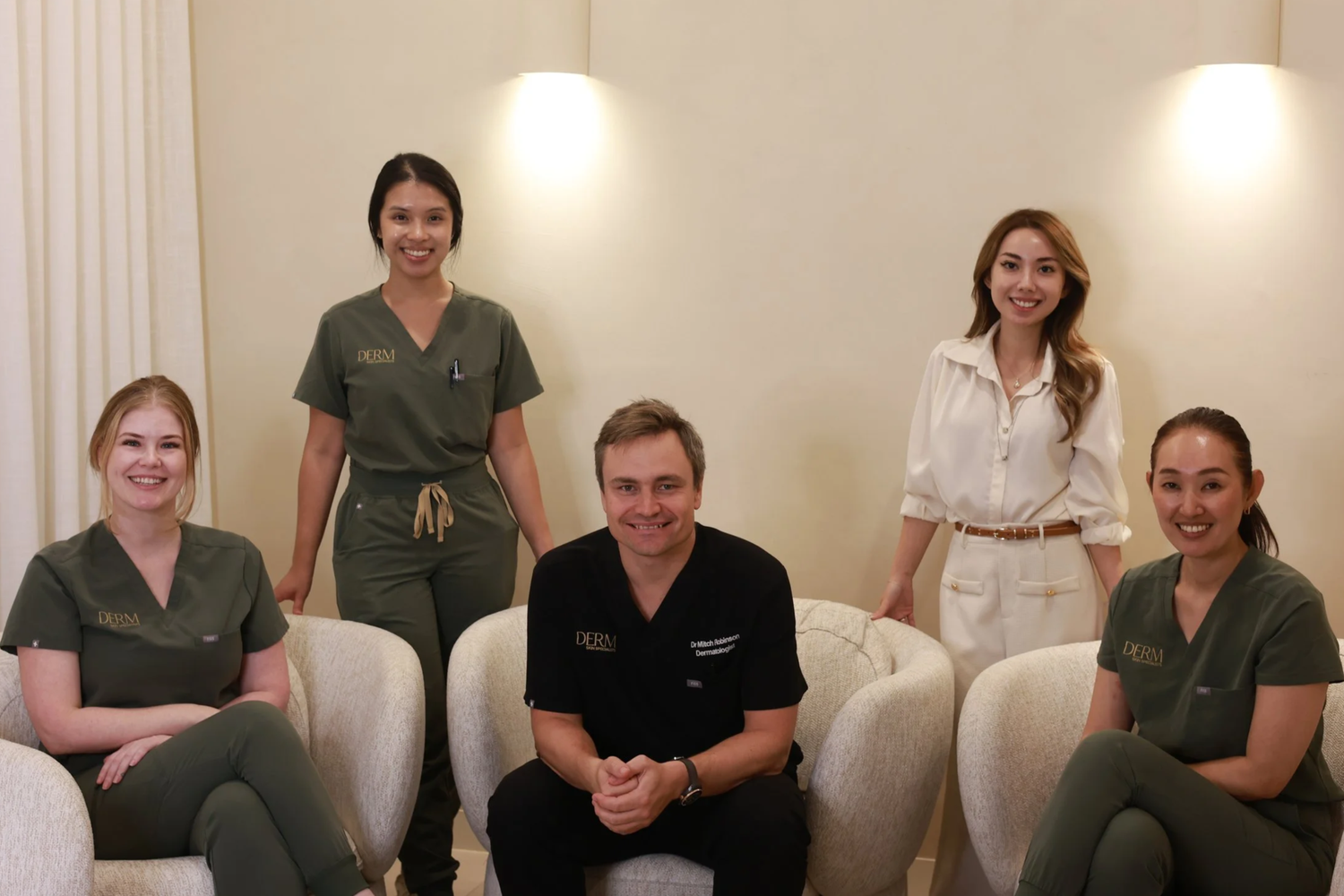
A dermatologist-led clinic. Eczema and dermatitis are managed by our specialist dermatologists, Dr Emily Shao, Dr Benny Yau and Dr Mitch Robinson, FACD, with narrowband UVB phototherapy in the clinic.
Meet our teamEczema Care at a Glance
Should You See a Dermatologist for Eczema?
The short answer: many people manage eczema well with their GP and a good skin routine. It's worth seeing a dermatologist if your eczema is severe or widespread, keeps flaring, is keeping you or your child awake, or isn't settling with the usual creams. When creams aren't enough, narrowband UVB phototherapy in our clinic is often the next step, before tablets or other whole-body treatment.
Eczema, also called atopic dermatitis, is dry, itchy, inflamed skin that flares and settles. It often starts in babies, but adults get it too, sometimes for the first time later in life. Dermatitis is the wider term for inflamed skin. It includes hand dermatitis and contact dermatitis, caused by something that touches the skin.
Our dermatologists confirm what kind of dermatitis you have, rule out look-alikes such as psoriasis, fungal infection and scabies, and find your triggers. Then we build a plan you can actually follow: what to use during a flare, what to use between flares, and when to step treatment up or down.
We see patients from Mount Gravatt and across Brisbane's southside, including Holland Park, Carindale, Sunnybank and Mansfield. No referral is needed to book, and most new patients are seen within two weeks.
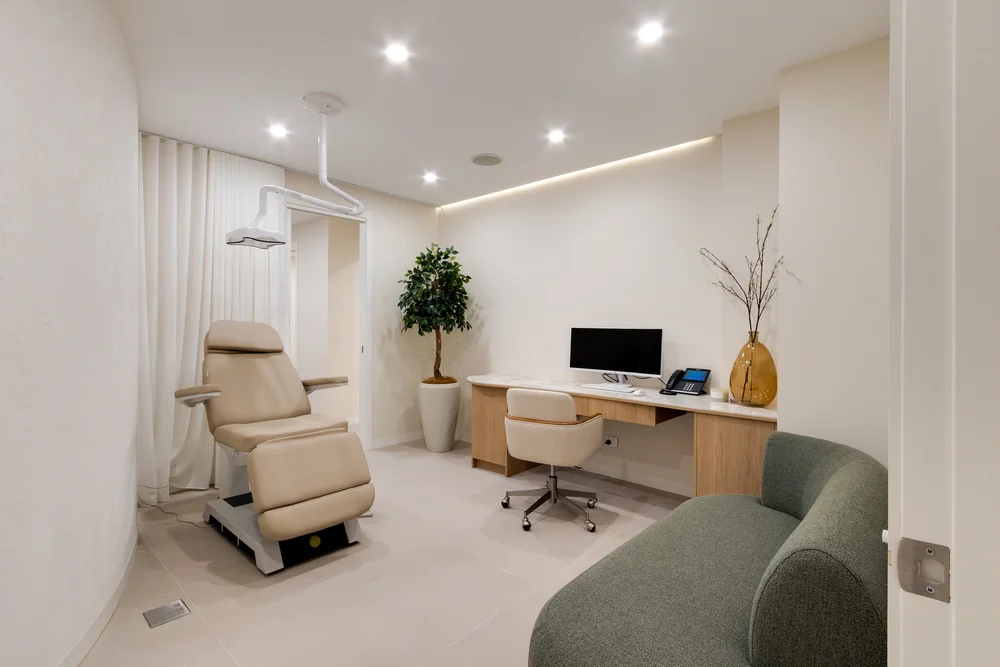
Control, not cure
Can Eczema Be Cured? What Results Can You Expect?
There is no cure for eczema yet, but most people can get it much better controlled than they've been living with. Success looks like less itch, better sleep, fewer flares and fewer rescue courses of treatment.
Eczema comes and goes with the seasons, stress, illness and sweat. So a good plan isn't a one-off script. It's a routine for the good weeks, a clear plan for flares, and reviews that adjust treatment as your skin changes.
Many children improve a lot between the ages of two and five, and childhood eczema usually gets better with age. It can come back in adult life, often on the hands.
What the research says. A Cochrane review of 77 trials with more than 6,600 people found that regular moisturiser use meant fewer flares, a longer time before the next flare, and less prescription cream needed (Cochrane review, 2017). Most trials lasted only about six weeks, and the evidence for many results was of low to moderate certainty.
Dr Mitch on Eczema Treatment
"The goal with eczema is control, not cure."
"Most people aren't looking for 'perfect skin', they want less itch, fewer flares, better sleep, and skin that isn't constantly irritated."
"The goal is steady control with the lowest treatment burden that actually works."
From Dr Mitch's own notes on eczema care.
Settle it, then keep it settled
How Do Dermatologists Treat Eczema?
Your plan is matched to your type of dermatitis, how severe it is and your daily life. Once your skin is stable, we step treatment down to the lowest level that keeps it that way.
UVB phototherapy
- The next step when creams aren't enough
- For widespread or stubborn eczema
- Short sessions in our clinic, 2 to 3 a week
- Medicare rebate may apply
Barrier repair
- A simpler routine with a gentle soap substitute
- The right moisturiser, used often enough
- Irritating products and actives removed
Prescription Creams for Eczema
- Matched to the area, from face to hands
- Clear instructions on how much and how long
- A step-down plan once the flare settles
A written flare plan
- What to use on day one of a flare
- What to use between flares
- When to call us instead of waiting
Infection care
- Infected eczema treated promptly
- Swabs taken when needed
- Bathing advice to reduce future infections
Severe eczema
- For eczema that stays severe despite the above
- Specialist treatments where appropriate
- Started and monitored by a dermatologist
Light therapy in our clinic
Is UVB Phototherapy Good for Eczema?
For the right person, yes. Narrowband UVB phototherapy uses a specific band of ultraviolet light to calm inflammation in the skin. Dr Mitch often uses it as the next step when creams alone aren't enough, because it treats the whole skin without tablets and can reduce how much cream you need.
Why many people choose UVB for eczema
- It treats all of your skin at once, including areas that are hard to keep creamed
- It's a standard next step in guidelines when creams aren't enough
- No tablets, and no routine blood tests for the UVB itself
- It can reduce how much cream you need
- It can suit older children and adults, after assessment
- A Medicare rebate may apply to your sessions
Sessions take place in a UVB cabinet in our clinic and last from seconds to a few minutes. Most people come two or three times a week. The dose starts low and is built up slowly, and improvement usually shows over several weeks. It needs commitment, because missed sessions slow progress.
What the research says. A Cochrane review of 32 trials with 1,219 people found that narrowband UVB may improve eczema signs and itch compared with a placebo light (Cochrane review, 2021).
Side effects. Sunburn-like redness, dryness, itch and cold sore flares can happen. You wear goggles in the cabinet. Long courses add to your lifetime UV exposure, so we count your treatments and keep an eye on your skin. Phototherapy may not suit you if light makes your eczema worse, you take a medicine that makes you sun-sensitive, or you've had certain skin cancers.
A UVB Course for Eczema Involves
- A dermatologist assessment first
- 2 to 3 short sessions a week in clinic
- A dose built up slowly for your skin type
- Eye protection in the cabinet
- Regular reviews of your progress
A Medicare rebate may apply to phototherapy. We confirm the cost and any rebate at your consultation, before you start. More on UVB phototherapy.
What Type of Eczema or Dermatitis Do You Have?
Different types look alike but have different triggers, so getting the diagnosis right is the first step.
Atopic eczema
Dry, itchy skin that flares in the skin folds, such as the elbows, knees, neck and wrists, and keeps coming back. It often runs in families with asthma or hay fever.
Children's eczema
Itchy rashes in babies and children, often starting on the cheeks. The itch can disturb sleep for the whole family.
Hand dermatitis
Dry, cracked, sore or blistering hands, often from wet work, soaps and cleaning products.
Irritant contact dermatitis
Damage from things that strip or irritate the skin, such as water, soap, solvents and friction. It's the most common type of contact dermatitis.
Allergic contact dermatitis
An allergic reaction to something that touches the skin, such as nickel, fragrance, preservatives, hair dye or rubber in gloves. It often appears a day or two after contact.
Seborrhoeic dermatitis
Red, flaky skin on the scalp, eyebrows and sides of the nose. In babies it shows up as cradle cap.
What Triggers an Eczema Flare?
A flare usually comes from two things together: a weak skin barrier, and something that irritates or inflames the skin. When the barrier is damaged, skin loses moisture and reacts more easily, so the same trigger can cause a flare one week and not the next.
Brisbane's weather plays a part: summer heat and sweat, then dry winter air. Stress, poor sleep, colds and other infections can also tip eczema into a flare.
What about food? Food allergy is rarely the main cause of eczema, although some babies with moderate to severe eczema also have food allergies. Cutting foods out without proper testing can affect a child's growth and nutrition and can even make allergy more likely, so talk to us or an allergy specialist before changing your child's diet.
Common Eczema Triggers
- Soap, bubble bath and fragranced products
- Heat, sweat and long hot showers
- Dry air and air-conditioning
- Wool and scratchy fabrics
- Chlorine and sand, so rinse after swimming
- Dust mites or pet dander for some people
- Stress, poor sleep and illness
What Can Be Done for Severe Eczema?
If your eczema stays severe despite well-used creams, good skin care and phototherapy, or it's affecting your sleep, work, school or mood, specialist care for severe eczema can make a real difference.
Our dermatologists can consider specialist treatments for severe eczema where appropriate. Each has its own benefits, risks and monitoring, such as blood tests, and some have eligibility rules that need your severity and previous treatments documented by a dermatologist. We go through all of this with you, so you can decide with the full picture.
Dr Mitch's approach is to avoid treatment that acts on the whole body if we can, and to escalate when eczema is severe, persistent or affecting quality of life despite everything else. Once you're stable, we review whether treatment can be stepped down.
Constant itch and broken sleep wear people down. Tell us how eczema is affecting you, because that's part of how we judge severity.
Children's Eczema: When Should Your Child See a Dermatologist?
Eczema affects about one in five Australian children under two, and usually starts in the first six months of life. Most children improve as they grow, but in the meantime the itch, broken sleep and worry are hard on the whole family.
Dr Emily Shao sees children as well as adults, and paediatric dermatology is one of her special interests.
Many parents worry about putting prescription creams on a child's skin. Used as directed, they are well-studied and effective. We show you exactly how much to use, where, and for how long, and when to step down. We also cover the practical side: bath routines, moisturising at nappy changes, wet wraps for bad flares, scratching at night, and eczema at daycare and school.
If food allergy is suspected, we explain what testing is useful and when to involve an allergy specialist.
Book sooner if your child
- Is waking at night from itch
- Has weeping, crusted or painful patches
- Keeps needing repeat courses of treatment
- Has eczema with suspected food reactions
- Is missing school or daycare because of their skin
What Helps Hand Eczema?
Hand eczema is common in people whose hands are often wet or in contact with soap, cleaning products, food, hair products or gloves. Nurses, hairdressers, cleaners, chefs, mechanics and parents of young children are all at higher risk. It's often a mix of irritation, an eczema-prone skin type and sometimes a contact allergy.
Hand eczema that lasts more than about three months or keeps coming back deserves a proper look, including whether a contact allergy is part of the problem. European guidelines recommend checking for contact allergy in long-lasting hand eczema (Contact Dermatitis, 2022).
Treatment combines prescription creams to settle the flare with changes that protect your hands at work and at home. The aim is hands that hold up to your job, not just a break from it.
Hand care that helps
- Lukewarm water and a soap substitute
- Dry gently, then moisturise after every wash
- Cotton liners under gloves for wet work
- Take rings off for washing and wet work
- Thick moisturiser at night, with cotton gloves
Is It Contact Dermatitis? Do You Need Patch Testing?
Contact dermatitis is a rash caused by something touching the skin. Irritant contact dermatitis is the most common type: water, soap, solvents and friction slowly wear down the skin barrier. Allergic contact dermatitis is an immune reaction to a specific substance, such as nickel, fragrance, preservatives in skincare, hair dye or rubber chemicals in gloves.
Clues to an allergy include a rash on the eyelids, face or hands, a rash in the shape of a watch or earring, or eczema that flares with a particular product. Allergic rashes often appear a day or two after contact, which makes the cause easy to miss.
Patch testing looks for allergic contact dermatitis. Small amounts of common allergens are taped to your back for about two days, then read over the following days. If your history suggests a contact allergy, we may recommend patch testing and explain how it's arranged. Finding and avoiding the allergen can make a big difference.
What Happens at Your First Eczema Appointment?
From your first visit to long-term control, here's how eczema care works at DERM Skin Specialists.
Your Eczema Assessment
We confirm the diagnosis and pattern, rule out look-alikes, and take a proper history: where it is, how long it's been going on, what makes it worse, and what has and hasn't helped. We check for infection and possible contact triggers, and may take photos to track your progress.
Control phase
We settle the flare and the itch, then give you clear written instructions on what to use during flares and what to use between them, so you're not left guessing.
Maintenance and review
Once you're controlled, the focus is preventing relapse: barrier care, avoiding triggers, and the lowest treatment that keeps you stable. We adjust the plan as seasons, stress, work and life change.
Bring a list of the creams and products you've used, photos of your skin during a flare, and any allergy test results.
How Should You Bathe and Moisturise With Eczema?
Keep baths and showers short and lukewarm, use a soap substitute, pat the skin dry and put moisturiser on within a few minutes. A thick, unperfumed moisturiser at least twice a day works for most people, and more often in winter or on the hands. Most people with eczema don't use enough.
How often should you bathe? In a 2025 trial of 438 children and adults with eczema, bathing or showering daily or once or twice a week made no difference to eczema symptoms over four weeks (British Journal of Dermatology, 2025). The trial was short, people knew which group they were in, and they rated their own symptoms. So bathe as often as suits you, and moisturise afterwards.
For bad flares, wet wraps or cool compresses can calm the itch. Some people prone to infection are advised to use dilute bleach baths. Only use these if your dermatologist recommends them, and we'll show you how.
A simple daily routine
- Short, lukewarm bath or shower
- Soap substitute, no bubble bath
- Pat dry, don't rub
- Moisturise straight away, all over
- Cotton clothes and short nails
- Rinse off after swimming
What Does Eczema Look Like on Darker and Olive Skin?
On brown and black skin, eczema often looks purple, grey or dark brown rather than red, so it can be harder to see how inflamed it is. It may affect the outer elbows and knees rather than the skin folds, and can show up as small bumps around the hair follicles.
After a flare settles, the skin can be left lighter or darker for months. This change in colour isn't a scar, and it usually fades slowly once the eczema stays controlled. Long-term scratching can also thicken the skin. Controlling the inflammation is the most important step for both, together with daily sun protection.
We see patients of all skin types and backgrounds. If you're having UVB phototherapy, the dose is set for your skin type.
Is My Eczema Infected? When to Get Help Fast
Eczema skin is more easily infected, especially when it's scratched. Know the warning signs.
Signs of infection
- Weeping, yellow crusting or pus. Often with eczema that suddenly gets worse.
- Pain, heat or spreading redness. Eczema should itch more than it hurts.
- A flare that won't settle. Despite using your flare plan properly.
- Fever or feeling unwell. Especially with widespread eczema.
Get help the same day
- Clusters of painful, punched-out sores or blisters. Especially after contact with a cold sore. This can be eczema herpeticum and needs urgent treatment.
- Sores near the eye or eye pain.
- Widespread red, hot skin with fever.
- A baby who is feeding poorly or seems very unwell.
Call us on 07 3487 1414. Outside hours, see your GP or go to an emergency department. All eczema treatments, including prescription creams, specialist treatments and phototherapy, can have side effects. We explain them before you start, use the lowest treatment that works, and review you regularly.
How Much Does an Eczema Dermatologist Cost in Brisbane?
A specialist consultation with one of our dermatologists starts from $395. We're a private billing practice. No referral is needed to book, but a valid referral, usually from your GP, is needed to claim a Medicare rebate on your consultation.
Other costs depend on your plan. Prescription costs vary with what you're prescribed. If phototherapy is recommended, we tell you the cost per session, how many sessions to expect and whether a Medicare rebate applies, in writing, before you start.
A good plan should mean fewer urgent visits and fewer products bought on a guess. See our fees.
Who Will Look After Your Eczema?
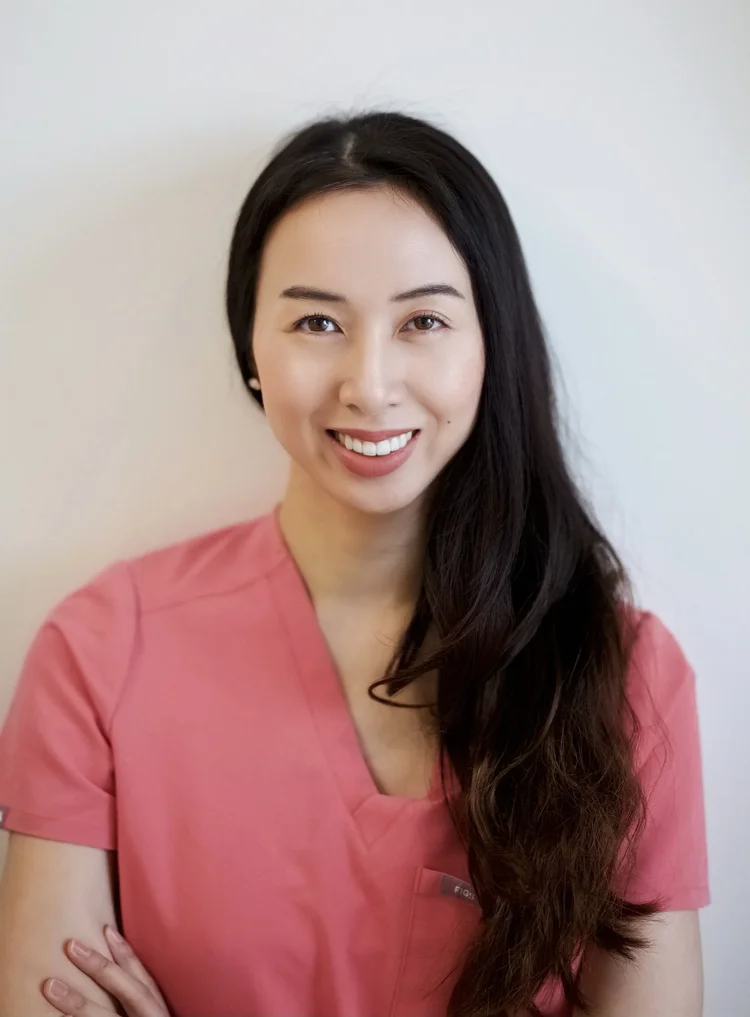
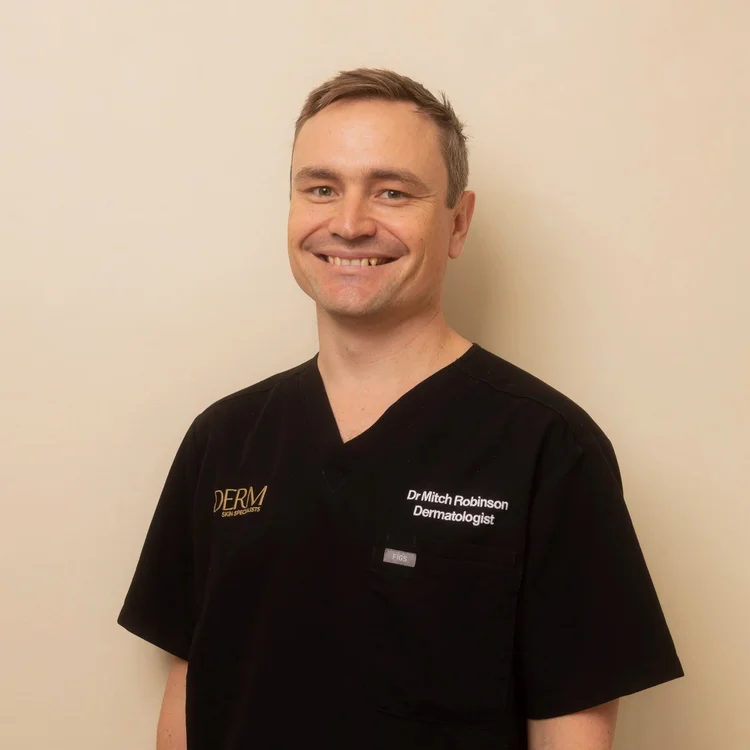
All three of our dermatologists are Fellows of the Australasian College of Dermatologists (FACD) and treat eczema and dermatitis. Ask for any of them when you book.

Mount Gravatt, Brisbane
Eczema Dermatologist in Mount Gravatt
DERM Skin Specialists is at 2/1437 Logan Road, Mount Gravatt, about 15 minutes' drive from the Brisbane CBD, with free parking onsite. Families come from across Brisbane's southside, including Upper Mount Gravatt, Wishart, Eight Mile Plains and Greenslopes.
Common Questions
Eczema & Dermatitis: Common Questions
Is eczema contagious?
No. You can't catch eczema from someone. Infected eczema can spread the infection, though, so weeping or crusted patches should be checked.
Can adults suddenly get eczema?
Yes. Eczema can start in adult life, or come back after years away, often on the hands or eyelids. A new rash in an adult is worth checking, because contact dermatitis, psoriasis and fungal infections can look similar.
How long does an eczema flare last?
It varies from days to weeks. Starting your flare plan early, moisturising and cool compresses help many flares settle within one to two weeks. If yours isn't improving, call us.
Can I use prescription eczema creams on my child?
Used as directed by a doctor, they are well-studied and effective in children. We explain exactly how much to use, where and for how long, and how to step down.
Does food allergy cause eczema?
Rarely on its own. Some babies with moderate to severe eczema also have food allergies, but cutting out foods without testing can do more harm than good. Talk to us first.
Will my child grow out of eczema?
Many children improve a lot between two and five years of age, and most get better with age. Some keep sensitive skin, and eczema can return in adult life.
Can stress make eczema worse?
Yes. Stress, poor sleep and illness are common flare triggers. Better itch control usually means better sleep, which helps break the cycle.
Is it eczema or psoriasis?
They can look alike. Psoriasis tends to form well-defined, thick, scaly plaques on the elbows, knees and scalp, while eczema is itchier and less well defined. A dermatologist can usually tell by examining the skin, and occasionally a skin sample is taken.
Why is my eczema worse at night?
Skin gets warmer at night and there's less to distract you from the itch. A cool bedroom, cotton sheets, short nails and moisturising before bed help.
Do I need a referral to see a dermatologist for eczema?
No referral is needed to book. A valid referral, usually from your GP, is needed if you want a Medicare rebate on your consultation.
How soon can I get an appointment?
Most new patients at DERM Skin Specialists are seen within two weeks. Call 07 3487 1414 or book online.
Does Medicare cover eczema treatment?
With a valid referral, Medicare gives a rebate on your consultation. A rebate may also apply to phototherapy. We confirm what applies to you before you start.
How many UVB sessions will I need?
Most people come two or three times a week, and improvement usually shows over several weeks. A course often runs for a few months. We review your progress along the way.
Is UVB phototherapy the same as a solarium?
No. Phototherapy uses a measured narrow band of UVB light, with doses set for your skin type and supervised by a dermatologist. Commercial solariums are banned in Australia and shouldn't be used to treat eczema.
What is patch testing?
A test for allergic contact dermatitis. Small amounts of common allergens are taped to your back for about two days, then read over the following days. We may recommend it if your history suggests a contact allergy.
Can eczema leave scars?
Eczema doesn't usually scar. Scratching can thicken the skin, and lighter or darker patches can last months after a flare, especially in darker skin, but these usually fade once eczema is controlled.
What should I bring to my first appointment?
A list of creams, washes and products you've tried, photos of your skin during a flare, any allergy test results, and your GP referral if you have one.
Can I swim with eczema?
Yes, and many people with eczema swim regularly. Rinse off chlorine or salt water straight after, and moisturise.
Which dermatologist should my child see for eczema?
Dr Emily Shao sees children and has a special interest in paediatric dermatology. Call us and we'll help you choose the right appointment for your child.
Do I need a specialist for severe eczema?
Yes, it's worth it. A dermatologist can confirm the diagnosis, use phototherapy, and start specialist treatments for severe eczema where appropriate.
Get Your Eczema Under Control
Book a consultation with one of our dermatologists. We'll confirm what type of eczema or dermatitis you have, explain your options, and give you a clear plan for flares and for the weeks in between.
Clinical content overseen by Dr Mitch Robinson, FACD (AHPRA MED0001946771). Updated October 2026. General information only, not medical advice. All procedures carry risks; suitability, recovery and results vary between individuals.