
Scar Revision · Mount Gravatt, Brisbane
Scar Revision in Mount Gravatt, Brisbane
Surgical and laser treatment to improve surgical scars, injury and burn scars, and scars that have stretched or stayed red, planned by a specialist dermatologist. Dr Mitch Robinson, FACD, has fellowship training in complex scarring.
Specialist consultations from $395 · No referral needed to book · Treatment priced after assessment and confirmed in writing · See fees
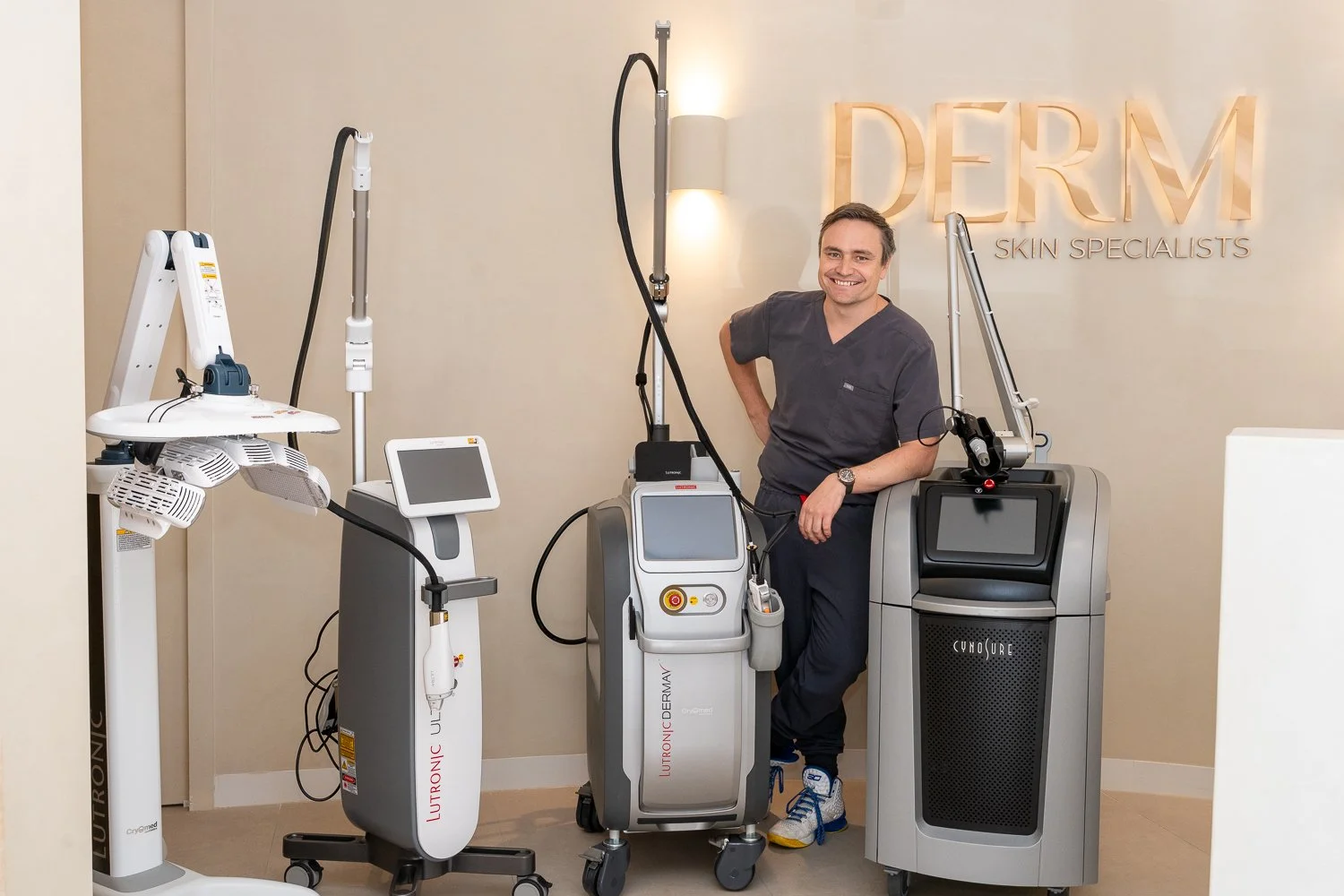
A dermatologist-led clinic, founded by Dr Mitch Robinson, FACD, who teaches laser to dermatologists and registrars and has fellowship training in complex scarring.
Meet Dr MitchScar Revision at a Glance
Scar Revision Before and After Photos
Patients of DERM Skin Specialists, published with their consent. Each caption gives the treatment and when the after photo was taken. Tap a photo to enlarge it.

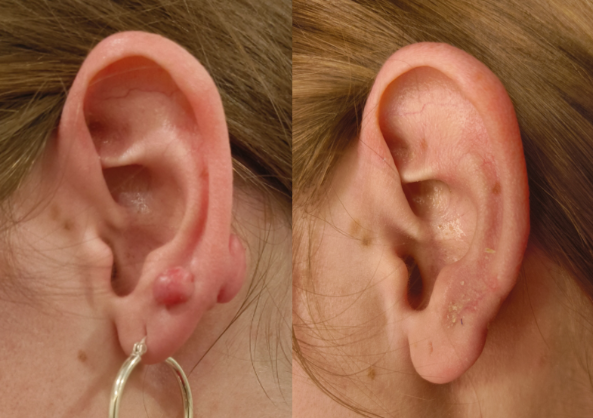 BeforeAfter 4 weeks
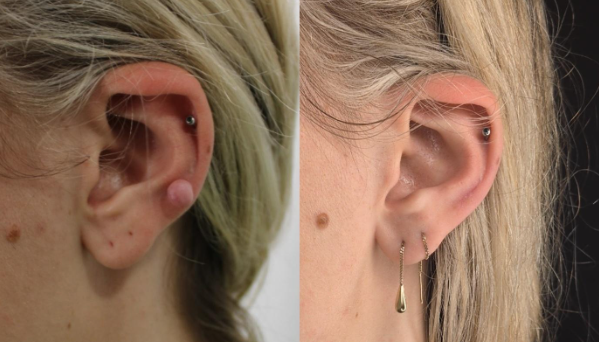 BeforeAfter 3 months
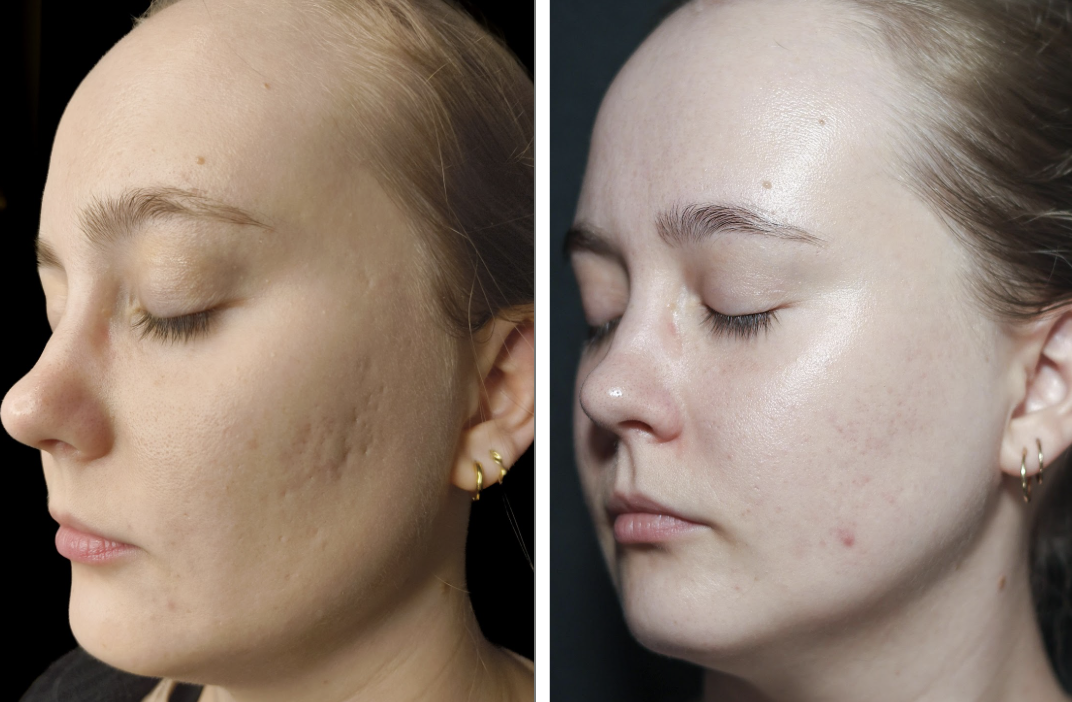 BeforeAfter 6 weeks
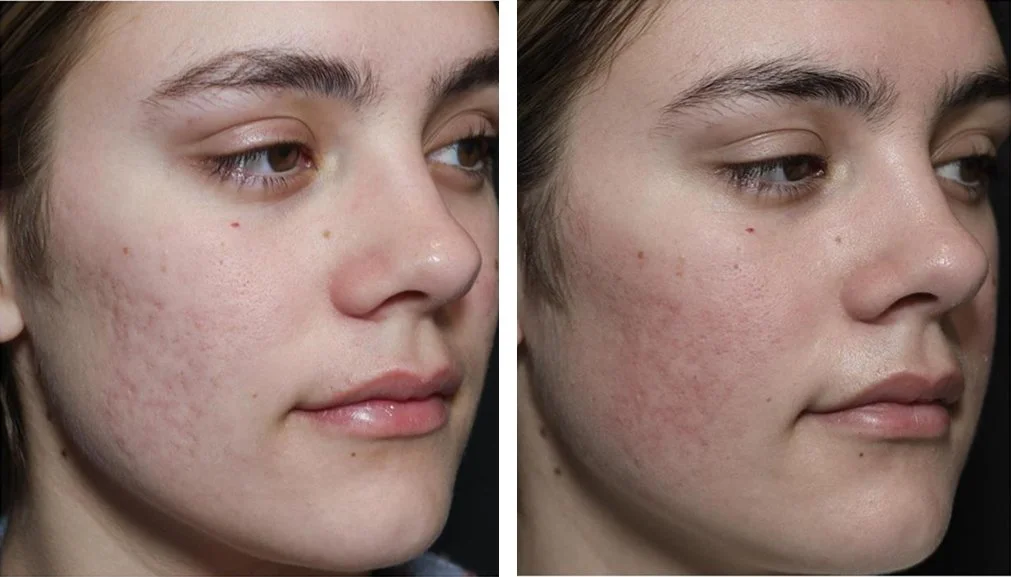

Before photo on the left in each pair. Tap a photo to see it larger. Individual results vary. Results depend on the type and age of the scar, your skin type and how your skin heals. All procedures carry risks; see the risks section below.
Send Us Photos of the Scar You'd Like Improved
Want to know whether your scar can be improved, which treatment suits it, and roughly what it costs? Fill in a short form, then reply to our text with a few photos. We'll be in touch ASAP about the right consult and a price guide.
Photo tips: one close-up and one from further back. Normal room light is fine, no make-up or filters.
Photos help us guide you but don't replace a consultation. Price guides are estimates; your exact costs are confirmed at your consult. For adults 18 and over. Photos are stored securely by our messaging provider, Podium, which may store data outside Australia.
Can a Scar Be Removed Completely?
The short answer: no treatment can erase a scar, but most scars can be made flatter, narrower, less red and better blended with the skin around them. Scar revision means improving how a scar looks and feels, usually with a combination of surgery and laser staged over several months.
We look at four things in every scar: its height (raised or sunken), its colour (red, brown or paler than your skin), its texture, and its width. Each is treated differently, so a single laser rarely does the whole job.
We see patients from Mount Gravatt and across Brisbane's southside, including Holland Park, Carindale and Sunnybank. Acne scars have their own page: acne scar treatment.
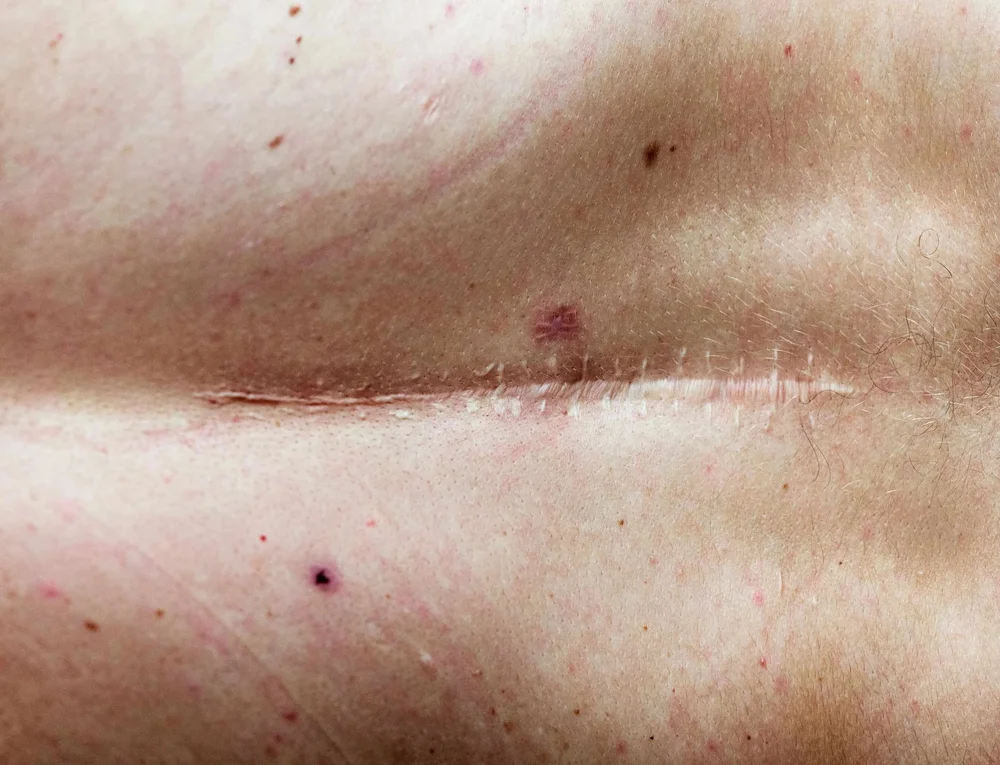
Scars keep changing for a year
What Results Can You Expect From Scar Revision?
Most people can expect a scar that is less noticeable at a normal talking distance, rather than one that has disappeared. Red, raised and uneven scars tend to improve most. Pale scars change the least.
Change builds slowly. Scars keep remodelling for up to 12 to 18 months, so we compare photos taken in the same lighting and judge results at least 3 months after your last treatment.
What the research says. An international panel of scar and laser doctors recommended fractional laser, often with vascular laser and surgery, as a main treatment for scars after injury, burns and surgery (JAMA Dermatology, 2014). In a trial of 11 people with new surgical scars, half of each scar was treated with a vascular laser from the day the stitches came out; the treated halves scored noticeably better on a standard scar scale after three monthly sessions (Dermatologic Surgery, 2003). Results vary.
Every scar has a story
Which Scars Can Be Treated?
The cause, age and position of your scar guide which treatments will help.
Surgical scars
Scars after operations, caesareans and skin cancer removal that have stayed red, raised, lumpy or pulled in.
Injury scars
Scars after cuts, grazes, bites and accidents, often with uneven edges, steps in the skin or dents.
Burn scars
Scars after scalds and burns, which can be thick, tight, itchy and patchy in colour.
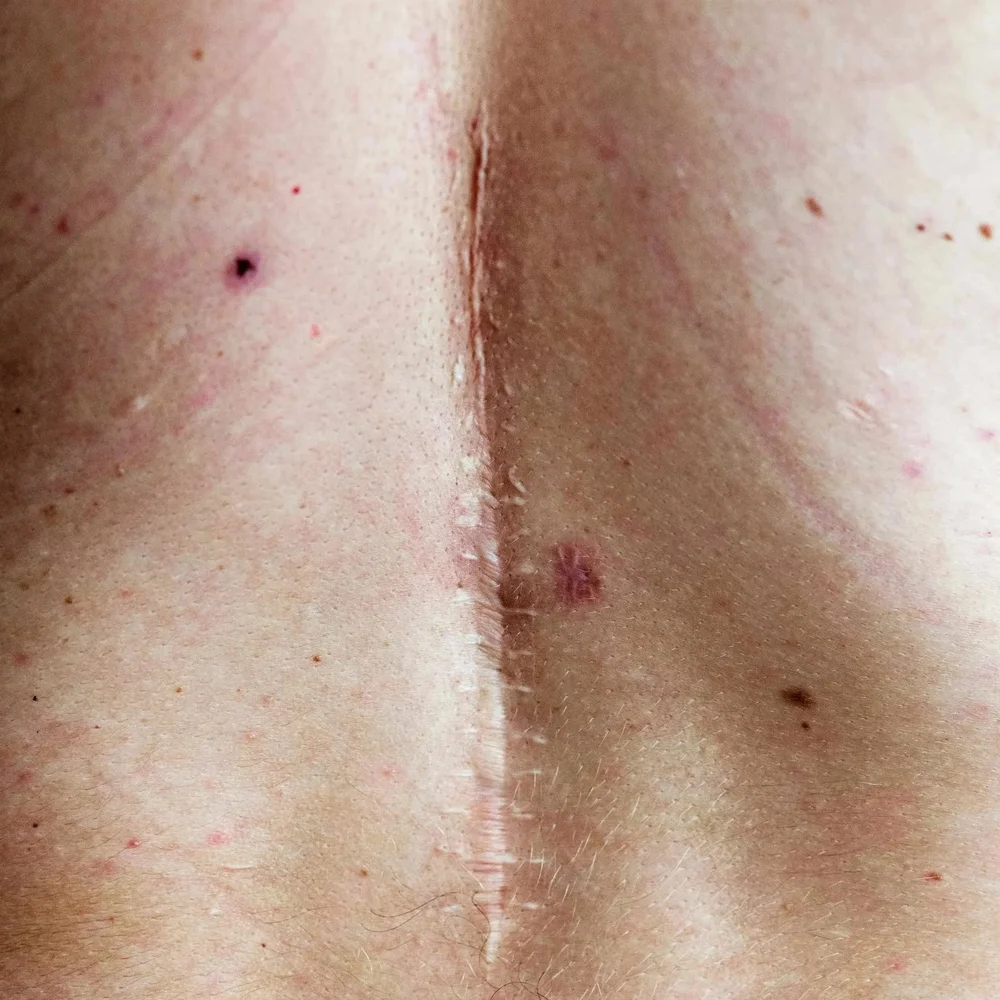
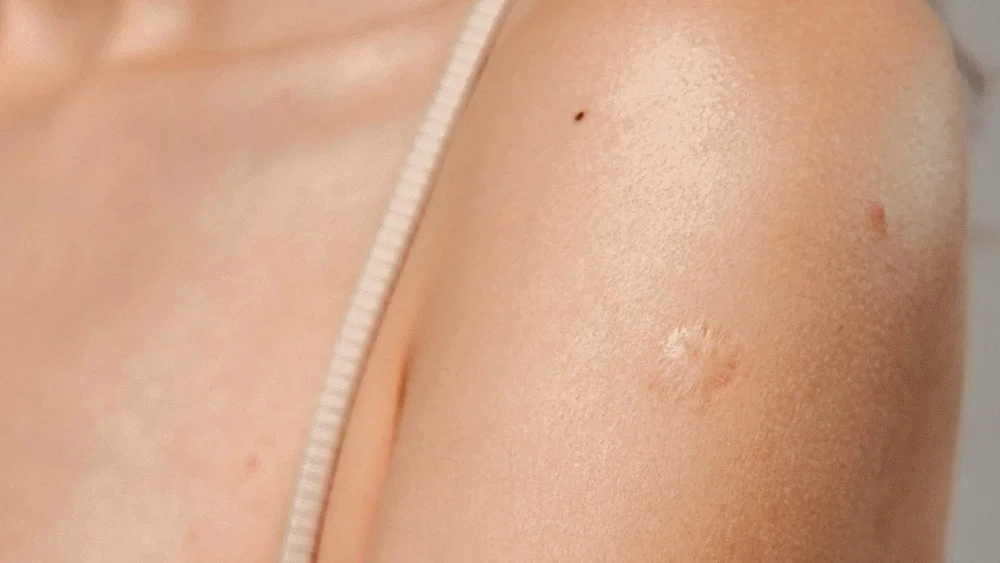
Stretched or widened scars
Scars that spread after surgery, often on the back, shoulders and chest, where skin is under tension. They can usually be narrowed, though tension can stretch them again.
Raised and keloid scars
Thick scars that rise above the skin. A raised (hypertrophic) scar stays within the original wound; a keloid spreads beyond it. More on keloid scars.
Red, brown and pale scars
Red and brown scars usually respond well to laser; scars paler than your skin are the hardest to change.
Acne scars
Rolling, boxcar and ice pick scars need their own approach. See our acne scar treatment page.
One problem, one tool
Scar Removal in Brisbane: Surgical and Laser Options
Each treatment fixes one part of a scar. Most plans use two or three, in an order that suits your scar and your downtime.
Surgical scar revision
Suits: wide, stretched or long scars, scars that sit in the wrong direction, and scars that pull on movement.
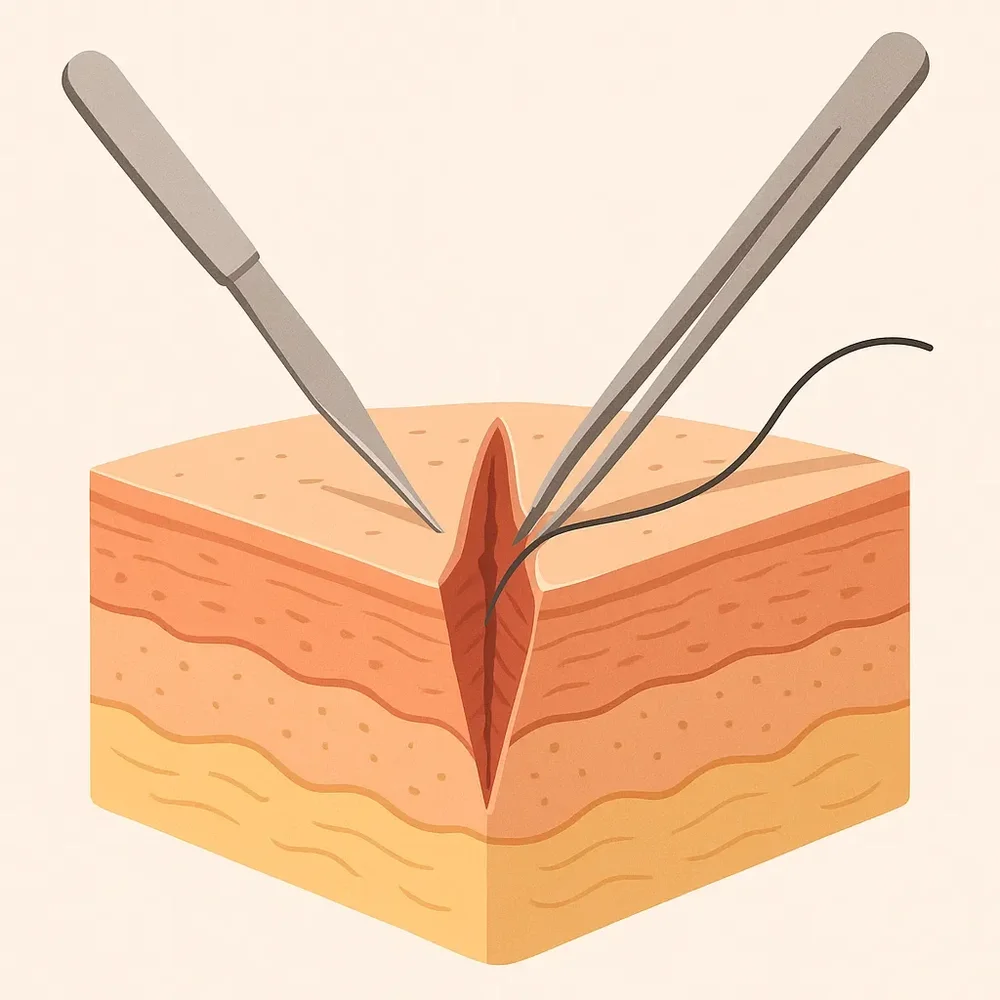
Under local anaesthetic, the scar is cut out and the skin is closed carefully in layers, sometimes re-angled so the new line sits along your natural skin creases. You trade the old scar for a new, finer one. Stitches come out after about 5 to 7 days on the face and 10 to 14 days on the body, and laser is often used afterwards to blend the new line.
Subcision
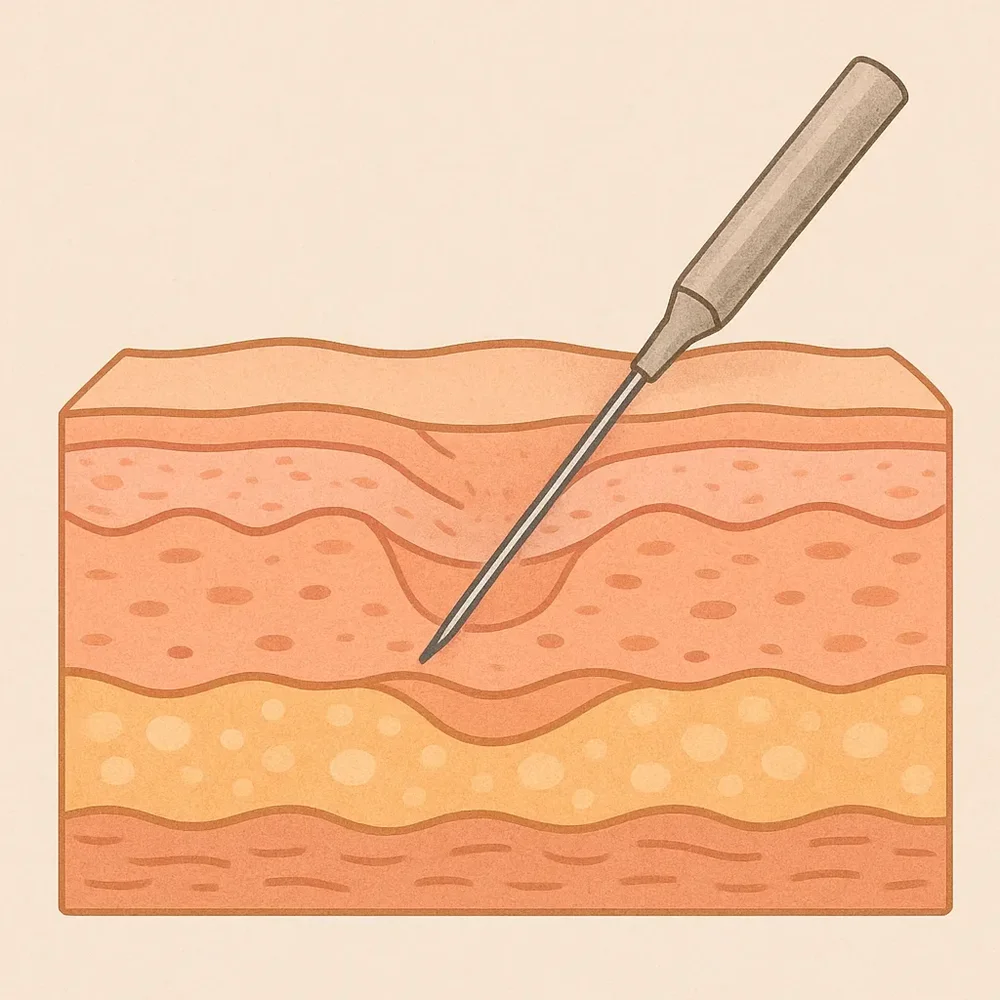
Suits: sunken scars that are stuck down to the tissue underneath.
Under local anaesthetic, a fine needle releases the bands holding the scar down so the skin can lift. Expect bruising for about 1 to 2 weeks.
CO2 laser resurfacing
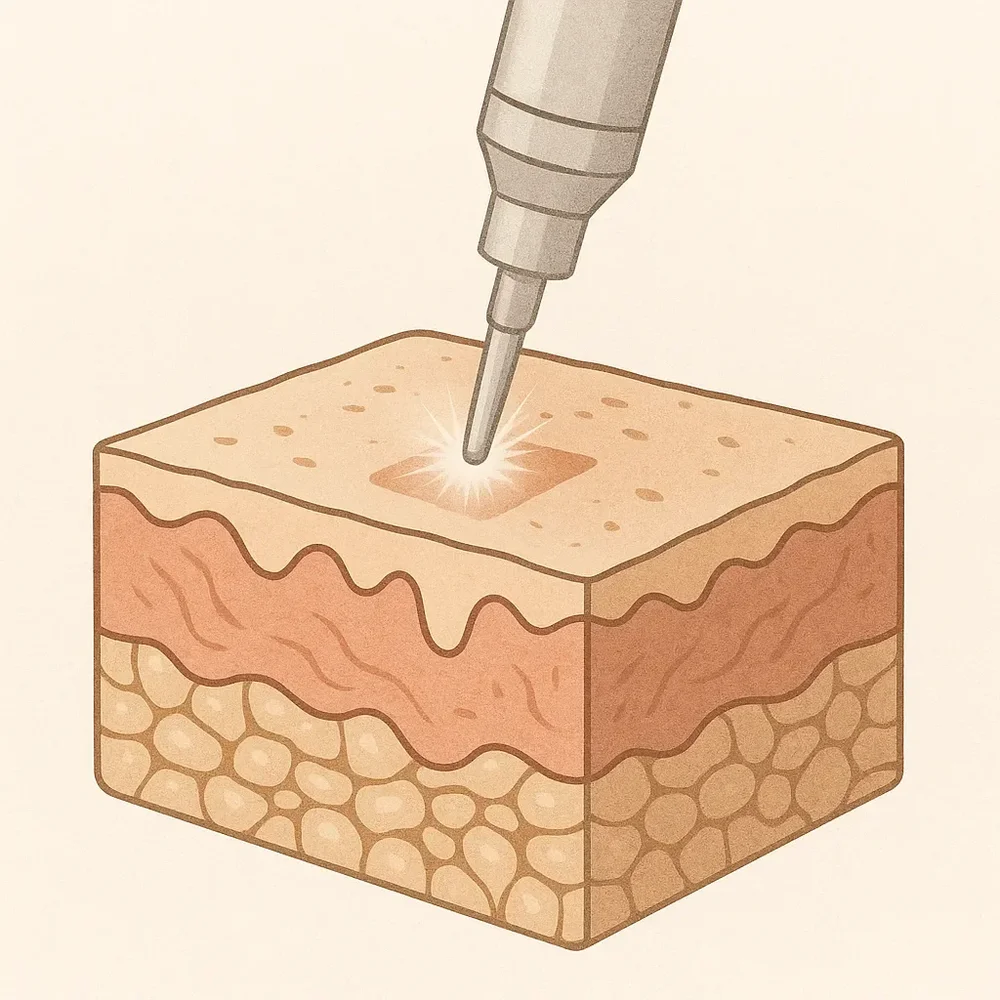
Suits: uneven, rough or lumpy scar surfaces, scar edges that catch the light, and thick or tight scars, including burn scars.
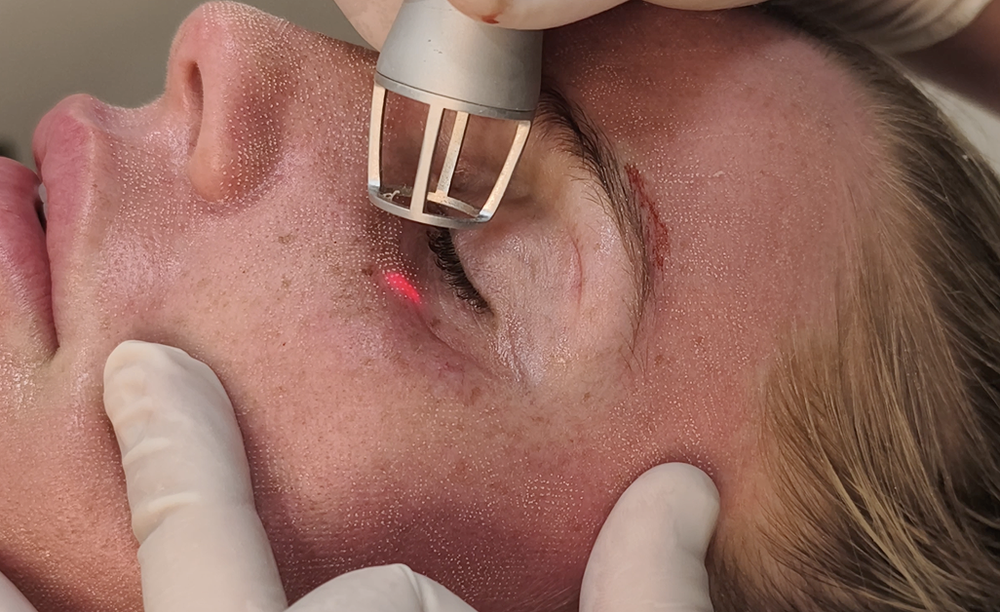
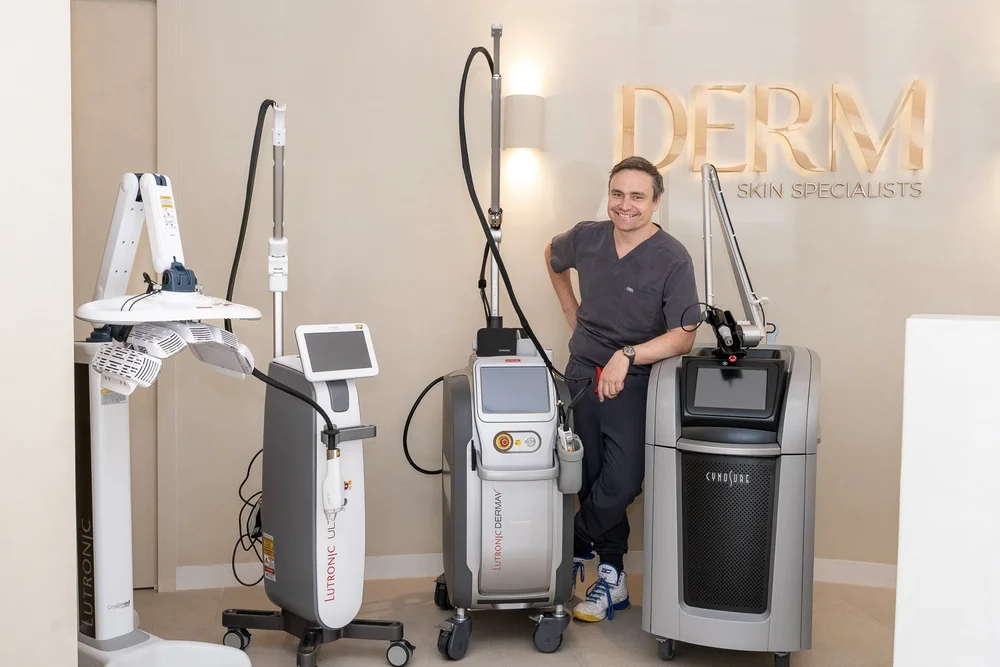
A fractional CO2 laser makes tiny columns of controlled injury that soften the scar and trigger new collagen. Fractional treatment heals in about 5 to 7 days, full-field in about 2 weeks. Scars often need 2 to 4 sessions, a few months apart. At DERM Skin Specialists, CO2 laser is always performed by Dr Mitch, using the Lutronic eCO2 or Candela CO2RE. More on CO2 laser.
Vascular laser for red scars
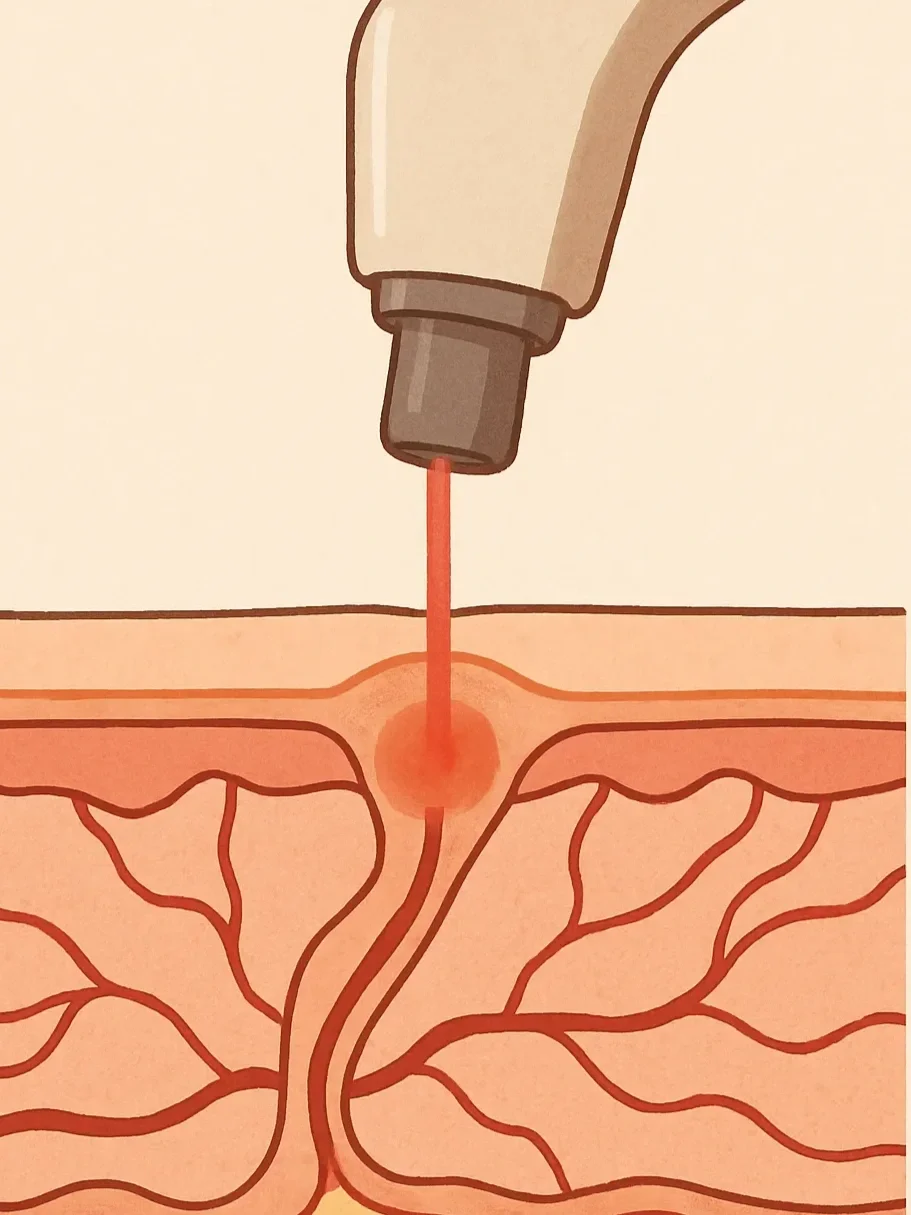
Suits: pink, red or purple scars, and new scars that are still settling.
The DermaV laser targets the small blood vessels that keep a scar red. Expect mild redness for a few hours to 2 days. Usually 2 to 4 sessions, about 4 to 6 weeks apart. More on DermaV.
Pico laser for brown scars
Suits: scars that have darkened, and brown marks around a scar.
The PicoSure Pro laser breaks up pigment with very short pulses. Usually 3 to 6 sessions, 4 to 8 weeks apart. More on PicoSure Pro.
Flattening raised scars
Suits: thick, raised, itchy or tender scars and keloids.
Raised scars are flattened gradually with in-clinic treatments about 4 to 6 weeks apart, often with vascular laser. Larger ones may be removed surgically, with follow-up to reduce the chance of return. More on keloid scars.
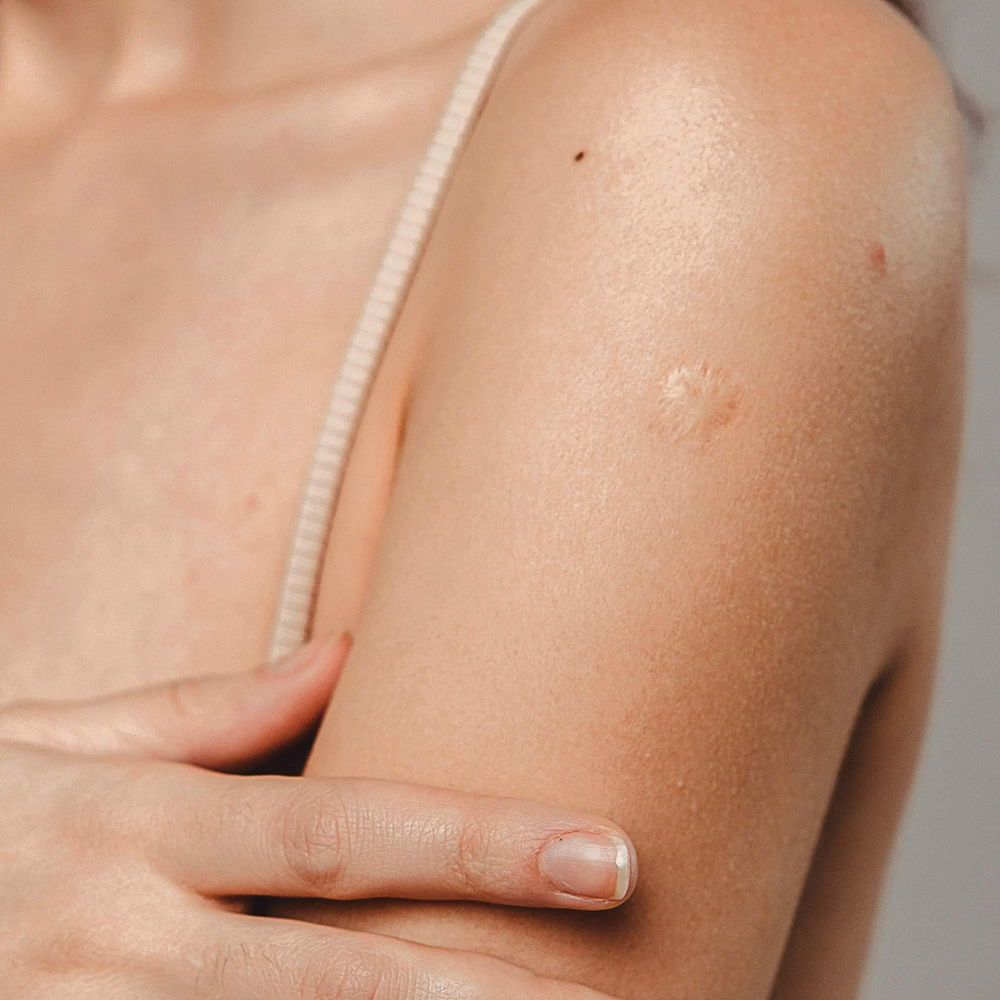
Erbium laser
Suits: shallow scars and rough texture, especially if you want a shorter recovery.
Our Sciton Contour erbium laser removes very thin layers of skin with less heat than CO2, so it heals faster but tightens less. Performed by our dermatologists. More on erbium laser.
Quick guide: which treatment for which scar problem
How Soon Can a Scar Be Treated?
Earlier than many people think. A new scar is usually reddest and firmest at about 2 to 3 months, then fades and softens for a year or more.
Early treatment. Vascular laser for redness, and gentle fractional laser, can start within weeks of surgery once the wound has closed. In a randomised trial of 30 people having skin surgery, half of each scar had gentle fractional laser three times in the first 6 weeks; those halves were a little less red and more supple at 3 months. The change was subtle and follow-up short (British Journal of Dermatology, 2018).
Waiting can be better for surgery. Re-closing a scar is usually done once it has matured, often 6 to 12 months on, because many scars improve by themselves. Growing, itchy raised scars are treated sooner.
If you've just had a skin cancer operation, ask us early: planning scar care from the start helps.
Timing guide
- New, red scar: vascular laser from a few weeks
- Healing surgical scar: silicone and sun protection from stitch removal
- Raised, growing scar: treat early
- Wide or stretched scar: surgery once matured, often 6–12 months
- Old, settled scar: any time
It's rarely too late
How Do You Get Rid of Old Scars?
Old scars can't be erased, but scars that are years or decades old can often still be improved, and the change tends to last.
An uneven or shiny surface usually responds to CO2 or erbium laser. A wide or awkwardly placed scar may be cut out and re-closed. A sunken, stuck-down scar can be released with subcision. Red or brown scars respond to vascular or pico laser.
White scars are the exception. A scar paler than your skin has lost its pigment cells, and no laser reliably brings colour back. Fractional laser can help it blend a little, and we'll tell you if the change isn't worth the cost.
Can Laser Help Burn Scars?
Often, yes. Fractional CO2 laser is widely used by burns units to soften thick, tight burn scars and ease itch, usually over several sessions a few months apart. Vascular laser helps redness.
What the research says. An Australian burns unit at Concord Hospital in Sydney followed people treated with fractional CO2 laser for burn scars and reported improvements in scar thickness, texture and colour, itch, pain and quality of life (Burns, 2017). Fractional CO2 for burn scars isn't currently Medicare-funded.
Burn scars that limit movement may need a burns or plastic surgery team as well; we'll refer you if so.
Do Scar Creams, Silicone and Oils Work?
Silicone gel or sheets are the usual home treatment for new and raised scars, worn for several months once the wound has closed. The evidence is weaker than many people expect: a Cochrane review found the trials were mostly small and of poor quality, so the benefit is uncertain (Cochrane Review, 2013). They are low risk, so we often still suggest them for new scars.
Bio-oil, rosehip oil and vitamin E are popular, but there's little good evidence they improve the scar itself.
Creams can't remove scar tissue, lift a sunken scar or narrow a wide one. If a scar has looked the same for a year despite home care, it's time to look at in-clinic treatment.
Scar Care at Home
- SPF 50+ on the scar every day, all year in Brisbane
- Silicone gel or sheets for new scars
- Gentle massage once the wound has healed
- Not picking or scratching a healing scar
- Taping a new scar if we advise it
What to Expect During Scar Revision
From your first visit to your final review, here's how scar revision works at DERM Skin Specialists.
Your Scar Revision Consultation
A dermatologist examines your scar in different lighting, checks its height, colour, texture and width, asks how it formed and how it affects you, and takes photos. You get a written plan with the order of treatments and the total cost.
Scar Revision Treatment Day
Treatments are done in our rooms under numbing cream or local anaesthetic, and you go home the same day with an aftercare sheet. Some plans combine two treatments on one day, such as surgery and laser, or subcision and laser.
Your Scar Revision Review
Scars keep remodelling for months, so we review you between treatments and compare photos taken in the same lighting. If something doesn't heal as expected, you come back to us.
Does Scar Revision Hurt?
Most people find it more uncomfortable than painful. Surgery and subcision are done under local anaesthetic, so after a brief sting as the area is numbed you feel pressure rather than pain. Vascular and pico laser feel like a rubber band flick.
For larger CO2 treatments, pain relief is planned in layers: numbing cream for about an hour, extra pain relief about 30 minutes before, then local anaesthetic nerve blocks and local anaesthetic into the treatment area, with a further option on the day if needed. Afterwards the skin feels hot and tight, like sunburn, for a day or two. After a large or full-face treatment, someone needs to drive you home.
What we check before treatment
- How and when the scar formed
- Whether you form raised scars or keloids
- Your skin type and any recent tan
- Cold sores, if we're treating near the mouth
- Your medicines and any bleeding problems
- Upcoming events, travel and time off work
Scar Treatment for Darker and Olive Skin
Scars can be treated in every skin type, but olive, Asian, Middle Eastern, Indian, Pacific Islander and darker skin is more likely to develop brown marks after laser or surgery, and more likely to form raised scars and keloids.
We reduce the risk with gentler laser settings over more sessions, a test area when it helps, skin preparation, and no treatment on tanned skin. Brown marks usually fade over a few months and can be treated.
Tell Us Before Scar Revision If You
- Tan easily or rarely burn
- Have had brown marks after spots, burns or cuts
- Have had a raised scar or keloid before
- Have had a reaction to a previous treatment
Scar Revision Risks, and How We Reduce Them
All procedures carry risks. Here are the main ones and what we do about each.
Common, Short-Term Side Effects of Scar Revision
- Redness, swelling and bruising. Expected after most treatments. We plan around your work and social life.
- Brown marks after laser. More likely in olive and darker skin. We adjust settings, prepare your skin and insist on sun protection.
- A new scar after surgery. Surgical revision swaps one scar for another. We only suggest it when the new line is likely to look better than the old one.
- Less change than hoped. Some scars, especially pale ones, change less. Your plan sets out what is realistic before you start.
Less Common Scar Revision Risks
- Infection, including cold sore flare-ups. We check your history, use careful wound care and plan your treatment around it.
- Raised scars coming back. More likely in people who form keloids. We follow up after surgery and treat early if the scar starts to thicken.
- The scar stretching again. Common in high-tension areas such as the back and shoulders. We close in layers and may suggest taping.
- Lighter patches of skin. Rare, mostly after deep resurfacing. We use fractional settings in most plans.
If something doesn't heal as expected, you come back to us. Call the clinic and we'll see you here. Complications are reviewed by your dermatologist rather than leaving you to sort it out elsewhere.
Recovery and Downtime After Scar Revision
Downtime depends on the treatment and how deep it goes:
- Vascular or pico laser: mild redness for a few hours to 2 days, sometimes bruising
- Fractional CO2 or erbium laser: redness, swelling and flaking for about 3 to 7 days
- Full-field CO2 laser: about 2 weeks to heal, then pinkness for weeks
- Subcision: bruising and swelling for about 1 to 2 weeks
- Surgical revision: stitches for about 5 to 7 days on the face and 10 to 14 days on the body
Most people take a few days off after resurfacing, subcision or surgery. Avoid sun, swimming and hard exercise while the skin heals, and use SPF 50+ on the scar for months afterwards.
Before an event. Allow about a week after vascular or pico laser, at least 2 weeks after surgical revision (and ideally a few months, while the new line fades), at least 4 weeks after fractional CO2 or subcision, and at least 8 weeks after full-field CO2.
When to Call Us After Scar Revision
- Increasing pain, heat or swelling after the first 2 days
- Yellow crusting, pus or a fever
- A wound that opens or bleeds and won't stop with firm pressure
- Blisters or clusters of sores, which can be a cold sore flare
- A scar that is getting thicker or darker instead of settling
Call 07 3487 1414. Outside hours, see your GP or go to an emergency department.
How Much Does Scar Revision Cost in Brisbane?
A specialist consultation starts from $395. Scar revision by a dermatologist is priced on assessment, because the cost depends on the size and number of scars and which treatments you need.
At your consultation you get a written plan with the total cost of the whole course, not just one session. That's the number worth comparing between clinics.
Nurse-led colour treatment. If your scar mainly needs its colour treated, this can often be done by our cosmetic nurses, who are Registered Nurses, under dermatologist supervision at set prices: DermaV vascular laser from $350 a session and PicoSure Pro from $400 for a small area. See fees.
Does Medicare cover scar revision?
Sometimes. Surgical revision by a specialist can attract a partial Medicare rebate if it meets criteria based on the scar's size and position, and for some scars, photos showing clinical need. Non-fractional CO2 or erbium resurfacing of severely disfiguring face or neck scarring after injury, burns or acne may also qualify. Fractional, vascular and pico laser for scars aren't covered. We'll tell you at your consultation whether any part of your plan qualifies and what your out-of-pocket cost will be.
No referral is needed to book, but a valid referral, usually from your GP, is needed for any Medicare rebate on the consultation.
Your dermatologist
Your Scar Revision Dermatologist: Dr Mitch Robinson, FACD
Specialist Dermatologist · Mount Gravatt, Brisbane
Dr Mitch plans complex scar treatment and performs surgical revision and all CO2 laser himself. Dr Emily Shao and Dr Benny Yau, also specialist dermatologists, treat scars too, including with laser. Laser for scar colour may be done by our cosmetic nurses under supervision.
- Fellowship training in complex scarringPlus cutaneous oncology and laser surgery
- Teaches laser to dermatologistsLectures on laser protocols and safety in Australia and Asia
- Skin surgery and laser under one roofSo surgery and laser are planned together
Dr Mitch is a clinical presenter and Signature Partner for Cynosure Lutronic, a laser manufacturer. Meet Dr Emily Shao and Dr Benny Yau.
Mount Gravatt, Brisbane
Scar Revision in Mount Gravatt
DERM Skin Specialists is at 2/1437 Logan Road, Mount Gravatt, about 15 minutes' drive from the Brisbane CBD, with free parking onsite. Patients come from across Brisbane's southside, including Upper Mount Gravatt, Mansfield, Wishart and Eight Mile Plains, and beyond.
Common Questions
Scar Revision: Common Questions
Is laser or surgery better for my scar?
It depends on the problem. Laser suits colour and texture; surgery suits scars that are wide, stretched or badly placed. Many plans use both.
How long after surgery can I start treating my scar?
Silicone and sun protection can start once the stitches are out, and vascular laser often within weeks. Surgical revision usually waits until the scar has matured, often 6 to 12 months.
Is it too late to treat a scar I've had for years?
Usually not. Old scars can often still be made smoother, flatter or narrower.
Will scar revision surgery leave a new scar?
Yes. Surgery swaps the old scar for a new, finer line in a better position. We only suggest it when the new scar is likely to look better.
How many treatments will I need?
Most scars need 2 to 4 treatments, often of different types, over several months. Burn scars and large scars often need more.
Can you treat burn scars from childhood?
Yes. Old burn scars can often be softened with fractional CO2 laser over several sessions. Scars that limit movement may need a plastic surgeon as well.
Can a white or pale scar be fixed?
Pale scars are the hardest to change. Laser can help them blend, but the colour rarely returns.
Can you treat raised scars and keloids?
Yes, with in-clinic flattening treatments, laser and sometimes surgery. More on keloid scars.
Do you treat acne scars?
Yes, with a different mix of treatments. See our acne scar treatment page.
Can you treat caesarean and other body scars?
Yes. Body skin heals more slowly, so laser settings are gentler and recovery takes a little longer.
Is scar revision covered by Medicare or private health?
Some surgical revision and some non-fractional laser for severe scarring may attract a partial Medicare rebate. Most laser scar treatment isn't covered. We'll tell you at your consultation.
Do I need a referral?
No referral is needed to book. A valid referral, usually from your GP, is needed for a Medicare rebate on your consultation.
Who will do my treatment?
A specialist dermatologist plans it. Dr Mitch performs surgical revision and all CO2 laser. Laser for scar colour may be done by our Registered Nurses under supervision.
How long before an event should I book?
Allow at least 2 weeks after surgery, 4 weeks after fractional CO2 and 8 weeks after full-field CO2. Ideally, allow 3 months.
Can I have scar treatment in summer?
Yes, with strict sun protection. Many people book deeper laser in Brisbane's cooler months.
What should I bring to my consultation?
Details of the surgery or injury, any earlier scar treatments, photos of the scar over time if you have them, and a list of your medicines.
Why do scar results vary so much between people?
Scars differ in cause, age, position and skin type, and some people form thicker scars than others. Ask any clinic what they expect for your scar specifically.
Find Out What Can Be Done for Your Scar
Book a consultation with a specialist dermatologist. We'll look at your scar's height, colour, texture and width, explain what treatment can and can't do, and give you a written plan with the total cost before you decide.
Not ready to book? Send us photos first for a consult and price guide.
Clinical content overseen by Dr Mitch Robinson, FACD (AHPRA MED0001946771). Updated October 2026. General information only, not medical advice. All procedures carry risks; suitability, recovery and results vary between individuals.