
Hyperhidrosis
Understanding Hyperhidrosis
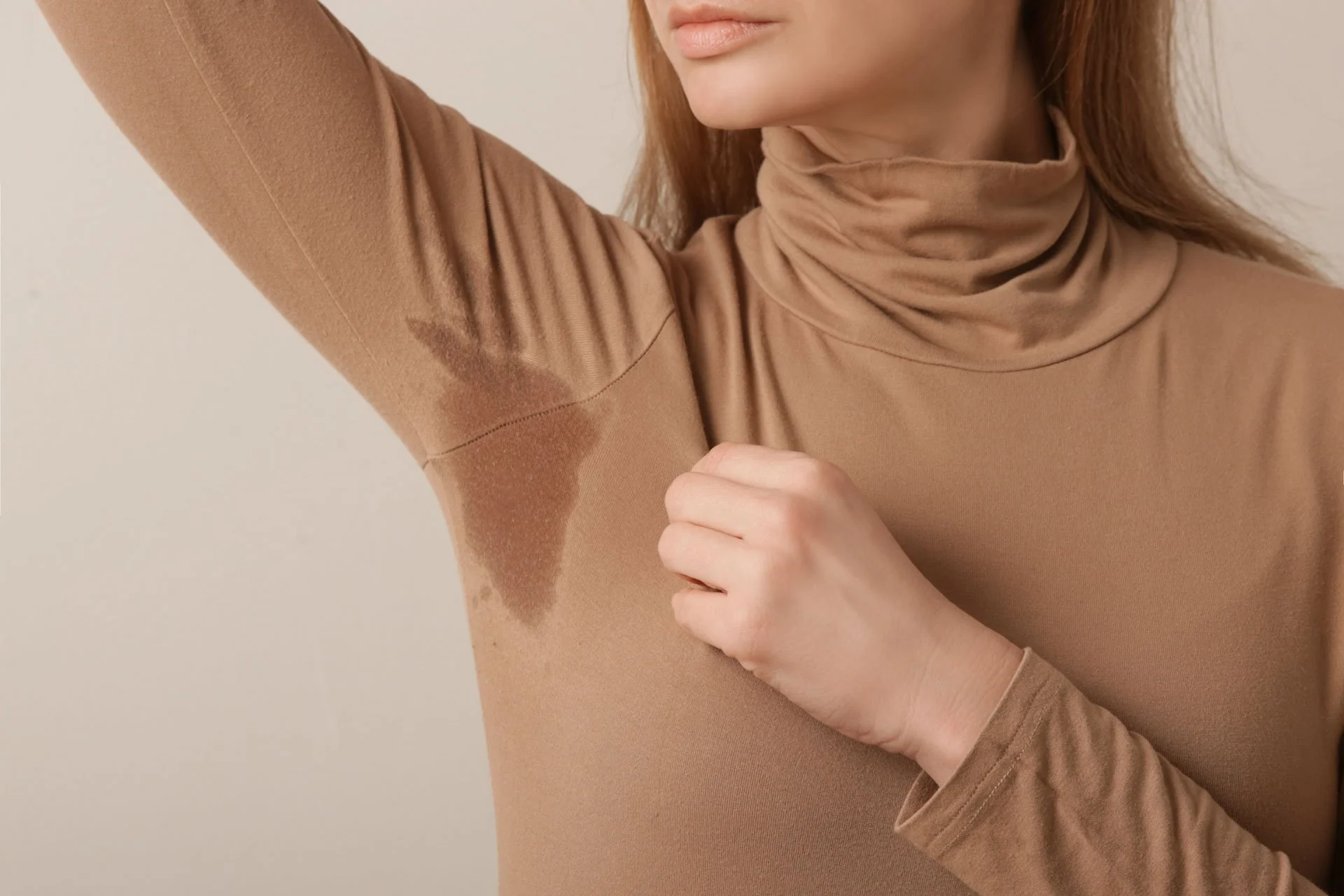
Hyperhidrosis means sweating that is excessive for the situation. It commonly affects:
• Underarms, also called axillary hyperhidrosis
• Palms, also called palmar hyperhidrosis
• Soles, also called plantar hyperhidrosis
• Face and scalp
Primary hyperhidrosis is usually localised, often starts earlier in life, and can run in families.
Secondary hyperhidrosis is sweating driven by another factor such as medications, hormonal changes, or medical conditions. This is why a proper history matters before treatment.

At a glance

Treatment
Prescription injection treatment for focal hyperhidrosis

Downtime
No downtime

Costs
From $495 per treatment. Medicare rebates may apply when eligible

Approach
Assess first, then map the area and treat to your sweating pattern

Concern
Excessive underarm sweating, axillary hyperhidrosis

Course
Single sessions, with 4-6 months results
Dr Mitch’s Take
Excess sweating can be a mild annoyance, or it can be genuinely disruptive. The first step is working out what type of sweating you have. Some people sweat more because of heat, stress, fitness, medications, or hormonal factors. Others have primary hyperhidrosis, where the sweat glands are simply overactive in a specific area, most commonly the underarms, hands, feet, or face.
Bottom line, if the problem is focal underarm sweating, prescription injection therapy is the most predictable option we have for day-to-day control.
The reason I’m careful about assessment first is simple: sometimes sweating is a symptom of an underlying medical issue. If you skip that step and go straight to a procedure, you can miss the real driver. A dermatologist is trained to sort out what you’re dealing with, and then match treatment to the pattern and severity.

What the journey looks like at
Derm Skin Specialists
01
Initial assessment
A consultation with a dermatologist to confirm the pattern of sweating, assess severity, and check for signs of an underlying or secondary cause.

02
Personalised treatment plan
A stepwise approach based on the areas affected and how much sweating is impacting your day-to-day life.
03
Treatment & follow-up
Targeted treatment followed by review appointments to assess response and plan longer-term control.
How hyperhidrosis is managed at
Derm Skin Specialists
01
Confirm what we are treating
We map the main areas, clarify triggers, and make sure there isn’t an underlying cause that needs a different approach.
02
Match treatment to the area
Underarms, palms, soles and face behave differently. Underarms are often the most predictable area to treat.
03
Topical option
For milder sweating, we may start with targeted topical antiperspirant strategies. These can be useful, particularly for underarms, but some patients find irritation limits ongoing use.
04
Oral medications, in selected cases
For some patients, oral medications can reduce sweating. In practice, a lot of patients don’t stay on them long-term because side effects can be limiting, commonly dry mouth, dry eyes, or constipation. This is why they’re usually considered selectively, and only after discussing whether the likely benefit outweighs the downsides for your situation.
Prescription injection treatment for underarm hyperhidrosis
At DERM Skin Specialists, focal underarm hyperhidrosis is most commonly treated with prescription injection therapy. This is a targeted, in-clinic procedure designed to reduce sweat gland activity in the treated area.
Treatment is mapped to your sweating pattern and the appointment usually takes around 15–20 minutes. Discomfort is usually brief and well tolerated, with a sting at each injection point. If you’re worried about discomfort, a topical numbing cream can be used, but it needs to be applied at least one hour before treatment to be effective. Most patients don’t need it.
Downtime is minimal. Most patients go straight back to normal activities the same day. You may have short-lived tenderness, small injection marks or mild bruising that settles over a few days. We usually recommend avoiding vigorous exercise, saunas, and very hot showers for the rest of the day.
Most patients notice improvement within days, with the full effect usually within one to two weeks. Results commonly last around four to six months, and many people repeat treatment two to three times per year to maintain control.
Side effects are usually mild and temporary. Less commonly, temporary weakness in nearby muscles can occur. Infection is very uncommon. We discuss risks and suitability beforehand.
What results to expect
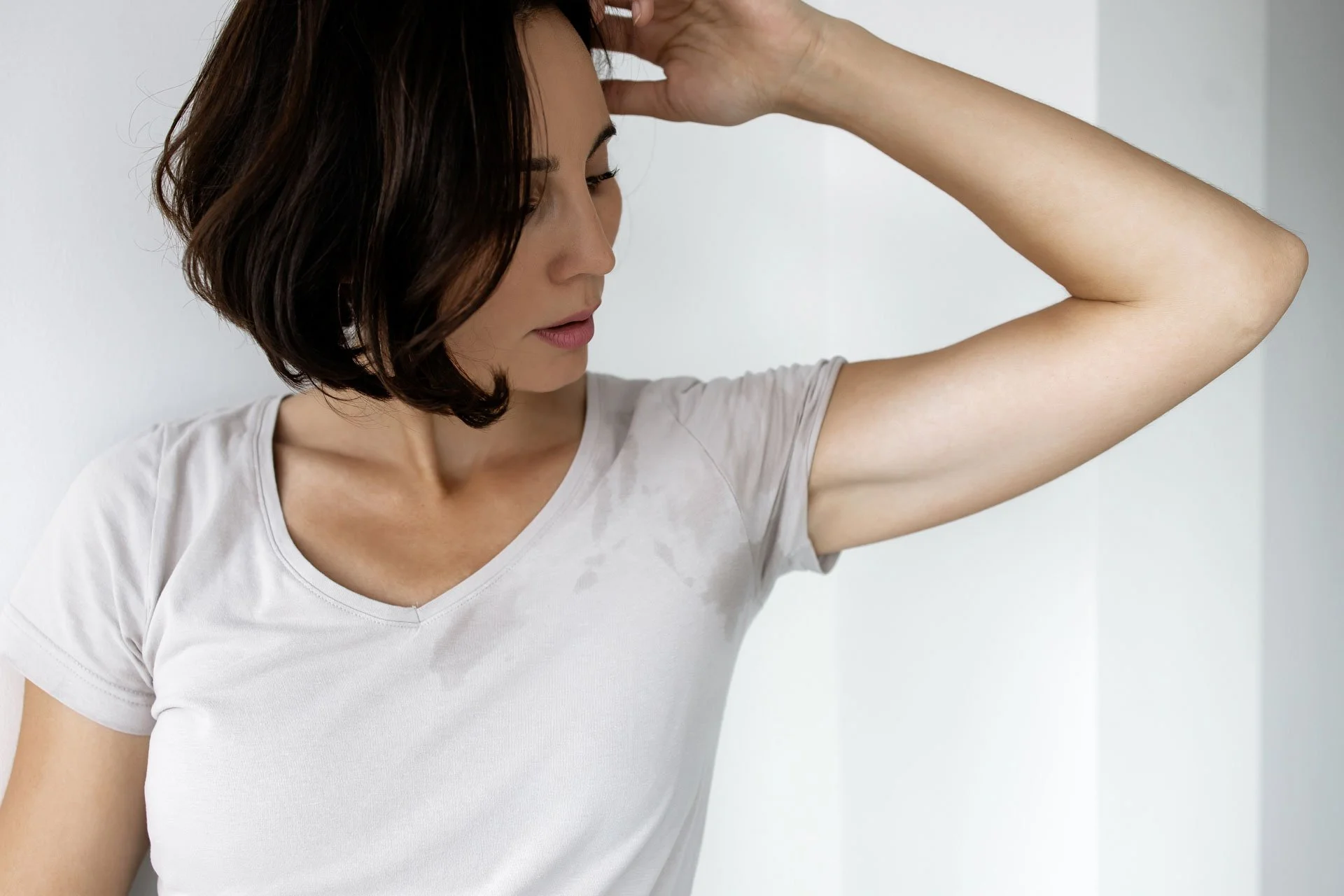
When treatment works well, most patients notice a significant reduction in sweating and a big improvement in day-to-day comfort. The effect is not permanent, so maintenance treatment is often needed over time.
Results vary depending on the area treated and individual response. Palms and soles can be treated, but they are more sensitive and response can be more variable compared with underarms.
Medicare & cost
In many cases, Medicare rebates may apply for hyperhidrosis treatment when there is a medical indication and treatment is provided by a dermatologist, using the appropriate specialist Medicare items. This can make a meaningful difference to out-of-pocket cost compared with treatment delivered in cosmetic settings.
Not sure where to start?
The best place to begin is a dermatology consultation. This allows us to confirm the diagnosis, check for secondary causes where relevant, and discuss which treatment pathway is most appropriate for you.
Our Most Commonly Asked Questions
Medical disclaimer
This page is general information only. Suitability, expected outcomes and Medicare eligibility depends on individual assessment.
-
Yes. Underarm sweating, auxilary hyperhidrosis, is one of the most predictable areas to treat.
-
Yes, but hands and feet are more sensitive and response can be more variable compared with underarms.
-
For many patients, results last months and are commonly repeated a few times per year to maintain control.
-
For severe primary auxiliary hyperhidrosis, Medicare rebates can apply when eligibility criteria are met.