
Keloid & Raised Scar Treatment · Mount Gravatt, Brisbane
Keloid Scar Treatment in Mount Gravatt, Brisbane
Dermatologist-led treatment for keloids and raised (hypertrophic) scars on the chest, shoulders, back, jaw and earlobes. We flatten the scar, ease the itch and plan from day one to lower the chance of it coming back.
Specialist consults from $307 after Medicare rebate (with a GP referral; fee from $395) · Treatment price on assessment, confirmed in writing before you start · No referral needed to book · See fees
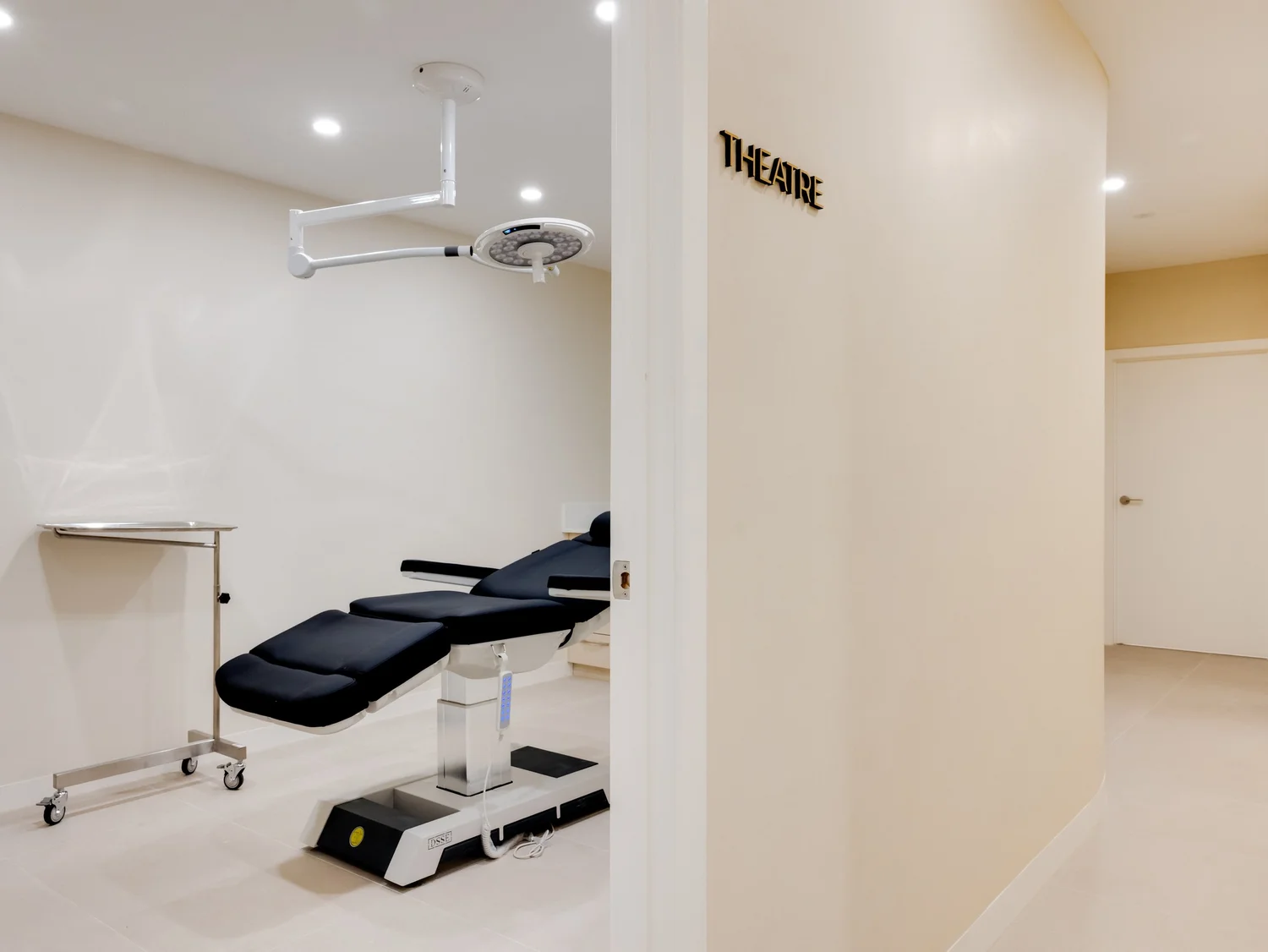
A dermatologist-led clinic, founded by Dr Mitch Robinson, FACD, who has fellowship training in complex scarring and teaches laser to dermatologists and registrars.
Meet Dr MitchKeloid Treatment at a Glance
Keloid Before and After Photos
Patients of DERM Skin Specialists with earlobe keloids, photographed before and after surgical revision. More on ear keloid treatment.
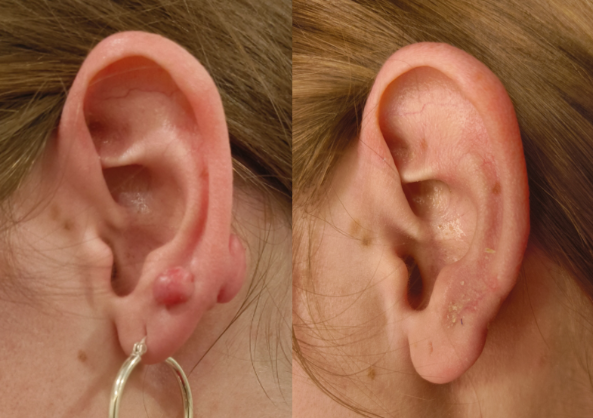 BeforeAfter 4 weeks
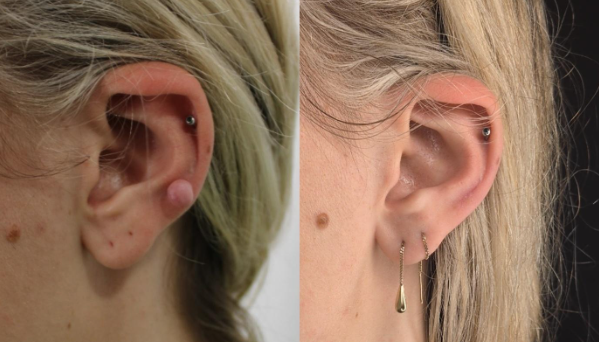 BeforeAfter 3 months
Before photo on the left in each pair. Tap a photo to see it larger. Individual results vary. Results depend on the size and site of the keloid, your skin and how you heal, and keloids can come back after treatment. All procedures carry risks; see the risks section below.
Send Us Photos of Your Keloid Scar
Want to know which treatment suits your keloid and roughly what it costs? Fill in a short form, then reply to our text with a few photos. We'll be in touch ASAP about the right consult and a price guide.
Photo tips: one close-up and one from further back so we can see the size and where it sits. Normal room light is fine, no filters.
Photos help us guide you but don't replace a consultation. Price guides are estimates; your exact costs are confirmed at your consult. For adults 18 and over. Photos are stored securely by our messaging provider, Podium, which may store data outside Australia.
Can a Keloid Be Removed for Good?
The short answer: a keloid can usually be made flatter, softer, paler and less itchy, but no treatment can promise it will never come back. Cutting a keloid out on its own often leads to a bigger one. Combining treatments, and following up for months afterwards, gives the lowest chance of it returning.
A keloid is a firm, raised scar that keeps growing past the edges of the original injury. It can follow an ear piercing, acne, surgery, a burn, a cut or even a vaccination, sometimes months later. Keloids are not cancer, but they can itch, ache, catch on clothing and change how you feel about your skin.
At DERM Skin Specialists in Mount Gravatt, keloids are assessed and treated by our specialist dermatologists. We see patients from across Brisbane's southside, including Holland Park, Carindale, Sunnybank and Eight Mile Plains.
Worth booking if your scar
- Is growing, or spreading past the wound
- Itches, aches or feels tender
- Came back after being cut out
- Is on the chest, shoulder, back or earlobe
- Appeared without an injury you remember
A lump that looks like a scar but had no injury, or one that is changing quickly, should be checked. Some skin cancers can look like scars.
Flatten. Prevent. Blend.
What Results Can You Expect From Keloid Treatment?
Most people can expect a scar that is flatter, softer, less itchy and often less red. Itch tends to improve first; flattening takes several visits over a few months. A treated keloid rarely looks like untouched skin. The aim is a scar that is hard to notice and no longer bothers you.
Hypertrophic scars usually respond faster than keloids. Large keloids on the chest, shoulders and upper back are the hardest to treat.
What the research says. A 2026 review of 106 studies covering more than 10,700 keloids found that when keloids were cut out and then treated with radiotherapy, about 14 to 18% came back, depending on the type of radiotherapy (Journal of Plastic, Reconstructive & Aesthetic Surgery, 2026). A second 2026 review found the body site mattered more than the radiotherapy dose: keloids in low-tension areas such as the earlobe were about 70% less likely to return than those in high-tension areas like the chest and shoulders (Strahlentherapie und Onkologie, 2026).
Inside the line, or past it
Keloid or Hypertrophic Scar: What's the Difference?
Both are raised scars caused by too much collagen. Telling them apart matters, because they behave differently and need different plans.
Hypertrophic scar
- Stays within the wound. Raised, but follows the line of the cut, burn or spot.
- Appears early. Usually within weeks of the injury.
- Often settles. Many flatten on their own over 12 to 18 months.
- Responds well. Pressure, silicone and in-clinic treatment usually work, and they rarely come back.
Keloid
- Grows past the wound. Spreads into normal skin, often in a claw or dumbbell shape.
- Can appear late. Sometimes months after the injury, and after a very small one.
- Rarely shrinks on its own. Many slowly keep growing.
- Often comes back. Especially if it is cut out without other treatment.
Some scars sit between the two. Occasionally a small sample is taken to confirm the diagnosis.
Why Do Keloids Form, and Who Gets Them?
Keloids form when the skin's healing response doesn't switch off. The cells that make collagen stay active long after the wound has closed, so the scar keeps thickening and spreading. Inflammation and stretch on the scar drive this, which is why keloids favour areas under tension.
Anyone can get a keloid, but they are more common in darker skin, often run in families, and peak from the teenage years to about 30. One keloid makes another more likely.
Common triggers include ear and body piercings, acne and ingrown hairs on the chest, back and jaw, surgery (including caesarean and chest scars), burns, tattoos, chickenpox and vaccinations.
You're more likely to form keloids if you
- Have had a keloid before
- Have a parent or sibling with keloids
- Have darker or olive skin
- Are in your teens or twenties
- Have acne on your chest, back or jaw
Tension matters
Keloids on the Chest, Shoulders, Earlobes and Jaw: Does the Site Matter?
Yes. Where your keloid is changes how it's treated and how likely it is to return.
Chest, shoulders and upper back
The most common sites, and the hardest to treat. Skin here is stretched with every breath and arm movement, so keloids spread sideways and come back more often after surgery. We usually start with injections, vascular laser and silicone. Back and chest keloids often follow acne, so getting acne under control stops new ones forming. More on acne scars.
Earlobes
Usually after a piercing, sometimes on both sides of the lobe like a dumbbell. The earlobe is under little tension, so surgery followed by a pressure earring tends to work well. See our ear keloid page for how Dr Mitch treats them.
Jawline and surgical scars
Jaw keloids often start from acne or ingrown hairs. Raised scars after surgery, such as caesarean or chest surgery, are often hypertrophic rather than true keloids, and many respond well when treated early.
Surgery alone isn't enough
Why Can't You Just Cut a Keloid Out?
Because surgery is itself an injury, and a keloid is an over-reaction to injury. When a keloid is cut out with nothing else done, it commonly grows back, and the new keloid can be bigger than the first.
Surgery still has a place for keloids that are large, hanging or on the earlobe, or that haven't responded to injections. But it's one step in a plan: careful technique to keep tension off the wound, then injections, pressure, silicone or, for some keloids, radiotherapy afterwards.
If you've had a keloid cut out before and it came back, tell us what was done and when. It changes what we recommend next. More on scar revision.
Dr Mitch on ear keloids
"Ear keloids, especially 'dumbbell' keloid scars that form after piercings, are relatively common and can be tricky to treat."
"The key is a tailored treatment plan and good compliance with compression therapy to minimise recurrence."
From Dr Mitch's notes on our ear keloid page.
One keloid, several tools
How Are Keloids Treated in Brisbane?
Most plans combine treatments: one to flatten the scar, one to stop it coming back, and sometimes laser for colour or texture.
In-Clinic Injections
Suits: most keloids and raised scars, especially smaller ones.
Medicine is injected directly into the scar to flatten it and calm the itch. Sessions are usually 4 to 6 weeks apart, often over 3 to 6 months, and you can go back to normal activities the same day. Side effects can include thinning of the skin, lighter patches and small visible blood vessels, so we start at a lower dose and adjust it to how your scar responds.
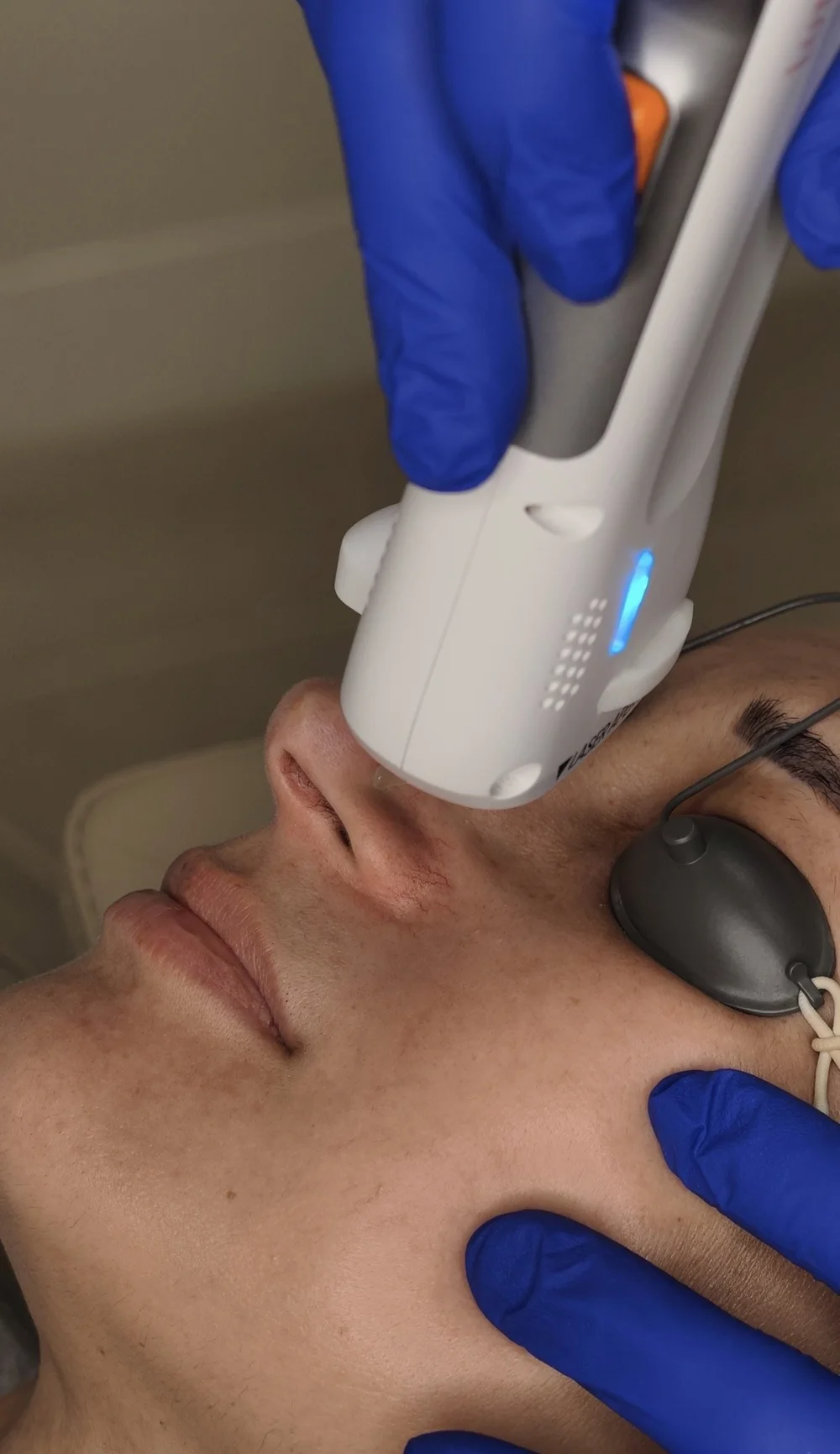
Vascular Laser (DermaV)
Suits: red or purple keloids and hypertrophic scars, itchy scars and scars that are still active.
The DermaV laser targets the small blood vessels that feed a growing scar, fading redness and helping soften it alongside injections. Expect mild redness for a day or two. Usually several sessions, 4 to 6 weeks apart. In a small split-scar study of 20 patients, a 1064 nm Nd:YAG laser (one of the DermaV's two wavelengths) and a pulsed dye laser both improved keloids and raised scars over six monthly sessions, with follow-up of only one month (J Cosmet Laser Ther, 2016). More on DermaV.
Laser sessions are dermatologist-led, or done by our Registered Nurses where your dermatologist plans it (nurse-led DermaV from $350).
CO2 Laser to Blend
Suits: flattened keloids and hypertrophic scars with an uneven or shiny surface.
Once a scar is flat and settled, fractional CO2 laser can smooth its surface so it blends in. It isn't used to remove a keloid. CO2 laser is always performed by Dr Mitch; expect redness and flaking for about 5 to 14 days. More on CO2 laser.
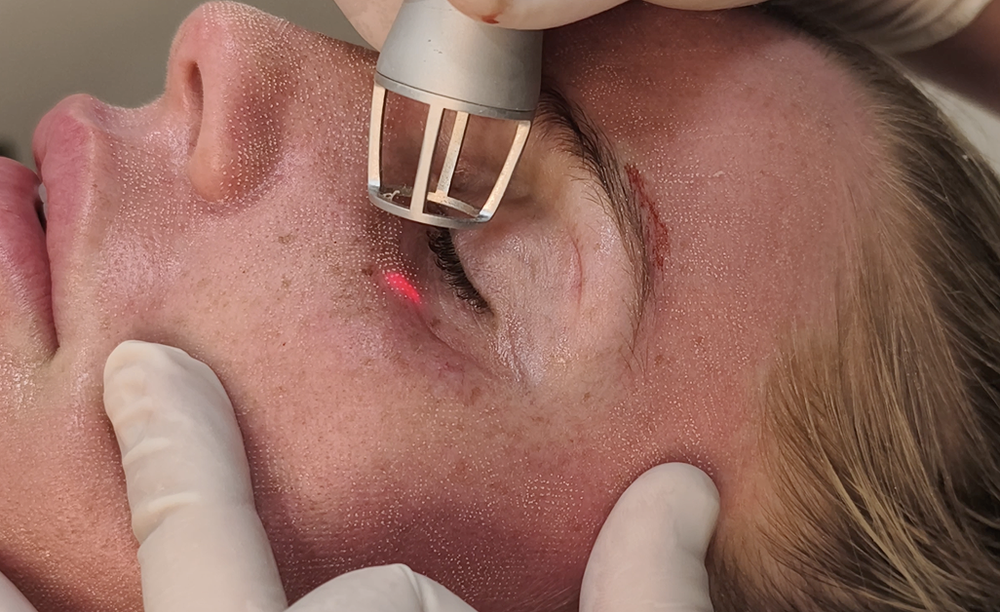
Keloid Surgery
Suits: earlobe keloids, large or hanging keloids, and keloids that haven't responded to injections.
The keloid is cut out under local anaesthetic and closed carefully to keep tension off the wound. Stitches come out after about 5 to 14 days, depending on the site. Surgery is always followed by treatment to lower the chance of return; for earlobes, a pressure earring once healed, usually after about 2 weeks.
Cryotherapy
Freezing the keloid, sometimes combined with injections, can shrink smaller keloids. Expect a blister and soreness for 1 to 2 weeks. It can leave a lighter patch, so it's used with care in olive and darker skin.
Pressure
Steady pressure from earrings, clips, garments or dressings helps flatten scars and stop them returning after surgery. In a study of 88 people who wore custom ear clips for 12 hours a day after ear keloid surgery, 70.5% had no recurrence after an average of 6.5 years (JPRAS, 2016).
Silicone Gel or Sheets
Used at home for several months, usually 12 or more hours a day. A Cochrane review found weak, poor-quality evidence that silicone helps prevent and soften raised scars (Cochrane, 2013). It's low risk and useful as part of a plan, but won't flatten an established keloid on its own.
Radiotherapy After Surgery
For keloids with a high chance of returning, such as large chest keloids or ones that have come back before, we may refer you to a radiation oncologist for a short course of radiotherapy soon after surgery. It lowers recurrence but has its own risks, so it's reserved for selected adults.
What Happens at a Keloid Consultation?
From your first visit to your last review, here's what to expect.
Your Keloid Assessment
Your dermatologist examines the scar, asks how it started and what has been tried, and checks for anything that needs a biopsy. Photos are taken at each visit.
A Written Keloid Plan
You get a plan setting out the treatments, roughly how many visits, and the total cost in writing before you start. If treatment isn't likely to be worth it, we'll tell you.
Keloid Treatment and Follow-Up
Most treatments are done in the clinic and you go home the same day. Reviews continue for months after the scar has flattened, because that's when keloids try to come back.
Does Keloid Treatment Hurt, and What Is the Downtime?
Most keloid treatments are quick and done in the clinic:
- Injections: a sharp sting for a few seconds, with numbing if needed. Back to normal the same day.
- Vascular laser: a quick snapping feeling, with cooling. Mild redness for 1 to 2 days.
- Cryotherapy: stinging, then a blister that heals over 1 to 2 weeks.
- Surgery: under local anaesthetic, so you feel pressure, not sharp pain. Plan on 5 to 7 days of light duties, longer for the chest or back.
- CO2 laser to blend: numbing is used, then redness and flaking for 5 to 14 days.
Keep treated scars out of the sun and use SPF 50+ every day.
Before an event. Allow about 2 weeks after injections, laser or cryotherapy, and about 4 weeks after surgery or CO2 laser.
When to Call Us After Keloid Treatment
- Increasing pain, heat, redness or swelling after the first 2 days
- Pus, yellow crusting, a fever or a wound opening
- Bleeding that doesn't stop after 15 minutes of firm pressure
- A dent, a pale patch, or the scar growing again between visits
Call 07 3487 1414. Outside hours, see your GP or go to an emergency department.
Keloid Treatment in Darker and Olive Skin: What's Different?
Keloids are more common in darker skin, including people of African, Asian, Pacific Islander, Indian and Middle Eastern background.
Treatment works in every skin type, but injections and cryotherapy can leave lighter patches, and laser and surgery can leave brown marks that take months to fade. We choose treatments and laser settings for your skin, start injections at a lower dose and protect the area from sun.
Keloids are also more likely to return in darker skin, so we put extra weight on pressure, silicone and follow-up after surgery.
Tell Us Before Keloid Treatment If You
- Have had keloids before, or family members have
- Get brown or pale marks after cuts or spots
- Have had a reaction to a past scar treatment
- Are pregnant, breastfeeding or planning a pregnancy
Keloid Treatment Risks, and How We Reduce Them
All procedures carry risks. Here are the main ones and what we do about each.
Common Side Effects of Keloid Treatment
- The keloid comes back. The main risk with any treatment. We combine treatments and keep reviewing you after the scar has flattened.
- A dent or pale patch after injections. We start at a lower dose and adjust to how your scar responds.
- Small visible blood vessels. Can follow injections. Vascular laser can treat them.
Less Common Keloid Treatment Risks
- Infection or a wound opening after surgery. Careful technique and review reduce the risk.
- Brown or pale marks. More likely in olive and darker skin. We adjust settings and insist on sun protection.
- Skin changes after radiotherapy. Discussed in detail with the radiation oncologist first.
- A larger keloid after surgery. The reason we never cut a keloid out without a plan to stop it returning.
If something doesn't look right, you come back to us. Call the clinic and we'll see you here. Your dermatologist reviews any problem with your treatment rather than leaving you to sort it out elsewhere.
Honest about recurrence
Will a Keloid Come Back After Treatment?
It can, and you should know that before you start. Keloids can regrow a year or more after treatment. The risk depends on the site, the size, whether it has come back before, your skin and the after-care.
As a rough guide, keloids cut out on their own frequently come back, while adding pressure, injections or radiotherapy after surgery lowers that risk considerably. For larger ear keloids treated with surgery and compression, our ear keloid page describes about an 80% clearance rate. Chest and shoulder keloids return more often than earlobe keloids.
What we do about it. We keep reviewing you after the scar has flattened, so regrowth is caught while it's small. If a keloid does come back, the next step may be a different combination of treatments or a radiotherapy referral.
What you can do. Wear pressure earrings or garments and use silicone as advised, and come to your reviews.
Can I Get a Piercing, Tattoo or Surgery If I Get Keloids?
If you've had a keloid before, any new injury to your skin carries a real chance of forming another. That doesn't rule everything out, but plan ahead.
- Piercings. Avoid re-piercing an ear that has had a keloid. If you still want a piercing, talk to us first.
- Tattoos. Can trigger keloids, especially on the chest, shoulders and upper arms. Talk to us before booking one.
- Planned surgery. Tell your surgeon you form keloids. Silicone, pressure and an early review with us can lower the risk in the new scar.
- Acne. Treat chest, back and jaw acne early. More on acne treatment.
A new scar getting thicker?
If a new scar is getting thicker, redder or itchier 4 to 6 weeks after an injury or surgery, book in. Early raised scars are easier to flatten.
How Much Does Keloid Removal Cost in Brisbane?
A specialist consultation starts from $395. Keloid treatment is priced on assessment, because the cost depends on the size, number and site of your keloids and the treatments and visits needed.
At your consultation you get a written plan with the total cost of the course, not just one session. That's the figure worth comparing, because keloid treatment usually means several visits. If treatment is unlikely to be worth the cost, we'll tell you.
Medicare and private health. Keloids are a medical condition, and a Medicare rebate may apply to some treatments; we confirm at your consultation. Treatment aimed only at appearance, such as laser to blend a flat scar, is usually not covered. A GP referral isn't needed to book, but a valid referral is needed for a Medicare rebate on the consultation. See our fees.
Your dermatologists
Who Will Treat My Keloid?
Specialist Dermatologists · Mount Gravatt, Brisbane
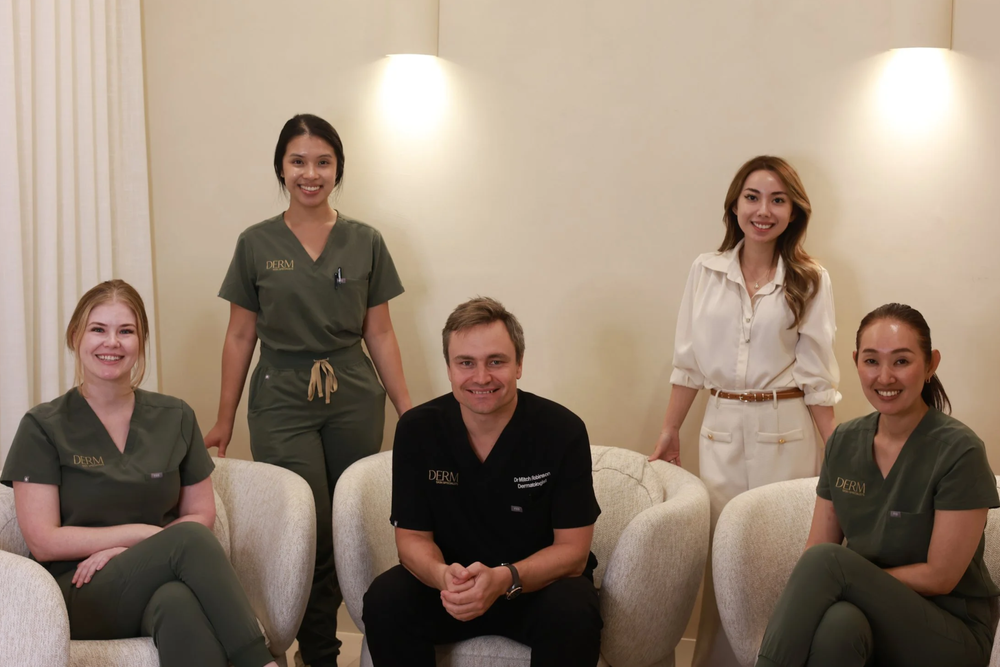
Keloids are treated by our specialist dermatologists: Dr Mitch Robinson, Dr Emily Shao and Dr Benny Yau, all Fellows of the Australasian College of Dermatologists (FACD). Dr Mitch takes on complex and recurrent keloids and performs all CO2 laser. Some vascular laser sessions may be done by our Registered Nurses as part of your dermatologist's plan.
- Fellowship training in complex scarringPlus cutaneous oncology and laser surgery
- Three specialist dermatologistsMedical, surgical and laser treatment in one clinic
- Teaches laser to dermatologistsLectures on laser protocols and safety in Australia and Asia
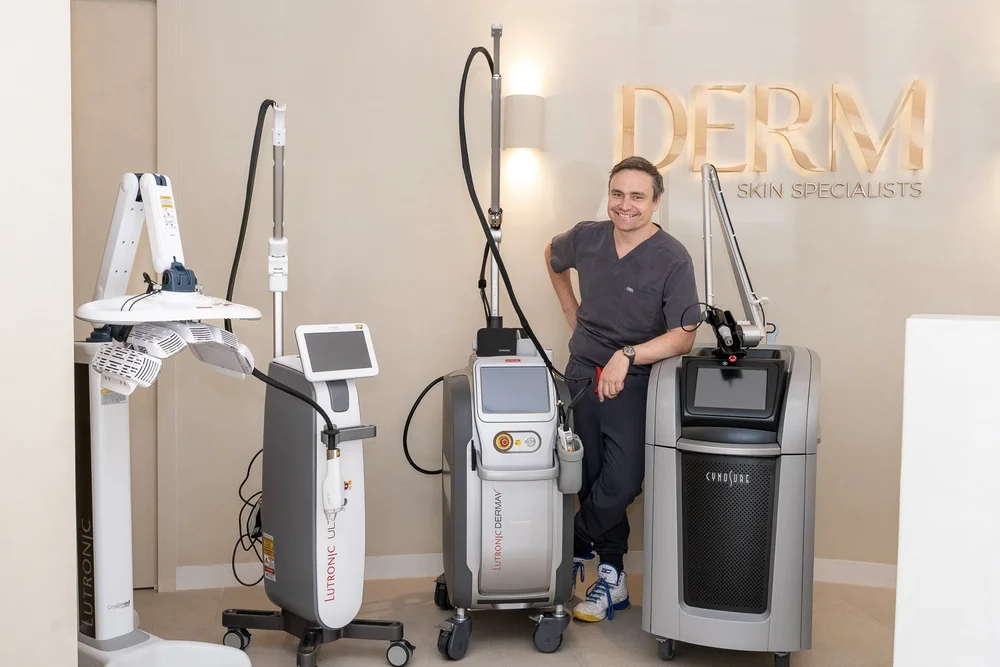
Dr Mitch is a clinical presenter and Signature Partner for Cynosure Lutronic, a laser manufacturer.
Mount Gravatt, Brisbane
Keloid Treatment in Mount Gravatt
DERM Skin Specialists is at 2/1437 Logan Road, Mount Gravatt, about 15 minutes' drive from the Brisbane CBD, with free parking onsite. Patients come from Upper Mount Gravatt, Mansfield, Wishart, Greenslopes and beyond.
Common Questions
Keloids: Common Questions
Do keloids go away on their own?
Rarely. Most stay the same or slowly grow. Hypertrophic scars, which stay within the wound, often flatten on their own over 12 to 18 months.
Can a keloid turn into cancer?
No, keloids are benign. But a lump that looks like a scar without any injury, or one that changes quickly, should be checked, because some skin cancers can look like scars.
Why does my keloid itch?
Itch comes from inflammation and nerve fibres in an active scar. It usually eases early in treatment.
What is the most effective treatment for keloids?
No single treatment suits every keloid. In-clinic injections are the usual starting point, and surgery with follow-up treatment suits earlobe and some large keloids. Combining treatments gives the lowest chance of recurrence.
How many injection sessions will I need?
Usually several, about 4 to 6 weeks apart, often over 3 to 6 months. Larger and older keloids need more.
Can laser remove a keloid?
No laser removes a keloid on its own. Vascular laser reduces redness, itch and thickness, and CO2 laser can blend a scar once it's flat. Laser works as part of a combined plan.
Does silicone gel work on keloids?
It can help soften raised scars and help prevent new ones, and it's low risk. The evidence is weak, though, and silicone won't flatten an established keloid by itself.
Do home remedies work for keloids?
Onion extract, tea tree oil and bio-oil have little good evidence for keloids. Never cut, tie off or burn a keloid at home: it can make it bigger.
How are earlobe keloids treated?
Smaller earlobe keloids are usually treated with injections. Larger ones are cut out, then a pressure earring is worn once the wound has healed. More on ear keloids.
How much does keloid removal cost in Australia?
It varies with the size and number of keloids and the treatments needed. At DERM Skin Specialists, a specialist consultation starts from $395 and your treatment cost is given in writing after assessment. See fees.
Does Medicare cover keloid treatment?
A Medicare rebate may apply to some treatments; we confirm at your consultation. Treatment aimed only at appearance usually isn't covered.
Do I need a referral to see a dermatologist about a keloid?
No referral is needed to book. A valid referral, usually from your GP, is needed if you want a Medicare rebate on your consultation.
Should I see a GP or a dermatologist?
Your GP can confirm it's a scar and start simple care. A dermatologist is worth seeing if the keloid is growing, itchy or painful, came back after removal, or you're thinking about surgery.
Can I have keloid treatment while pregnant?
Tell us if you're pregnant or breastfeeding. Some treatments are postponed until afterwards, and silicone and pressure can often be used in the meantime.
How soon should a raised scar be treated?
Early. If a scar is getting thicker, redder or itchier 4 to 6 weeks after an injury or surgery, book in. New raised scars respond more easily than old keloids.
What happens if my keloid comes back?
We see you promptly and treat regrowth while it's small. Your plan may change to a different combination of treatments or include a radiotherapy referral.
Get a Plan for Your Keloid
Book a consultation with one of our specialist dermatologists. We'll confirm what kind of scar you have, explain what treatment can and can't do, and give you a written plan with the total cost before you decide.
Not ready to book? Send us photos first for a consult and price guide.
Clinical content overseen by Dr Mitch Robinson, FACD (AHPRA MED0001946771). Updated October 2026. General information only, not medical advice. All procedures carry risks; suitability, recovery and results vary between individuals.