
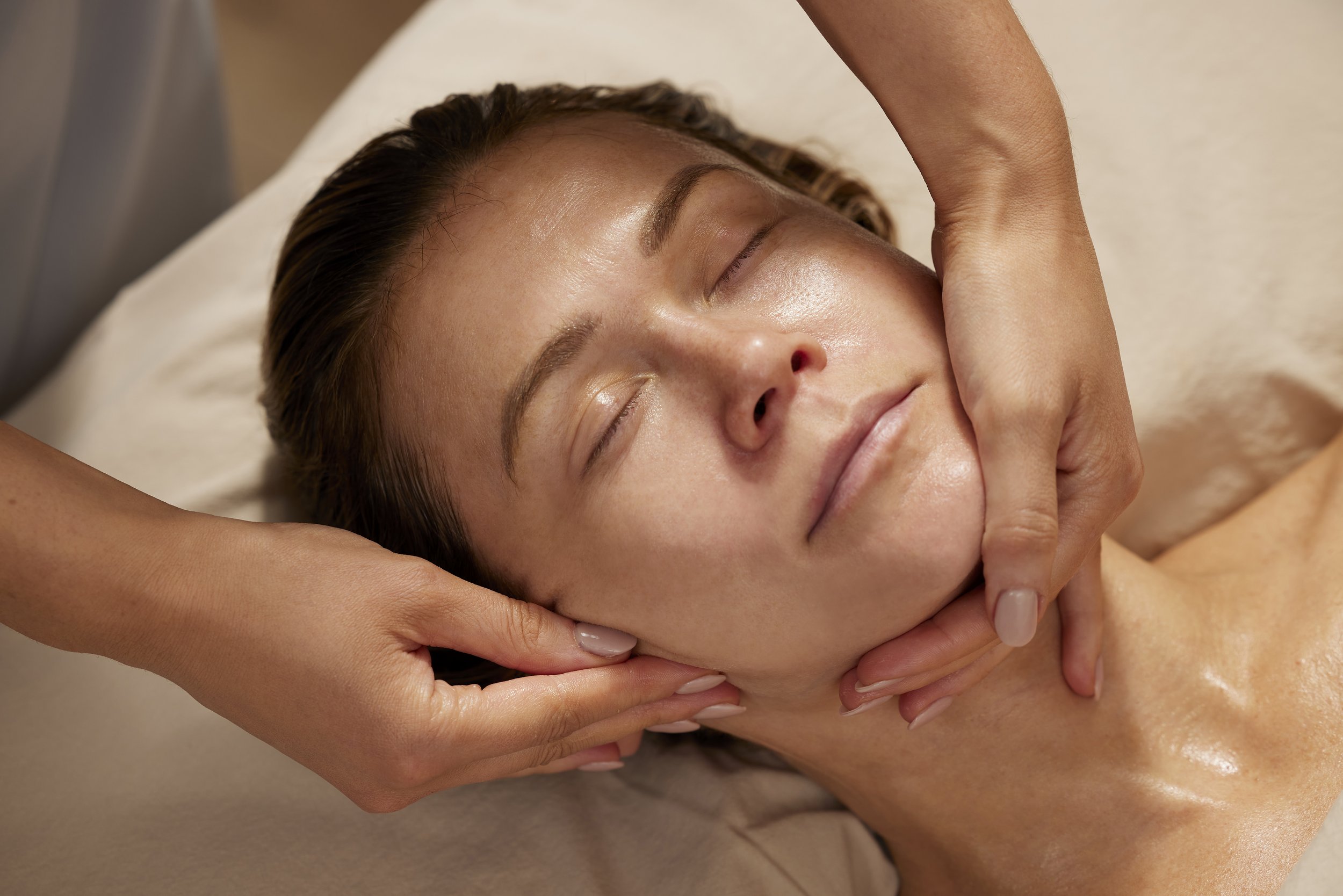
Medical-Grade Chemical Peels in Brisbane
What Are Chemical Peels?
Chemical peels use intelligent acids on a multi-layered approach to regenerate the skin from within, while resurfacing and refining the superficial layers — going beyond simple exfoliation to activate cellular-level improvements.
Key benefits:
Stimulate collagen remodelling, reduce tonal discolouration, improve skin texture and hydration, and reduce congestion
Inhibit tyrosinase activity to reduce pigmentation, increase hyaluronic acid production for hydration, and plump the skin
Conditions We Use Peels For:
Acne & congested skin
Pigmentation & uneven skin tone
Fine lines & wrinkles
Sun damage
Dull, dehydrated skin
Enlarged pores
Scarring
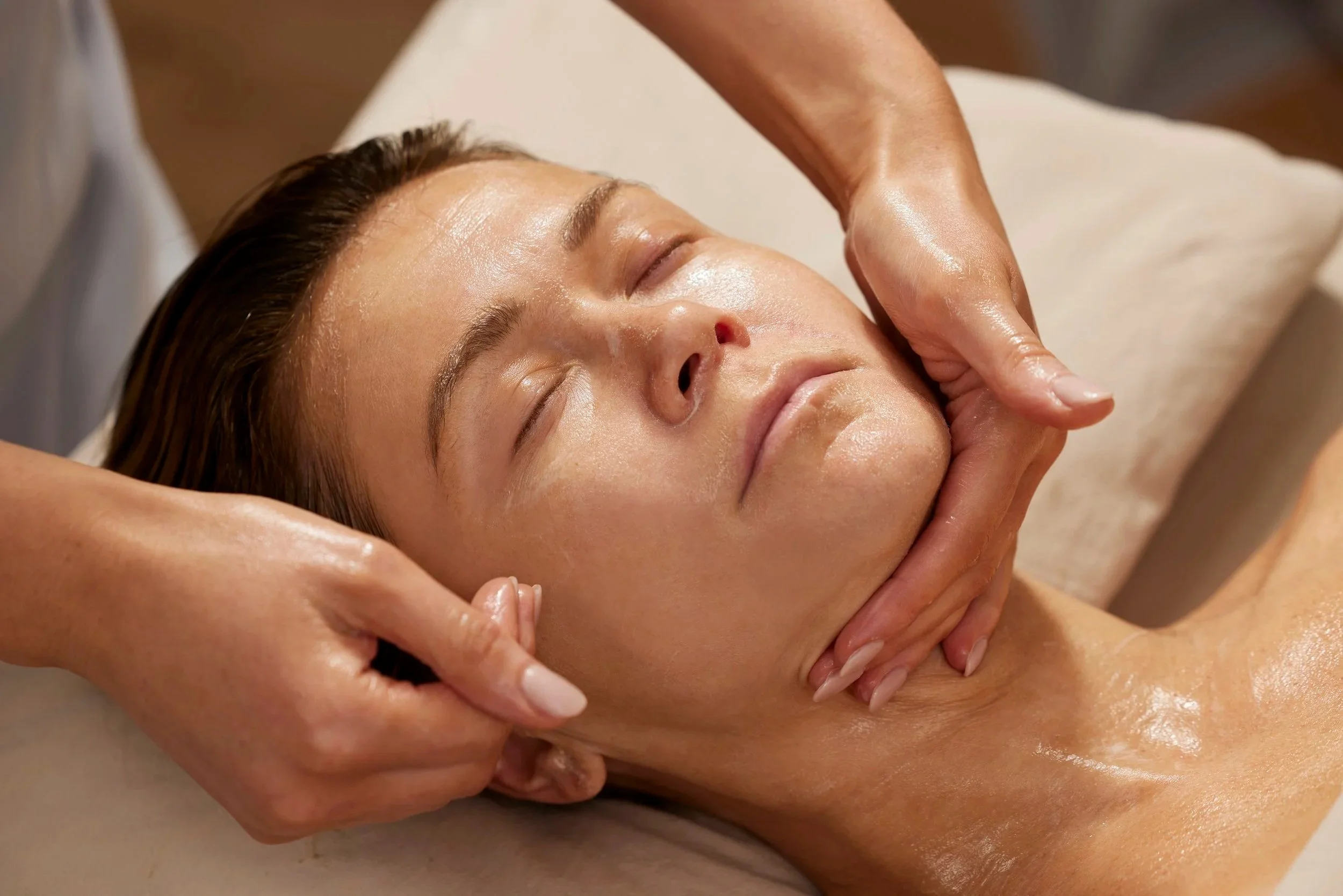
Our Synergie Peel Menu
Synergie professional peels are formulated to extend and amplify the effects of the active home-care range, fast-tracking improvements in tone, texture and clarity while maintaining long-term skin health and minimising trauma.
Our registered nurses will choose a treatment peel plan based on your skin assessment. Book your nurse-led consult below.
-
Amplifies skin moisture, inhibits tyrosinase, and stimulates basal cell renewal for firmer, hydrated, more evenly pigmented skin
-
Deep pore purification with potent anti-inflammatory action — ideal for acne, congested skin, and rosacea
-
Combines mandelic, lactic, kojic and malic acids to brighten tone and refine texture — great for hyperpigmentation and sun damage
-
A potent resurfacing peel that inhibits pigment production, deeply exfoliates, and reduces visible pores, fine lines and wrinkles
Our Most Commonly Asked Questions
Medical disclaimer
This page is general information only. Treatments are individualised and decided after clinical assessment.
-
Consultation — you’ll have access to a complimentary consultation where our nurses will assess your skin conditions and discuss your skin goals
The treatment —Your treatment will be chosen based on your skin assessment. Chemical peels can take approximately 15-30 minutes
Post-care - Physical sunscreen with zinc oxide is vital post-peel, as it provides broad-spectrum protection and has potent anti-inflammatory and healing properties. Skin may flake and feel dry following treatment but our skin specialists will be able to advise you on the best Synergie skin products to use following your appointment.
-
Best results are obtained through a series of six to eight fortnightly to monthly peels rather than a single treatment. Many patients start with lower-concentration peels and gradually increase strength over the series.
-
Yes, but the approach matters enormously, which is exactly why seeing a dermatology specialist makes all the difference.
There's a common misconception that people with darker skin tones cannot safely receive a chemical peel. In reality, they can, but not necessarily with the same formulations used for fairer skin types. Melanin-rich skin is more reactive, not thicker or stronger. Inflammation can trigger melanocytes to produce excess pigment, which may lead to post-inflammatory hyperpigmentation (PIH) — even from gentle exfoliation.
The key is selecting the right acid concentration and ensuring proper skin preparation. Aggressive peeling without adequate preparation can paradoxically worsen pigmentation in Fitzpatrick skin types IV–VI.
At our clinic, every patient undergoes a thorough cosmetic consultation to determine the right treatment plan for their skin. Our nurses are experienced in safely treating the full spectrum of skin tones.
-
Downtime depends on the type and depth of peel performed. As a general guide:
Enzyme HydroPeel / mild superficial peels: Little to no visible peeling; skin may look slightly flushed for 24–48 hours
Lactic acid / salicylic acid peels: Skin may be slightly flushed post-treatment, and we recommend avoiding makeup for 12 hours. You may experience mild to moderate skin shedding from days 2–7 depending on the peel, but most people won’t experience this.
Stronger resurfacing peels (e.g. Modified Jessner): Allow for up to 7–10 days of social downtime
Chemical peels can offer lower social downtime compared to device-based treatments when performed as regular shallow-to-medium depth sessions, with more predictable outcomes using modern peel protocols.
We recommend avoiding any important events or functions in the 7 days following your treatment. Your clinician will advise you on expected downtime based on the specific peel selected for your skin.
-
Yes, and in many cases the combination delivers superior results. Lasers use focused light energy to target specific skin structures deep within the dermis, while chemical peels work through controlled chemical exfoliation to remove damaged surface cells, making them complementary rather than competing treatments.
Initial improvements in skin texture and tone from the peel may be visible within one to two weeks, while the deeper regenerative effects of laser continue to develop over several months as new collagen forms. Many patients find that combination treatments provide longer-lasting results, addressing surface irregularities, deeper structural concerns, and overall skin quality more comprehensively than either treatment alone.
Your dermatologist will advise on the appropriate sequencing and timing of combination treatments based on your skin goals and sensitivity.
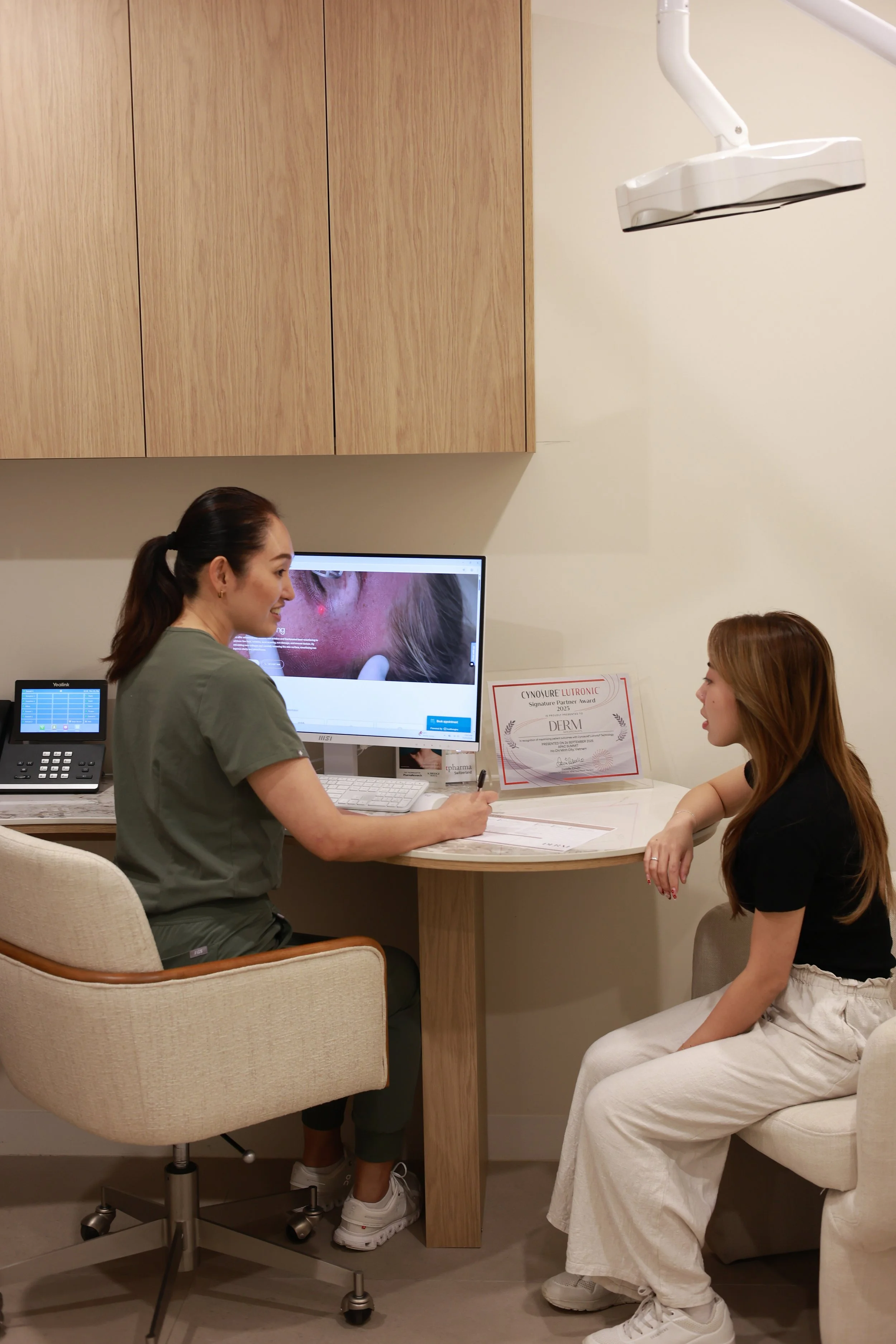
Book a complimentary nurse-led cosmetic consult
If your main goal is treatment planning and understanding device, a complimentary nurse-led consult can help you get oriented, and we'll tell you if a dermatologist assessment is necessary to move forward and explain the next steps.