
Narrowband UVB Phototherapy · Mount Gravatt, Brisbane
UVB Phototherapy in Mount Gravatt, Brisbane
Narrowband UVB light treatment for psoriasis, eczema, vitiligo and persistent itch, given in our clinic 2 to 3 times a week and prescribed and supervised by our specialist dermatologists.
Specialist consultations from $395 · No referral needed to book · Medicare may apply to dermatologist-supervised phototherapy · See fees
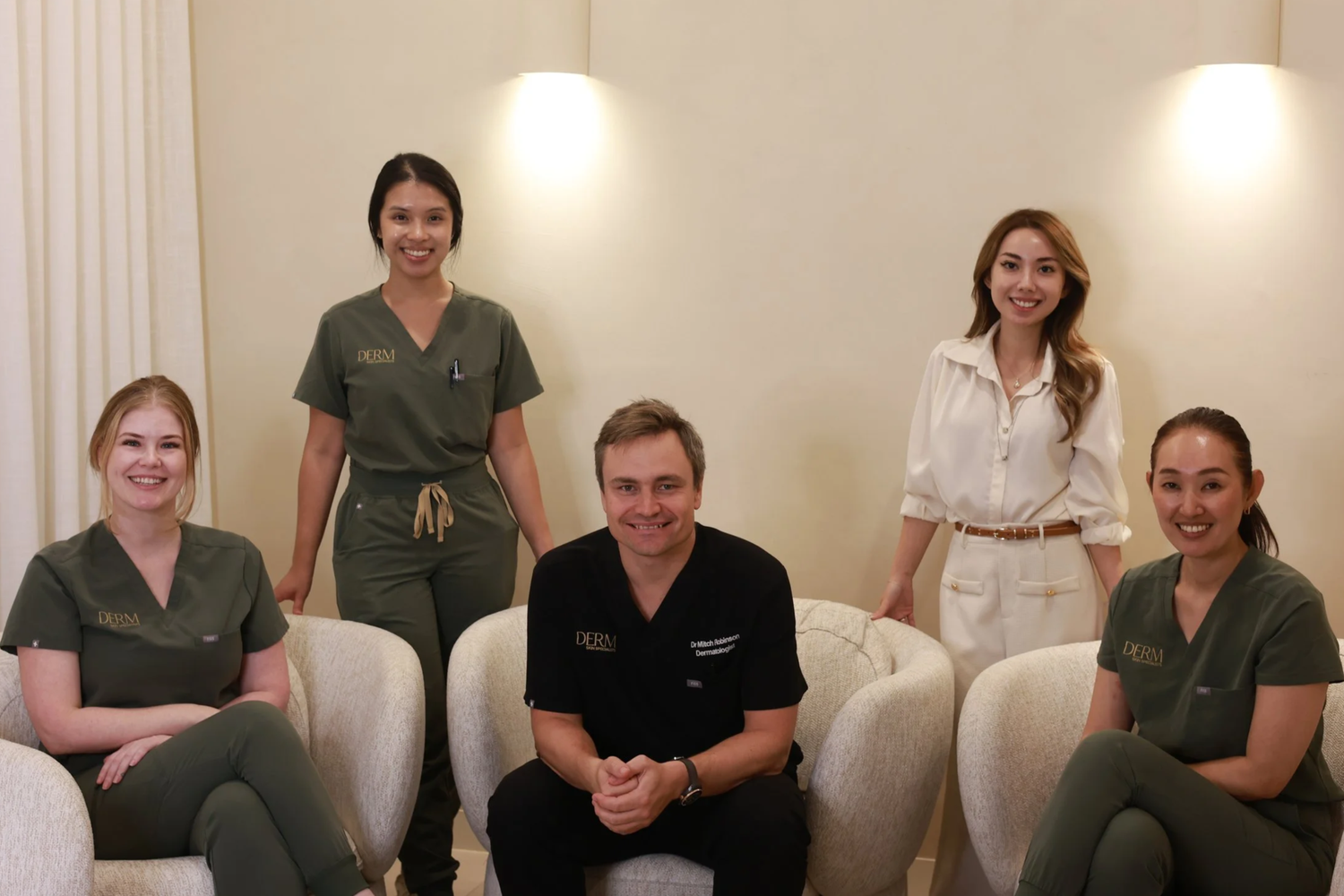
A dermatologist-led clinic with a narrowband UVB phototherapy cabinet on site. Every course is prescribed and supervised by our specialist dermatologists, Dr Benny Yau, Dr Emily Shao and Dr Mitch Robinson, FACD.
Meet our teamUVB Phototherapy at a Glance
What Is Narrowband UVB Phototherapy?
The short answer: narrowband UVB phototherapy is a medical light treatment. You stand in a cabinet lined with special lamps for a few seconds to a few minutes, 2 to 3 times a week, and a carefully measured dose of ultraviolet B light calms inflammation in the skin. It is used for psoriasis, eczema, vitiligo and some types of chronic itch.
The lamps give out a narrow band of UVB light at about 311 nm. That part of the light spectrum does most of the good work on inflamed skin, with less of the burning light found in sunlight. It works by settling the overactive immune cells in the skin, and in vitiligo it helps pigment cells return to white patches.
It isn't a quick fix. Change builds over weeks of regular sessions, so it suits people who can get to the clinic a few times a week. Our clinic in Mount Gravatt is an easy drive from Holland Park, Upper Mount Gravatt, Mansfield and Carindale, with free onsite parking.
One light, several conditions
What Conditions Can UVB Phototherapy Treat?
Your dermatologist confirms the diagnosis first, because conditions that look alike can respond very differently to light.
Psoriasis
Widespread or stubborn plaque psoriasis on the body, arms and legs, especially when there's too much skin to cover with creams.
Eczema
Widespread atopic eczema in adults and older children that keeps flaring despite a good skin routine and prescription creams.
Vitiligo
White patches on the face, body and limbs. Light can help colour return, slowly, over months.
Chronic itch
Persistent itch that hasn't settled with creams, once we've looked for the cause.
Light-sensitive rashes
Some people with a spring rash from sunlight, called polymorphic light eruption, use a short course to toughen the skin before summer.
Other conditions
Some other inflammatory skin conditions, such as lichen planus or pityriasis rosea, as advised by your dermatologist.
Does Light Therapy Work for Psoriasis?
For many people, yes. Light therapy for psoriasis is one of the longest-used treatments in dermatology. Plaques usually start to thin after about 5 to 10 sessions, and many people need around 15 to 25 sessions for their skin to clear or nearly clear.
What the research says. A systematic review of randomised trials found that about 70% of people with chronic plaque psoriasis had at least a 75% improvement with narrowband UVB, and clearing took about 25 sessions on average (Archier et al., JEADV 2012). The trials were mostly small and used different schedules, so your own result may differ.
Psoriasis often stays settled for some months after a course, then may slowly return. Many people come back for another course when it does. Thick scalp psoriasis and nail psoriasis respond less well, because hair and nails block the light, so they usually need other treatment as well.
If psoriasis stays severe despite creams and phototherapy, our dermatologists can talk with you about other specialist treatments.
What helps it work
- Coming 2 to 3 times a week, every week
- Spreading sessions across the week, not on back-to-back days
- Moisturising after sessions to soften scale
- Keeping up the creams your dermatologist prescribes
Does Phototherapy for Eczema Work?
It can help, particularly for widespread eczema that keeps flaring despite good skin care. Many people notice less itch and better sleep before the rash itself looks much different. Eczema usually needs a longer course than psoriasis, and the dose is built up gently because eczema-prone skin can sting.
What the research says. A Cochrane review of 32 trials in 1,219 people found that narrowband UVB may improve the signs of eczema, itch and how much better people felt, compared with placebo or no light (Musters et al., Cochrane 2021).
Phototherapy is one step in an eczema plan, not a replacement for it. You keep moisturising and using the creams your dermatologist prescribes, and we review whether the light is earning its place. More on eczema treatment.
Tell us if your eczema
- Gets worse in the sun or heat
- Is weeping, crusted or infected
- Is mainly on your hands or feet
- Flares with sweat or tight clothing
How Long Does UVB Take to Work for Vitiligo?
Months rather than weeks. Vitiligo is the slowest of the common conditions to respond. The first small dots of colour often appear around hair follicles after a few months, and we review progress about every 3 months to decide whether to keep going.
The face and neck usually respond most. The hands, feet and skin over joints respond least, and some patches may not regain colour at all.
What the research says. A review of 29 studies of narrowband UVB in 1,201 people with vitiligo found that about 62% had at least a quarter of their patches regain colour by 3 months, rising to about 75% by 12 months. Fewer had a marked response of 75% or more: about 19% at 6 months and 36% at 12 months (Bae et al., JAMA Dermatology 2017).
Vitiligo patches burn easily, so we start with low doses and protect untreated skin. Light is often combined with creams for active patches.
What Happens at a Phototherapy Session?
From your first consultation to your regular sessions, here's what to expect at our Mount Gravatt clinic.
Dermatologist Assessment Before UVB
A specialist dermatologist confirms your diagnosis, checks your skin type, skin cancer history and medicines, and decides whether phototherapy suits you. You get a written plan with your starting dose, how often to come and when you'll be reviewed.
Your sessions
You undress to the areas being treated, put on the UV goggles we provide, and stand in the cabinet. The lamps run for a few seconds at first. Each visit the dose is nudged up a little, depending on how pink your skin went last time.
Your UVB Review
Your dermatologist reviews your progress during the course, often every 3 months for vitiligo, and adjusts the plan. When your skin has settled, we stop or taper the sessions.
How Many UVB Sessions Will I Need?
Most people come 2 to 3 times a week, on non-consecutive days. As a rough guide:
- Psoriasis: often 15 to 25 sessions, about 6 to 10 weeks
- Eczema: often a similar number or more, with slower dose increases
- Vitiligo: several months, reviewed about every 3 months
- Chronic itch: varies with the cause
Each session is short, from a few seconds at the start to a few minutes later in the course. Allow a little longer for undressing and checking in, so most visits fit into a lunch break.
Missed sessions. Life gets in the way. If you miss a week or more, your dose is stepped back down for the next session so you don't burn, which can slow progress. Tell us about holidays in advance and we'll plan around them.
Saturday mornings. Existing UVB patients can also come on Saturdays between 8am and 12pm, which helps people who work during the week.
Making it fit your week
- Pick 2 or 3 regular days, such as Monday, Wednesday and Friday
- Use Saturday mornings once you're an existing UVB patient
- Tell us about travel early
- Ask about your total number of sessions at each review
How Do I Prepare for UVB Phototherapy?
A few simple habits make each session more consistent and lower the risk of burning:
- No moisturiser, sunscreen or perfume on treated skin for 2 hours before a session
- Wear the same amount of clothing and jewellery at each session, so the same skin gets the same dose
- Men should cover the genitals during treatment; protective covering is available
- Wear the UV goggles we provide every time
- If your face isn't being treated, we'll show you how to cover or protect it
- Avoid extra sun exposure and sunburn on treatment days
Moisturise after your session. It eases dryness and itch, and helps scaly psoriasis soften.
Tell us before your next session if you
- Start any new medicine, supplement or herbal remedy
- Have had sunburn or a holiday in the sun
- Are pregnant or planning pregnancy
- Get cold sores
- Notice a new or changing spot
Is UVB Phototherapy Safe? Risks, and How We Reduce Them
Narrowband UVB is well established and most people tolerate it well, but it has side effects and long-term risks. Here are the main ones and what we do about each.
Common, Short-Term Side Effects of UVB Phototherapy
- Pinkness like mild sunburn. Usually appears 6 to 24 hours after a session. We check your skin each visit and hold or lower the dose if needed.
- Dry, itchy skin. Common during a course. Moisturise after each session.
- Tanning or uneven colour. Treated skin often tans. In vitiligo, we protect normal skin where we can.
- Cold sore flares. Light can trigger them. Tell us if you get cold sores and we'll plan for it.
Less common and long term
- Painful burning or blistering. Uncommon with careful dosing. We record every dose and step back after missed sessions.
- Eye damage. Prevented with UV goggles, which you wear at every session.
- Skin ageing. Long or repeated courses add to sun damage, like years of sun exposure.
- Skin cancer risk. Any UV adds some risk over a lifetime, especially with many sessions. We keep a running total of your treatments and recommend regular skin checks.
What the research says about skin cancer. A Scottish study of 3,867 people found no clear link between narrowband UVB alone and skin cancer over the follow-up period (Hearn et al., BJD 2008). Follow-up was relatively short and Scotland has far less sun than Brisbane, so we still count your sessions and check your skin. More on skin checks.
When to call us: blistering, painful or spreading redness that lasts more than a day, clusters of sores that could be cold sores, or a new or changing spot. Call 07 3487 1414. Outside hours, see your GP or go to an emergency department.
Who Shouldn't Have UVB Phototherapy?
Phototherapy isn't right for everyone. It is usually avoided, or needs careful thought, if you:
- Have had melanoma or several other skin cancers
- Have lupus or another condition made worse by light
- Take a medicine that makes your skin more sensitive to light
- Can't stand unsupported for a few minutes, or find small spaces very hard
- Can't get to the clinic regularly
When another treatment may suit you better. If only a few small areas are affected, creams are usually simpler. If your skin condition is severe, or phototherapy hasn't helped after a fair trial, your dermatologist can discuss other specialist treatments. If you can't commit to regular visits, we'll be honest that light therapy may not be worth starting.
Can I use a solarium instead?
No. Solariums and sunbaking give uncontrolled doses of UV, including UVA, that raise skin cancer risk without the measured dosing of medical phototherapy. Commercial solariums have been banned across Australia since 2016 (ARPANSA).
How Much Does Narrowband UVB Cost in Brisbane?
Your first step is a specialist consultation, from $395. A Medicare rebate applies to the consultation if you have a valid GP referral.
Is phototherapy covered by Medicare? Medicare has an item for UVB phototherapy in a cabinet when the treatment is started and supervised by a specialist dermatologist, so a rebate may apply to your sessions. Medicare limits how many sessions it covers in a year. We'll explain the session fee, the rebate and any out-of-pocket cost before you start, so there are no surprises.
Think about the whole course. The real cost of phototherapy is the number of visits as much as the fee. A course for psoriasis is often 15 to 25 sessions, and vitiligo can take many months, so factor in travel and time away from work.
If it isn't working. We review your progress during the course. If your skin isn't improving enough to justify the visits, we'll say so and talk about other options rather than keep you coming. See our fees.
Who Looks After Your Phototherapy?
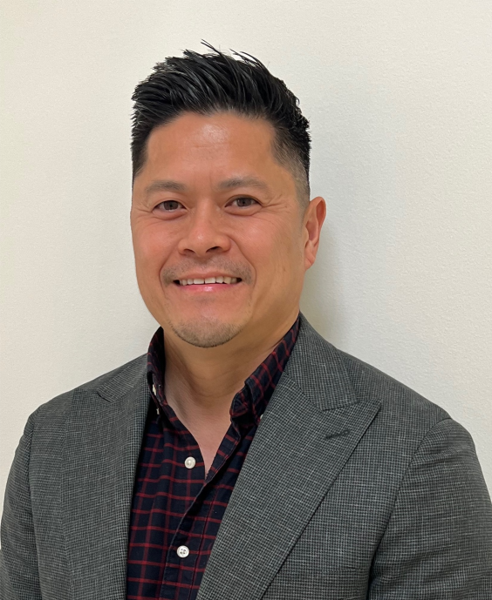
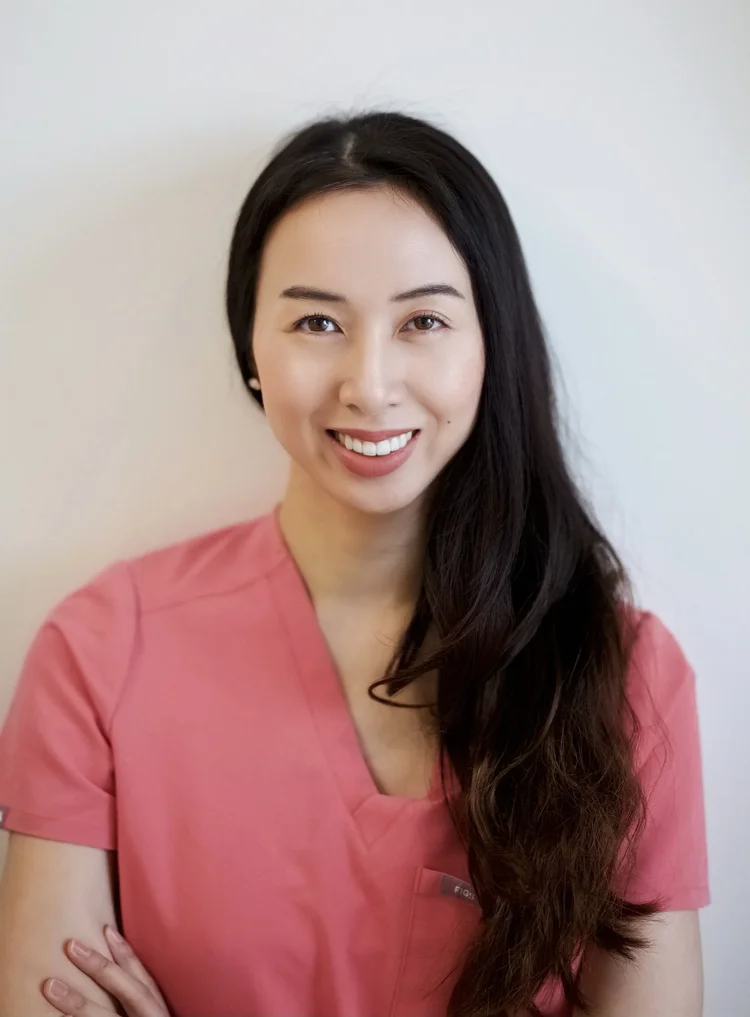
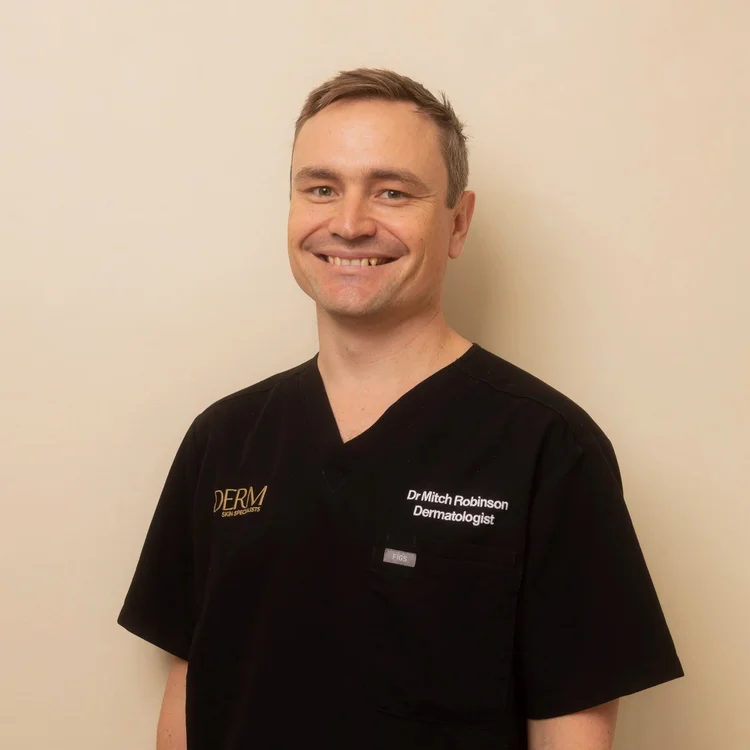
Your course is prescribed and supervised by one of our specialist dermatologists (FACD), who sets your plan and reviews your progress. Our trained clinic team runs each session to that plan.
Mount Gravatt, Brisbane
Where Can I Get Phototherapy on Brisbane's Southside?
DERM Skin Specialists is at 2/1437 Logan Road, Mount Gravatt, about 15 minutes' drive from the Brisbane CBD, with free parking onsite. Because phototherapy means regular visits, being close matters. Many of our UVB patients come from nearby suburbs such as Holland Park, Wishart, Eight Mile Plains, Sunnybank and Greenslopes.
We're open 8am to 5pm Monday to Friday, and 8am to 12pm on Saturdays for existing UVB patients.
Common Questions
UVB Phototherapy: Common Questions
Does phototherapy hurt?
No. Most people feel only mild warmth in the cabinet. If the dose is a little high, skin can go pink and feel like mild sunburn later that day, and we lower the next dose.
How long does each session take?
The light itself runs for a few seconds at the start of a course, building to a few minutes. Allow a little extra time for changing and checking in.
What should I wear in the phototherapy cabinet?
You undress to the areas being treated and wear the UV goggles we provide. Men cover the genitals. Wear the same amount of clothing each time so the dose stays even.
Can I go in the sun during a course of UVB?
Normal daily life is fine with sun protection, but avoid sunbaking and sunburn, especially on treatment days. Extra sun adds to your dose and can cause burning.
What happens if I miss a session?
One missed session is not a problem. After a week or more off, your dose is reduced for the next session, so try to keep to your regular days.
Can I have phototherapy on a Saturday?
Yes, once you're an existing UVB patient. Saturday sessions run from 8am to 12pm.
Will phototherapy give me a tan?
Treated skin often tans a little during a course. It fades after treatment stops.
Will my psoriasis come back after phototherapy?
Psoriasis often stays settled for some months, then may gradually return. Another course can be used when it does, while we keep track of your lifetime total.
Can I keep using my creams?
Usually yes. Apply them after your session rather than before, unless your dermatologist tells you otherwise.
What is the difference between UVB and UVA light therapy?
Narrowband UVB uses a narrow band of UVB light on its own. UVA therapy, sometimes called PUVA, combines UVA light with a light-sensitising medicine and is used less often. We offer narrowband UVB.
Is UVB phototherapy OK in pregnancy?
Narrowband UVB is sometimes used in pregnancy, but it needs a discussion first. Tell us if you are pregnant or planning to be.
Can children have UVB phototherapy?
It is sometimes used for older children and teenagers who can stand still in the cabinet and keep goggles on. Dr Emily Shao sees children and can advise.
Do I need a referral for phototherapy?
No referral is needed to book. Phototherapy has to be prescribed by a dermatologist, so your first visit is a consultation. A GP referral lets you claim a Medicare rebate on that consultation.
How soon can I start phototherapy?
Most new patients are seen within two weeks. If phototherapy suits you, sessions can usually start soon after your consultation.
Does UVB work on the scalp or nails?
Not as well. Hair blocks much of the light, and nails respond poorly. These areas usually need other treatment as well.
Can phototherapy help itch without a rash?
Sometimes. Persistent itch can have causes inside the body, so we look for the cause first, then consider light therapy if it fits.
Is home phototherapy an option?
Home UVB units exist, but they need a prescription, training and close supervision. Ask us whether it suits your situation; most people start with in-clinic sessions.
Is light therapy covered by private health insurance?
It depends on your policy. Medicare may cover part of dermatologist-supervised phototherapy. Check with your insurer and we'll give you the item details.
Find Out if Phototherapy Suits Your Skin
Book a consultation with one of our specialist dermatologists. We'll confirm your diagnosis, explain what light therapy can and can't do for you, and set out how often you'd come and what it costs before you start.
Clinical content overseen by Dr Mitch Robinson, FACD (AHPRA MED0001946771). Updated October 2026. General information only, not medical advice. All procedures carry risks; suitability, recovery and results vary between individuals.