
Xanthelasma Treatment · Mount Gravatt, Brisbane
Xanthelasma Removal in Mount Gravatt, Brisbane
Treatment for the soft, yellowish plaques on the eyelids, using CO2 laser or surgical removal performed by specialist dermatologist Dr Mitch Robinson, FACD, with a check of what may be behind them.
Specialist consultations from $395 · No referral needed to book · Treatment priced on assessment · See fees
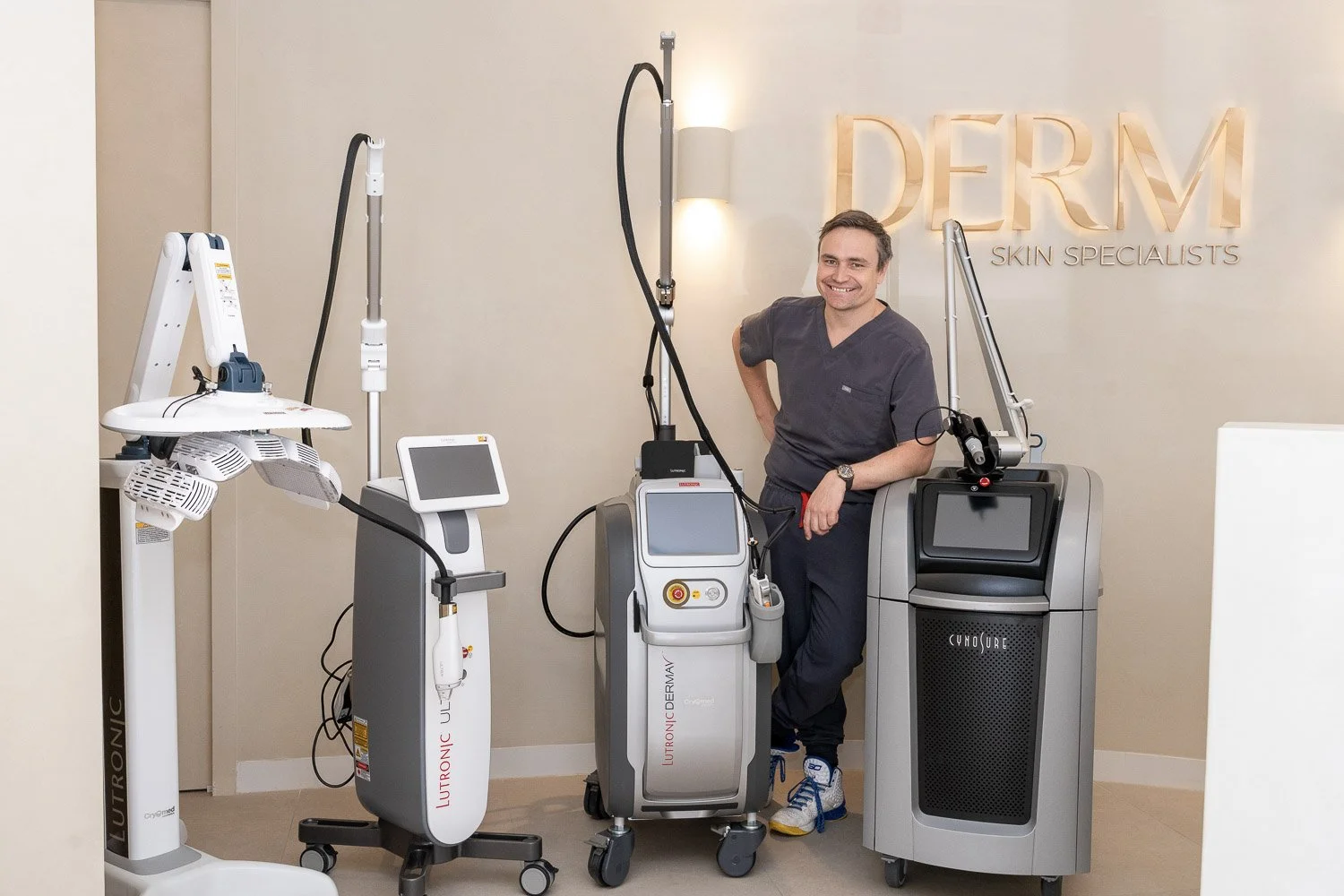
Eyelid skin is thin and close to the eye, so xanthelasma treatment here is planned and performed by a specialist dermatologist, not delegated.
Meet Dr MitchXanthelasma Treatment at a Glance
Soft, yellow, slow to grow
What Is Xanthelasma?
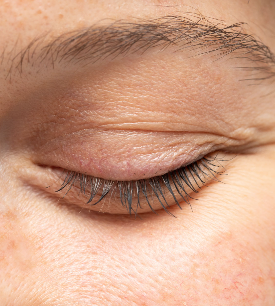
The short answer: xanthelasma (xanthelasma palpebrarum) is a build-up of cholesterol-filled cells in the skin of the eyelids. It shows up as flat or slightly raised, soft, yellowish patches, usually near the inner corners of the eyes, on the upper lids, lower lids or both.
Xanthelasma is harmless in itself. It doesn’t hurt, itch or turn into skin cancer. Most people want it treated because it is noticeable, tends to grow slowly and rarely fades on its own.
It is most common from middle age, and it often appears on both sides. Small, early plaques are usually simpler to treat than large ones, so it is worth having it looked at sooner rather than later.
Worth a blood test
Is Xanthelasma a Sign of High Cholesterol?
Sometimes, but not always. About half of people with xanthelasma have raised blood fats (cholesterol or triglycerides). The other half have normal results, and xanthelasma can still appear.
It is still worth checking. A Danish study that followed nearly 13,000 people for an average of 22 years found that people with xanthelasma had a higher risk of heart attack and heart disease, even after their cholesterol levels were taken into account (Christoffersen et al., BMJ 2011).
So before we treat the plaques, we’ll suggest a fasting cholesterol test and a heart-risk check with your GP if you haven’t had one recently. Treating the skin doesn’t change what is happening in your blood, and looking after both is what matters for your long-term health.
How Is Xanthelasma Removed?
The method depends on the size, thickness and position of each plaque. Dr Mitch talks you through the options at your consultation.
CO2 Laser
- Precise, layer-by-layer removal of the plaque
- Suits most flat and moderately raised plaques
- Local anaesthetic; protective eye shields
- Larger plaques may be treated in stages
- Always performed by Dr Mitch
Surgical Excision of Xanthelasma
- The plaque is cut out and the skin is stitched
- Suits thick or deeper plaques
- Fine line scar, often hidden in the eyelid crease
- Stitches out in about 5–7 days
Other Options
- Chemical treatment with TCA for small, flat plaques
- Radiofrequency or freezing in selected cases
- Combined methods for widespread plaques
- We’ll explain why we suggest one over another
Size and depth decide
CO2 Laser or Surgery: Which Is Right for Me?
For most people, CO2 laser is the first option we consider. The laser removes the plaque in fine layers, so Dr Mitch can treat just the yellow tissue and stop at healthy skin. That suits the thin skin of the eyelids and avoids stitches.
In a study of 295 people treated with CO2 laser for larger xanthelasma, more than 99% of smaller plaques and about 95% of the largest plaques cleared. About 63% of the smallest plaques cleared in a single session; the largest needed three or more (Wang et al., British Journal of Ophthalmology 2024).
Surgery suits plaques that are thick, raised or extend into the deeper layers of the eyelid, where laser would need many sessions. In a series of 95 people treated surgically, 3% had a recurrence (Lee et al., Archives of Plastic Surgery 2013).
Sometimes the answer is a combination: surgery for one thick plaque and laser for flatter ones. Results vary between individuals.
Your Xanthelasma Treatment Journey
Your Xanthelasma Consultation
Dr Mitch examines the plaques, confirms the diagnosis, discusses cholesterol testing and recommends a method. Your total cost is confirmed in writing.
Xanthelasma Treatment Day
A short procedure under local anaesthetic, with eye shields for laser. Most people go home straight afterwards.
Healing & Review
Simple wound care at home, then a review to check healing and plan any further sessions.
An honest timeline
What Is the Recovery Like After Xanthelasma Removal?
Most people need about one to two weeks before the area looks presentable. Here is what is typical after CO2 laser:
- Day 1–2: the treated area is raw and may ooze slightly. Eyelid swelling is common, especially on waking.
- Day 3–7: a thin crust forms and the swelling settles. Keep the area moist with the ointment we recommend and don’t pick it.
- Week 2: the crust lifts, leaving pink new skin.
- Weeks 3–12: the pinkness slowly fades. Use sun protection, including sunglasses, while it settles.
After surgical excision, expect some bruising and swelling for a week, with stitches out at about 5–7 days. You can usually return to desk work within a few days. Avoid eye make-up and swimming until the skin has healed.
Planning for an event? Allow at least three to four weeks after treatment, longer if more than one session is likely.
Risks, and How We Reduce Them
Eyelid treatment is delicate. These are the risks we discuss with every patient.
Xanthelasma Removal Risks
- Scarring, including a raised or tight scar
- Lighter or darker skin where the plaque was
- Swelling, bruising or infection
- Pulling of the eyelid if too much skin is removed
- The plaque returning, or new ones forming
What We Do About Them
- Staged laser for large plaques instead of one aggressive session
- Surgical plans that keep enough eyelid skin
- Extra care and test areas for olive and darker skin
- Clear aftercare and a review appointment
- A cholesterol and heart-risk check with your GP
Will Xanthelasma Come Back After Treatment?
It can. Xanthelasma recurs in a proportion of people after any method, and new plaques can appear in untreated skin. In the CO2 laser study above, about 7% of people had a recurrence within 12 months; it was more common with thicker plaques (Wang et al., 2024).
Treating plaques while they are small, and managing cholesterol if it is raised, may help. If a plaque does return, it can usually be treated again.
How Much Does Xanthelasma Removal Cost in Brisbane?
The specialist consultation is from $395. The cost of treatment depends on how many plaques there are, their size and the method, so it is priced after Dr Mitch has examined you. Your total cost, including any further sessions we expect, is confirmed in writing before treatment.
Xanthelasma treatment is usually considered cosmetic, so Medicare doesn’t generally cover the procedure. A specialist consultation may attract a Medicare rebate if you have a current GP referral. See our fees page for consultation fees.
When Is Xanthelasma Treatment Not the Right Choice?
- If the eyelid skin is already tight, removing a large plaque in one go could pull the eyelid. We may stage treatment or suggest leaving some areas alone.
- If you are prone to raised scars or keloids, we’ll talk through the risk carefully.
- If you have olive or darker skin, pigment change is more likely. We may suggest a small test area first.
- If the spot doesn’t look typical, it may need a biopsy first. Not every yellow eyelid bump is xanthelasma.
Mount Gravatt, Brisbane
Xanthelasma Removal in Mount Gravatt
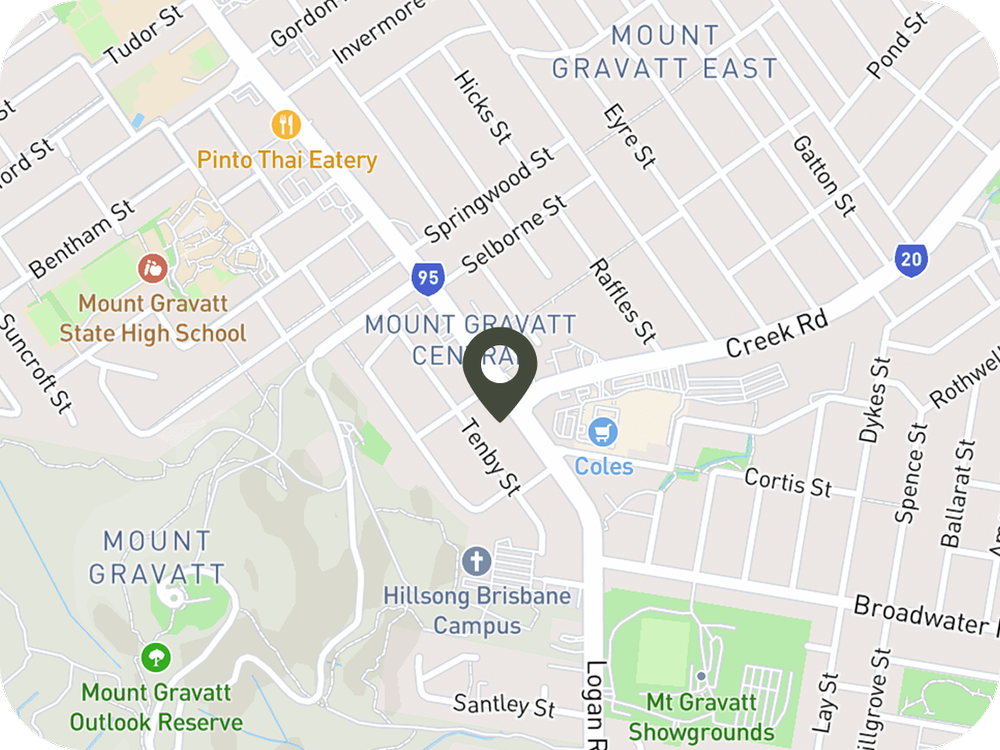
DERM Skin Specialists is at 2/1437 Logan Road, Mount Gravatt, about 15 minutes’ drive from the Brisbane CBD and close to Holland Park, Carindale and Upper Mount Gravatt, with free parking onsite.
Common Questions
Xanthelasma: Common Questions
What causes xanthelasma?
Cholesterol-filled cells collect in the eyelid skin. It is linked to raised blood fats in about half of people, but can appear with normal cholesterol too. Family history plays a part.
Will xanthelasma go away on its own?
Rarely. Plaques usually stay the same or grow slowly. Managing cholesterol may slow new plaques but doesn’t usually clear existing ones.
Does xanthelasma removal hurt?
The area is numbed with local anaesthetic, so you should feel pressure rather than pain. The injection stings briefly. Afterwards it feels sore and tight for a few days.
How many sessions will I need?
Small plaques often clear in one session. Larger or thicker plaques may need two or three, a few weeks apart.
Will there be a scar?
Any treatment can leave a mark. Laser usually heals as a flat, pale or pink area that fades over months. Surgery leaves a fine line, often in the eyelid crease.
Can xanthelasma be removed without surgery?
Yes. CO2 laser, TCA and other methods avoid stitches. Thick or deep plaques may still be better treated surgically.
Is it safe to use a laser so close to my eye?
Protective eye shields are placed before treatment, and Dr Mitch performs every eyelid laser treatment himself.
Can I treat xanthelasma at home?
We don’t recommend home creams, acids or removal pens on the eyelids. They can burn, scar and pull the eyelid skin.
Should I get my cholesterol checked?
Yes, if it hasn’t been checked recently. Xanthelasma is linked with a higher risk of heart disease, so a fasting cholesterol test and heart-risk check with your GP is worthwhile.
How long until I can wear make-up?
Usually once the crust has lifted and the skin has closed, around 7–14 days after laser. We’ll confirm at your review.
When can I go back to work?
Many people return to desk work within a few days. Swelling and crusting are visible for about a week.
Is xanthelasma removal covered by Medicare?
The procedure is usually considered cosmetic and isn’t generally covered. The specialist consultation may attract a rebate with a GP referral.
Will it come back after treatment?
It can, in a proportion of people, and new plaques can form. Treating early and managing cholesterol may help. Recurrences can usually be treated again.
Can I have treatment if I have olive or darker skin?
Usually, yes, but pigment change is more likely. We may suggest a test area and a staged plan.
Do I need a referral?
No referral is needed to book. A GP referral may allow a Medicare rebate on the consultation fee.
Who performs the treatment?
Specialist dermatologist Dr Mitch Robinson, FACD, assesses and treats every patient with xanthelasma at DERM Skin Specialists.
Book a Xanthelasma Consultation
See Dr Mitch for an assessment, a clear plan and a written quote.
Clinical content overseen by Dr Mitchell Robinson, FACD (AHPRA MED0001946771). Updated October 2026. General information only, not medical advice. All procedures carry risks; suitability, recovery and results vary between individuals.