
Mole & Skin Lesion Removal · Mount Gravatt, Brisbane
Mole & Skin Lesion Removal in Mount Gravatt, Brisbane
Dermatologist assessment and removal of moles, skin tags, seborrhoeic keratoses, cysts and xanthelasma, with every spot checked before removal and sent for pathology when needed.
Specialist consultations from $395 · No referral needed to book · See fees
Every lesion is assessed by a dermatologist with dermoscopy before removal, so nothing suspicious is treated as cosmetic.
Meet the TeamLesion Removal at a Glance
Why Every Spot Is Checked First
Most moles, skin tags and lumps are harmless. But some skin cancers can look like ordinary spots, so every lesion is examined with dermoscopy before it is removed.
If there is any doubt, the lesion is sent to pathology so the diagnosis is confirmed under the microscope. That is one of the advantages of having it removed by a dermatologist.
Removal for cosmetic reasons isn’t covered by Medicare. Removal for medical reasons, such as a suspicious, bleeding or irritated lesion, may attract a rebate.
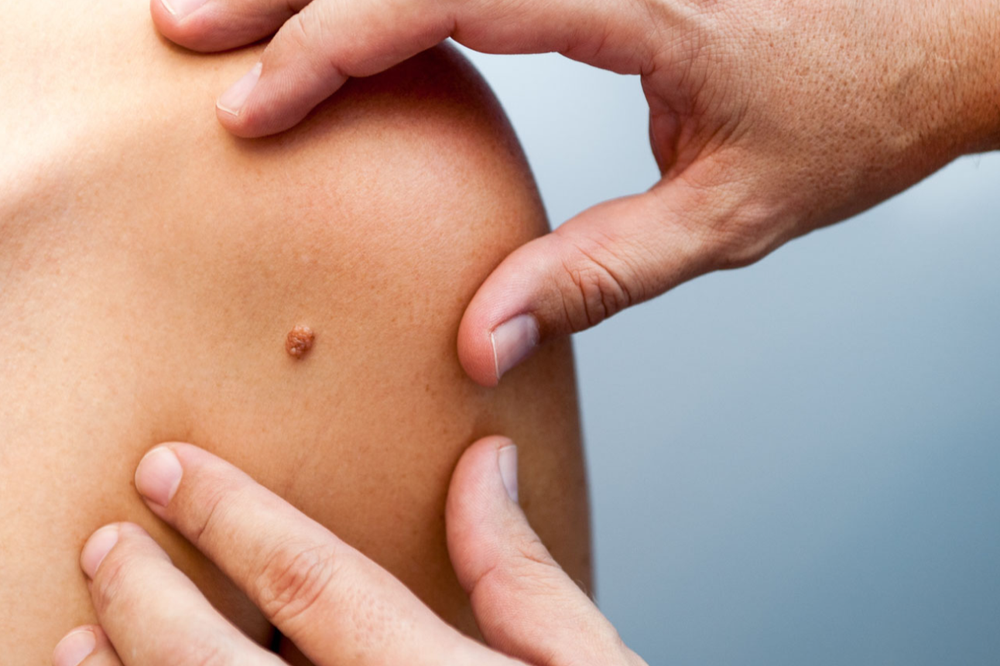
Lesions We Remove
The type of lesion, its size and where it is guide the choice of removal method.
Removal Methods
We choose the method that suits the lesion and the site, and confirm the diagnosis when needed.
Shave Removal
- For raised moles and seborrhoeic keratoses
- Local anaesthetic
- No stitches; heals in 1–2 weeks
- Can leave a flat, pale mark
Surgical Excision
- For cysts, deeper moles and anything suspicious
- Stitched closure
- Specimen sent to pathology
- Stitches out in about 7–14 days
Cautery, Freezing & Laser
- For skin tags, keratoses and small spots
- CO2 laser for selected lesions, including xanthelasma
- Vascular laser for cherry angiomas
Your Lesion Removal Journey
Assessment
A dermatologist examines the spot with dermoscopy and recommends the most suitable removal method.
Removal
Usually a short procedure under local anaesthetic, sometimes on the same day.
Results & Healing
Pathology results if needed, and aftercare until the site has healed.
Recovery and Risks
Most removals heal well with simple wound care.
Recovery
- Keep the area clean and covered as advised
- Most sites heal within 1–2 weeks
- Stitches out in about 7–14 days after excision
- Protect the scar from the sun as it fades
Possible Risks
- A scar or pale mark
- Infection or bleeding
- Some moles can regrow after shave removal
- Darker or raised scars in some skin types
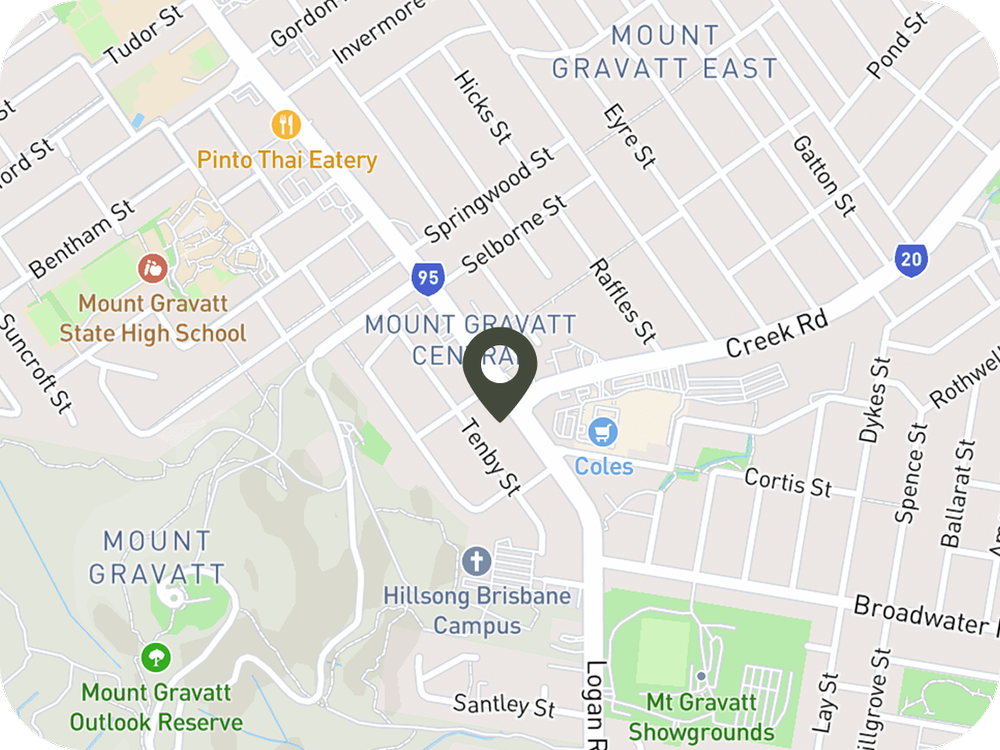
Mount Gravatt, Brisbane
Mole Removal in Mount Gravatt
DERM Skin Specialists is at 2/1437 Logan Road, Mount Gravatt, about 15 minutes’ drive from the Brisbane CBD, with free parking onsite.
Common Questions
Mole & Lesion Removal: Common Questions
Will my spot be checked before removal?
Yes. Every lesion is examined with dermoscopy first, and anything uncertain is sent for pathology.
Will mole removal leave a scar?
Any removal leaves a mark. Shave removal usually leaves a flat, pale mark, and excision a fine line scar.
Will shaving remove a mole completely?
Shave removal takes away the raised part. Some pigment can remain or regrow, and further treatment is possible if it does.
Can several spots be removed in one visit?
Often, yes, depending on the number, size and methods involved.
Is mole removal covered by Medicare?
Medicare only covers removal for medical reasons, such as a suspicious, bleeding or irritated lesion, or a biopsy. Cosmetic removal isn’t covered.
Can I have removal while on blood thinners?
Usually, yes. Tell us about all your medicines, and don’t stop any without advice from your doctor.
What is the difference between a mole and a freckle?
Freckles are flat, light brown spots that darken in the sun. Moles are clusters of pigment cells and can be flat or raised. A new or changing mole should be checked.
How is xanthelasma treated?
Options include laser and surgical removal, chosen for the size and site. A blood cholesterol check is often recommended too.
Book a Lesion Assessment
Have your spot checked by a dermatologist and removed with the method that suits it.
Clinical content overseen by Dr Mitchell Robinson, FACD (AHPRA MED0001946771). Updated October 2026. General information only, not medical advice. All procedures carry risks; suitability, recovery and results vary between individuals.