
Hair Loss & Alopecia · Mount Gravatt, Brisbane
Hair Loss Treatment in Mount Gravatt, Brisbane
Medical diagnosis and treatment for thinning hair, shedding and bald patches in women, men and children, with specialist dermatologists Dr Emily Shao and Dr Benny Yau, who both list hair and scalp conditions among their special interests.
Specialist consultations from $395 · No referral needed to book · Medicare rebate with a valid referral · See fees
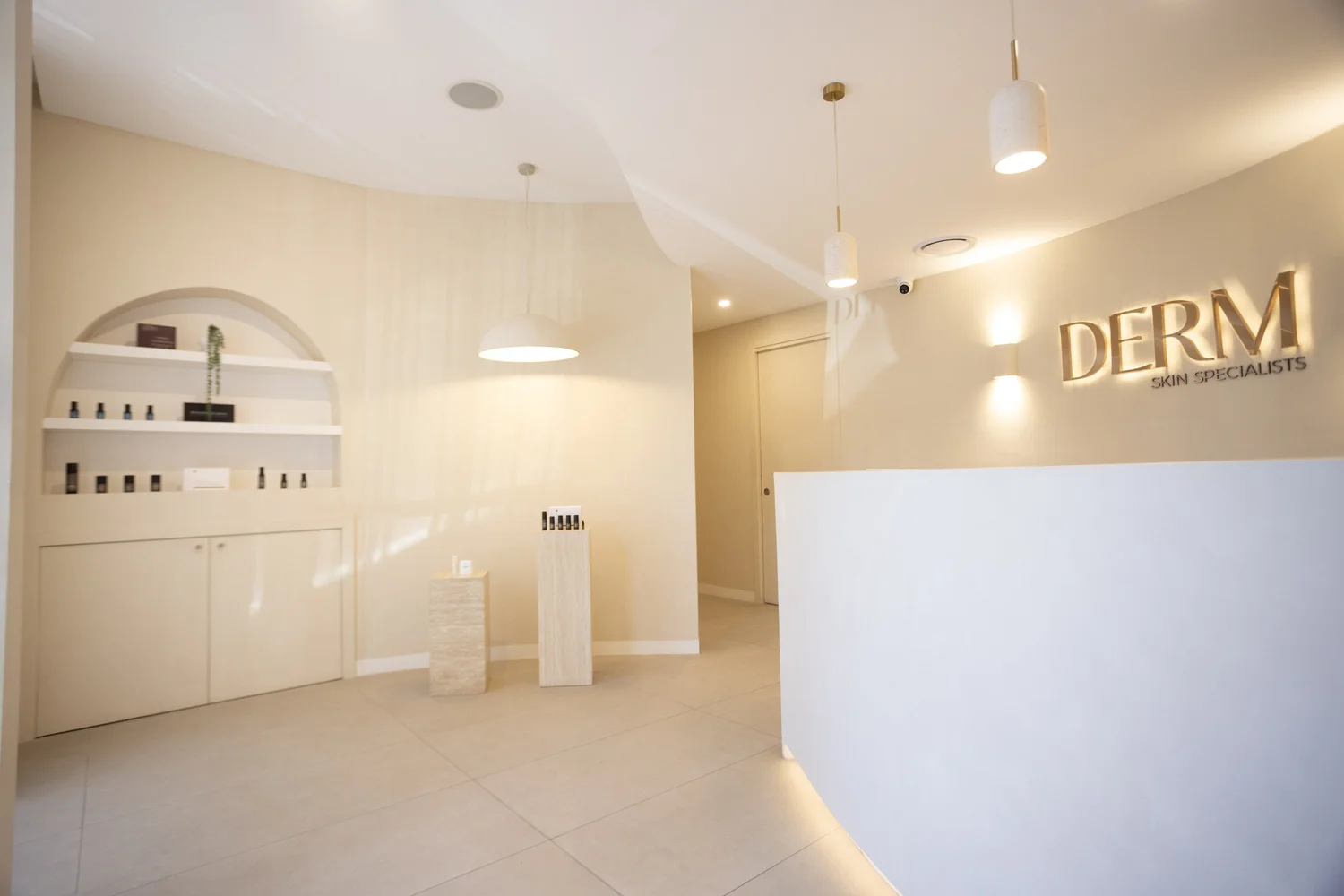
A dermatologist-led clinic. Hair loss is assessed and treated by our specialist dermatologists, Fellows of the Australasian College of Dermatologists, with blood tests and scalp biopsy arranged when needed.
Meet our teamHair Loss Care at a Glance
Why Is My Hair Falling Out?
The short answer: most hair loss has a cause that can be found, and the right treatment depends on it. The most common are inherited thinning (pattern hair loss), heavy shedding a few months after an illness, a baby or a stressful event (telogen effluvium), and patchy autoimmune hair loss (alopecia areata). Low iron, thyroid problems and scalp conditions can add to it. A dermatologist works out which one, or which mix, you have.
Losing up to about 100 hairs a day is normal. What matters is a change: more hair in the shower, a wider part, more scalp showing under bright light, a thinner ponytail, or a bald patch someone else spots.
Hair loss is often more than one problem at once, such as mild inherited thinning that you only notice after shedding from a virus. Treating only one part is a common reason treatment seems not to work.
We see women, men and children from Mount Gravatt and across Brisbane's southside, including Holland Park, Carindale and Sunnybank.
Hair is slow. So are results.
Will My Hair Grow Back? What Results Can You Expect?
It depends on the cause:
- Telogen effluvium (shedding after a trigger) usually settles once the trigger has passed. Hair grows about 1 cm a month, so it takes 6 to 12 months to look fuller.
- Alopecia areata often regrows, sometimes without treatment, but patches can come back.
- Pattern hair loss is long term. Treatment aims to slow or stop thinning, and some people regain a little density. It only works while you keep using it.
- Scarring alopecia destroys follicles. Treatment aims to stop it spreading; hair already lost from scarred areas doesn't usually regrow.
Expect months, not weeks. Most treatments take at least 3 months to show any change and 6 to 12 months to judge. Some cause a short burst of extra shedding at first, so we take baseline photos and review you at set times.
What the research says. A Cochrane review of 47 trials in 5,290 women with female pattern hair loss found that about 26% of women using a scalp lotion available from pharmacies reported moderate or marked regrowth, compared with about 14% using a dummy lotion (Cochrane Database of Systematic Reviews, 2016). Treatment helps many people, not everyone, and change is gradual.
If treatment doesn't work, we recheck the diagnosis, look for a second cause and change the plan. Camouflage, hairpieces or a hair transplant opinion are also options we'll discuss honestly.
What Type of Hair Loss Do You Have?
Each type has a different cause and outlook, so diagnosis comes first. Many people have more than one.
Why Is My Hair Thinning? Hair Loss in Women
Thinning hair in women is common and often brushed off. About 4 in 10 women have some female pattern hair loss by age 50. It shows as a widening part and thinning over the top of the head, while the front hairline stays. Genes and the way follicles respond to hormones make the follicles slowly shrink and grow finer hairs.
Other causes in women include shedding after a baby or a change of contraceptive pill, low iron (especially with heavy periods or a plant-based diet), thyroid problems, crash dieting, menopause, and tight styles or extensions that pull on the hairline. Adult acne, irregular periods or extra facial hair can point to a hormone condition such as polycystic ovary syndrome, which we check for.
Treatment is long term, usually a scalp lotion or foam plus prescription treatments where appropriate, chosen around your health and whether a pregnancy is possible. Tell us if you're planning one.
Signs of pattern thinning
- A wider part than before
- More scalp showing in bright light or photos
- A thinner ponytail
- Finer, shorter hairs on top
- Front hairline unchanged
What Is Telogen Effluvium, and When Will the Shedding Stop?
Telogen effluvium is sudden, all-over shedding. A shock to the body pushes many growing hairs into their resting phase at once, and they fall out about 2 to 4 months later, which is why people often don't connect it to the cause. You may see handfuls in the shower or brush, and some people have a tender scalp.
It usually settles within about 6 months once the trigger has passed, then hair regrows at around 1 cm a month. It doesn't cause bald patches or damage the follicles. Shedding for longer than 6 months is called chronic telogen effluvium, and it's worth a dermatologist looking for an ongoing cause, or for pattern thinning the shedding has uncovered.
Treatment focuses on finding and fixing the trigger, such as low iron or a thyroid problem (Cureus, 2020; a narrative review rather than a trial).
Common triggers
- Having a baby
- A high fever or illness, including COVID-19
- Surgery or a hospital stay
- Crash dieting or rapid weight loss
- Major emotional stress
- Starting or stopping some medicines
- Low iron or a thyroid problem
The follicles stay alive
What Is Alopecia Areata, and How Is It Treated?
Alopecia areata is an autoimmune condition that causes smooth, round bald patches on the scalp, eyebrows, eyelashes or beard. It can start at any age, often in childhood, and it isn't contagious.
A 2026 survey of more than 8,000 Australians estimated that 1 to 2 in every 100 people aged 15 and over have had it. Nearly a third of those diagnosed weren't using any treatment, and many didn't know there were options (Australasian Journal of Dermatology, 2026; a self-reported, industry-funded survey).
Because the follicles stay alive, hair often grows back, sometimes without treatment, though patches can come and go. New hair may be fine or white at first. Small patches may simply be watched. Treatments applied to the patches, and prescription treatments where appropriate, can help hair regrow sooner. For extensive alopecia areata, newer prescription options exist, and we'll explain whether you qualify, the likely benefit and the cost. The Australia Alopecia Areata Foundation offers support for adults, young people and parents.
What Is Scarring Alopecia, and Why Is It Urgent?
Scarring alopecia is a group of conditions in which inflammation destroys hair follicles and replaces them with scar tissue, so they can't make hair again. Examples include lichen planopilaris; frontal fibrosing alopecia, a receding hairline with thinning eyebrows, seen mostly after menopause; and central centrifugal cicatricial alopecia, which starts at the crown.
Treatment aims to calm the inflammation and stop the loss spreading, so you keep the hair you have. Early on it can look like ordinary thinning, so a small scalp biopsy is often needed to confirm it. If you notice any of these signs, book in rather than waiting.
See us soon if you notice
- Burning, itch or tenderness where hair is thinning
- Redness or scale around the hairs
- Shiny, smooth patches with no hair openings
- A receding hairline or thinning eyebrows
- Patches slowly getting bigger
Cause first
How Does a Dermatologist Find the Cause of Hair Loss?
Your assessment is planned around your history, so not everyone needs every test.
- Your story. When it started, what changed 2 to 4 months before, periods, pregnancy, diet, medicines, supplements and family history.
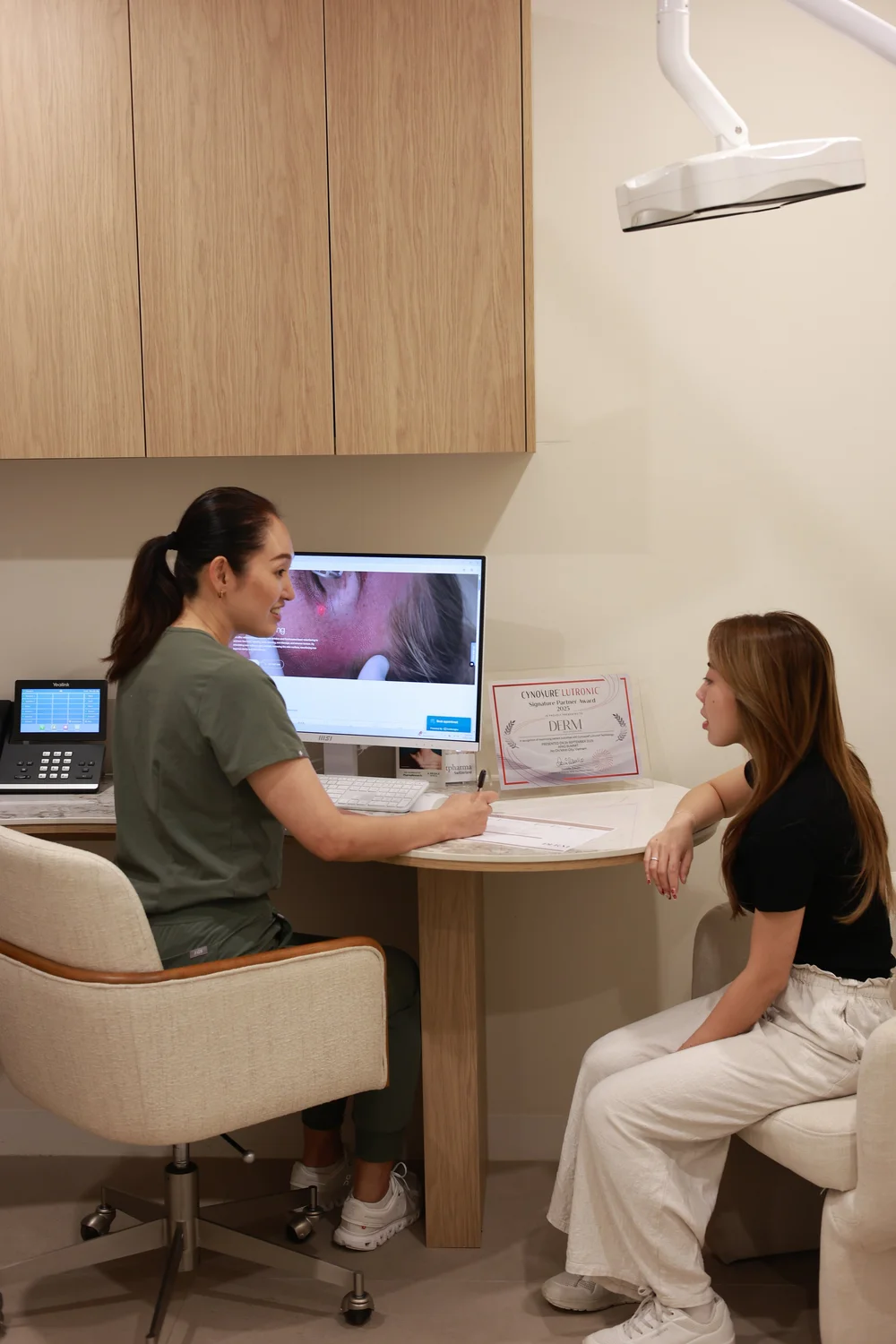
- Trichoscopy. A handheld dermatoscope magnifies the scalp to show hairs of different thickness, broken hairs, and redness or scale around follicles that can point to scarring alopecia (Journal of the American Academy of Dermatology review, 2023).
- Pull test. Gently pulling a small bunch of hairs shows whether shedding is active.
- Blood tests to look for causes. Usually iron stores, thyroid function and a blood count, plus hormone tests if you have adult acne or irregular periods.
- Scalp biopsy when needed. A sample a few millimetres wide, taken under local anaesthetic and closed with a stitch or two, mainly when scarring alopecia is suspected or the diagnosis is unclear.
- Baseline photos, so progress is measured rather than guessed.
If you've had blood tests with your GP recently, bring the results.
Matched to the cause
How Is Hair Loss Treated?
Most plans combine two or three of these. No single treatment suits every type of hair loss.
Fix the Cause
- Correcting low iron or thyroid problems, with your GP
- Reviewing medicines and other triggers
- Treating scalp dermatitis or psoriasis
- Advice on hair care and tight styles
Medical Treatment
- A scalp lotion or foam from the pharmacy
- Prescription treatments where appropriate
- Treatment for alopecia areata patches
- Reviews every 3 to 6 months, with photos
Support and Other Options
- Camouflage: hair fibres, tinted sprays, styling
- Advice on wigs and hairpieces
- Referral for a hair transplant opinion
- Red light laser as an add-on, where suitable
Men with pattern hair loss. Treatment is most useful for holding on to hair, so starting early matters. Prescription options for men, and their possible side effects, are discussed at your consultation.
Red light laser. Our RedTouch PRO laser uses a 675 nm red wavelength. Studies of this wavelength in pattern hair loss reported better hair density (2023, 2024). We only consider it as an add-on to medical treatment.
Honest advice, not packages. If a treatment is unlikely to help your type of hair loss, we'll tell you.
Trichologist vs Dermatologist: Who Should You See for Hair Loss?
A trichologist focuses on hair and scalp care and can give practical advice on products and styling. Trichology isn't a registered health profession in Australia, and a trichologist isn't a medical practitioner, so they can't prescribe medicines or take a scalp biopsy.
A specialist dermatologist is a medical doctor with specialist training in skin, hair and nail disease through the Australasian College of Dermatologists (FACD). A dermatologist can diagnose the medical causes of hair loss, arrange blood tests and a biopsy, and prescribe and monitor treatment.
If you've been searching for a "female hair loss specialist", the registered medical specialists for hair and scalp disease are specialist dermatologists. Your GP is a good first step too: they can check iron and thyroid levels and write a referral for a Medicare rebate on your consultation.
See a dermatologist if
- Hair is coming out in clumps or patches
- Your scalp is sore, burning, red or scaly
- Your hairline or eyebrows are receding
- Shedding has lasted more than 6 months
- Thinning started in your teens or twenties
- Treatment hasn't helped after 6 to 12 months
Do Hair Loss Shampoos, Supplements and Vitamins Work?
Mostly not on their own. Shampoo sits on your scalp for a minute or two, so it mainly changes how hair looks and feels, though a shampoo that treats dandruff or scalp inflammation helps when that's part of the problem.
Supplements help only if you're low in something. Iron helps shedding caused by low iron, which is why we test first. Biotin, collagen or "hair vitamins" haven't been shown to grow more hair when your levels are normal, and high-dose biotin can upset some blood tests, including thyroid tests, so tell us if you take it.
What helps at home
- Gentle handling and low heat
- Looser styles; rest the hairline from tight braids
- Enough protein and iron in your diet
- A hat or scalp SPF on a thinning scalp
What Happens at Your First Hair Loss Appointment?
From your first visit to your reviews, here's what to expect.
Assessment
Your dermatologist takes a full history, examines your scalp with a dermatoscope and takes photos. Bring recent blood test results and a list of medicines and supplements, and skip hair fibres or tinted sprays on the day.
Diagnosis and plan
You get a diagnosis, or a shortlist if tests are needed, and a written plan matched to the cause, with realistic timeframes and expected costs.
Review
Hair grows slowly, so we review you every 3 to 6 months, compare photos taken the same way, and adjust treatment.
Hair Loss in Children: When Should Your Child See a Dermatologist?
Hair loss in children usually has one of a few causes. Alopecia areata is common. Scalp ringworm (tinea capitis), a fungal infection, causes scaly patches with broken hairs and needs prescription treatment, not just shampoo. Hair pulling (trichotillomania) leaves broken hairs of different lengths, and shedding can follow an illness with a high fever.
A clear diagnosis helps the whole family, especially at school. Dr Emily Shao sees children as well as adults, and paediatric dermatology is one of her special interests.
Book a review if your child has
- Scaly patches or broken hairs
- Swollen neck glands with a scalp rash
- Bald patches that keep spreading
- Lost eyebrows or eyelashes
How Much Does a Hair Loss Dermatologist Cost in Brisbane?
A specialist consultation starts from $395. You don't need a referral to book, but a valid GP referral lets you claim a Medicare rebate on your consultation. Blood tests are billed by the pathology lab, and many are covered by Medicare. If you need a scalp biopsy, we explain the cost, including the lab fee, before it's done.
Hair loss care is often ongoing, so ask about the cost over a year, not just the first visit. Pharmacy products and prescriptions are bought separately. You get a written plan with expected costs before you start. Most new patients are seen within two weeks. See our fees.
Who Will Look After Your Hair Loss?
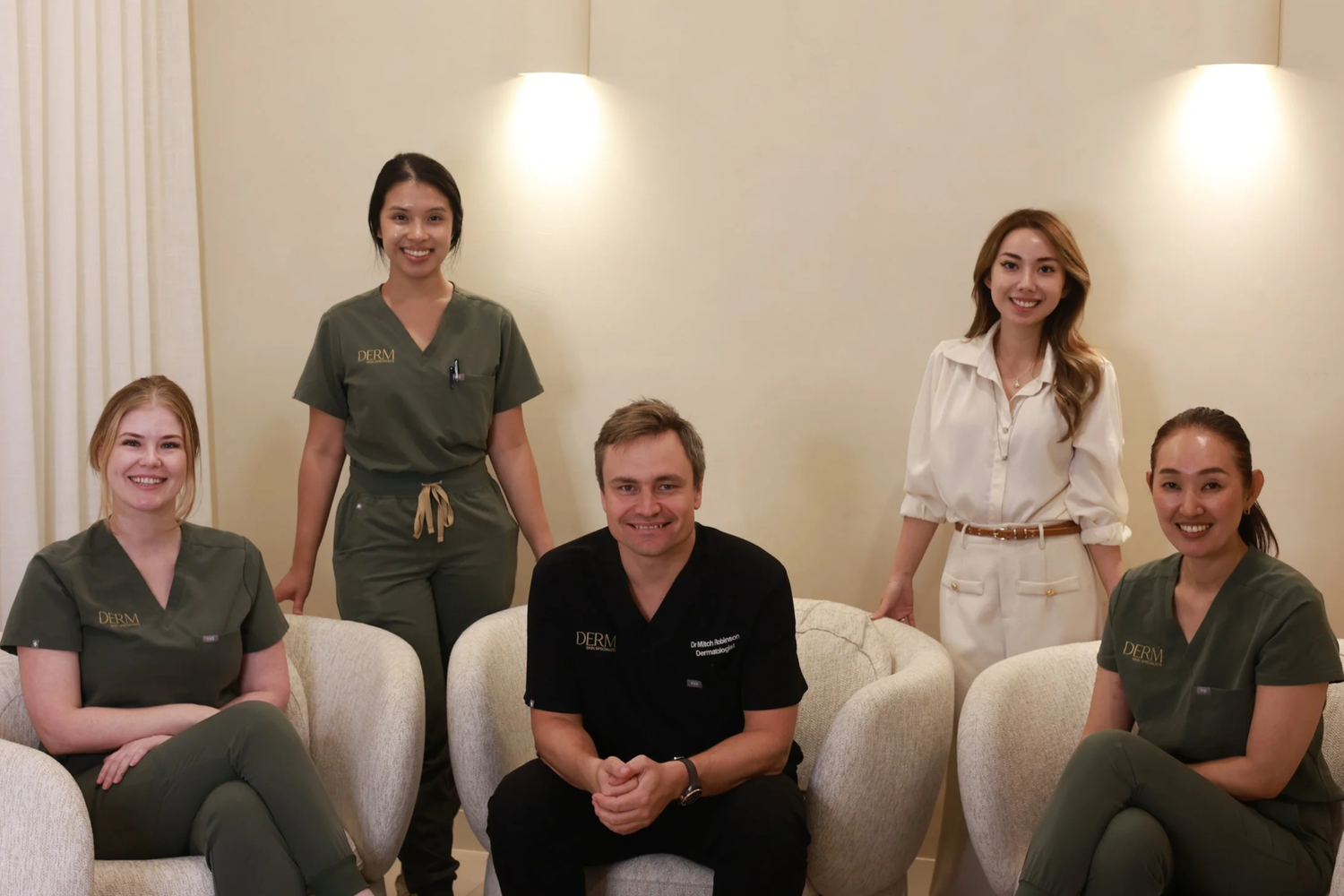
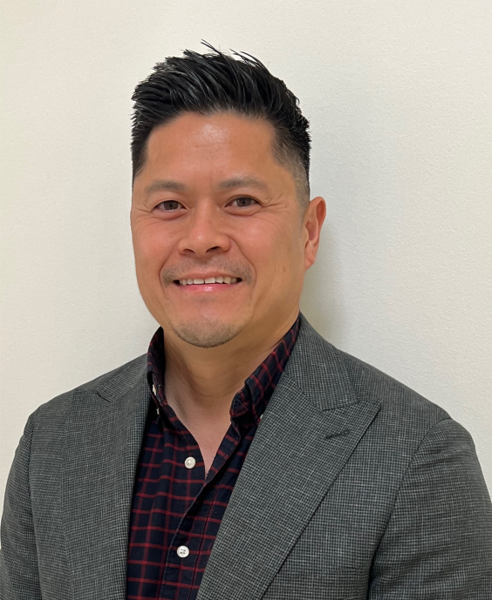
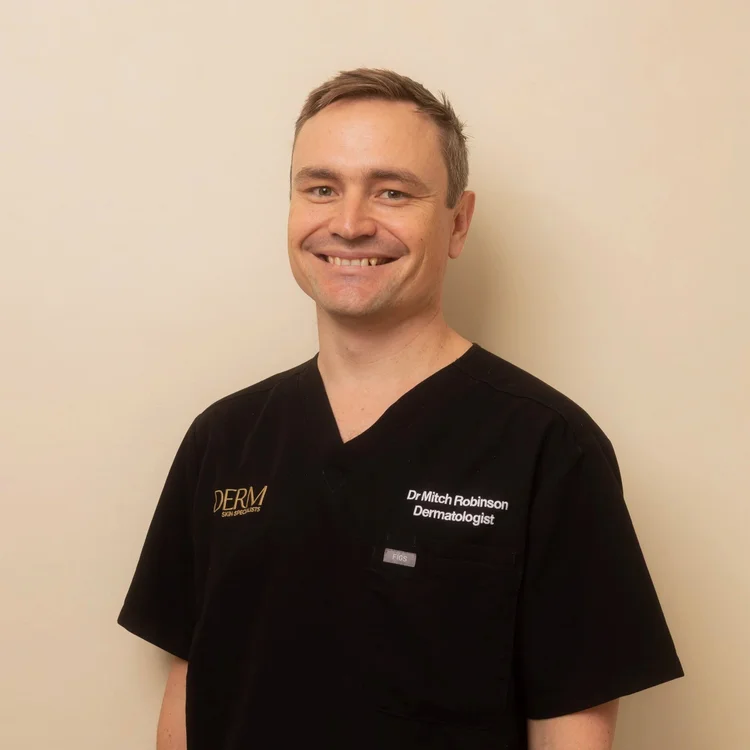
All three of our dermatologists are Fellows of the Australasian College of Dermatologists (FACD). Dr Shao and Dr Yau both list hair and scalp conditions among their special interests. Ask for either when you book.
Mount Gravatt, Brisbane
Hair Loss Dermatologist in Mount Gravatt
DERM Skin Specialists is at 2/1437 Logan Road, Mount Gravatt, about 15 minutes' drive from the Brisbane CBD, with free parking onsite. Patients come for alopecia and hair loss treatment from across Brisbane's southside, including Upper Mount Gravatt, Mansfield, Wishart, Eight Mile Plains and Greenslopes.
Common Questions
Hair Loss: Common Questions
How much hair loss is normal?
Up to about 100 hairs a day, with more on wash days. A sudden increase, a wider part or bald patches are worth checking.
Can stress cause hair loss?
Yes. A major stress, illness or surgery can trigger shedding 2 to 4 months later. It usually settles within about 6 months once the trigger has passed.
Will my hair grow back after telogen effluvium?
Usually, yes, because the follicles aren't damaged. Hair regrows about 1 cm a month, so it takes 6 to 12 months to look fuller.
Is hair loss after having a baby normal?
Yes. Heavy shedding a few months after birth is common and usually settles. If it hasn't by your baby's first birthday, or your part is widening, book a check.
Can low iron cause hair loss?
Low iron stores can cause or worsen shedding, especially with heavy periods or a plant-based diet. A blood test checks this, and iron only helps if you're low.
What blood tests are done for hair loss?
Usually iron stores, thyroid function and a blood count, plus others based on your history, such as hormone tests.
Does a scalp biopsy hurt?
The local anaesthetic stings for a few seconds, then the area is numb. Most people feel only mild tenderness afterwards.
Is alopecia areata contagious?
No. It's an autoimmune condition and can't be caught.
Do I have to keep using treatment for pattern hair loss?
Yes. The benefit usually fades over months if treatment stops, so we plan something you can keep up.
Why is my hair shedding more after starting treatment?
Some treatments cause a short burst of shedding in the first couple of months as resting hairs make way for new growth. Keep going and tell us at your review.
Do I need a referral to see a dermatologist for hair loss?
No referral is needed to book. A valid referral, usually from your GP, is needed for a Medicare rebate on your consultation.
Is hair loss treatment covered by Medicare?
Your consultation attracts a rebate with a valid referral, and many blood tests are covered. Pharmacy products and some prescriptions aren't.
Should I see a trichologist or a dermatologist?
A trichologist can advise on hair care. For a diagnosis, blood tests, a biopsy or prescription treatment, see a specialist dermatologist.
Do you treat men with hair loss?
Yes, including male pattern hair loss, alopecia areata, scalp conditions and beard hair loss. Starting early helps keep the hair you have.
Can menopause cause hair thinning?
Yes. Hormone changes can bring out pattern thinning. A receding hairline with eyebrow loss after menopause should be checked early.
Do laser caps or red light treatments work?
Studies of red light in pattern hair loss have reported improved hair density. We see red light as an add-on to medical treatment, not a replacement.
Can I get a hair transplant?
Some people with stable pattern hair loss are suitable, but not people with alopecia areata or active scarring alopecia. We can refer you for an opinion.
How soon can I get an appointment?
Most new patients are seen within two weeks. Call 07 3487 1414 to check the next appointment with Dr Shao or Dr Yau.
Find Out Why Your Hair Is Thinning
Book a consultation with our dermatologists. We'll look for the cause, explain what treatment can and can't do, and give you a written plan with realistic timeframes and costs before you decide.
Clinical content overseen by Dr Mitchell Robinson, FACD (AHPRA MED0001946771). Updated October 2026. General information only, not medical advice. All procedures carry risks; suitability, recovery and results vary between individuals.